Australia and Singapore pledge to enhance energy cooperation amid Middle East conflict
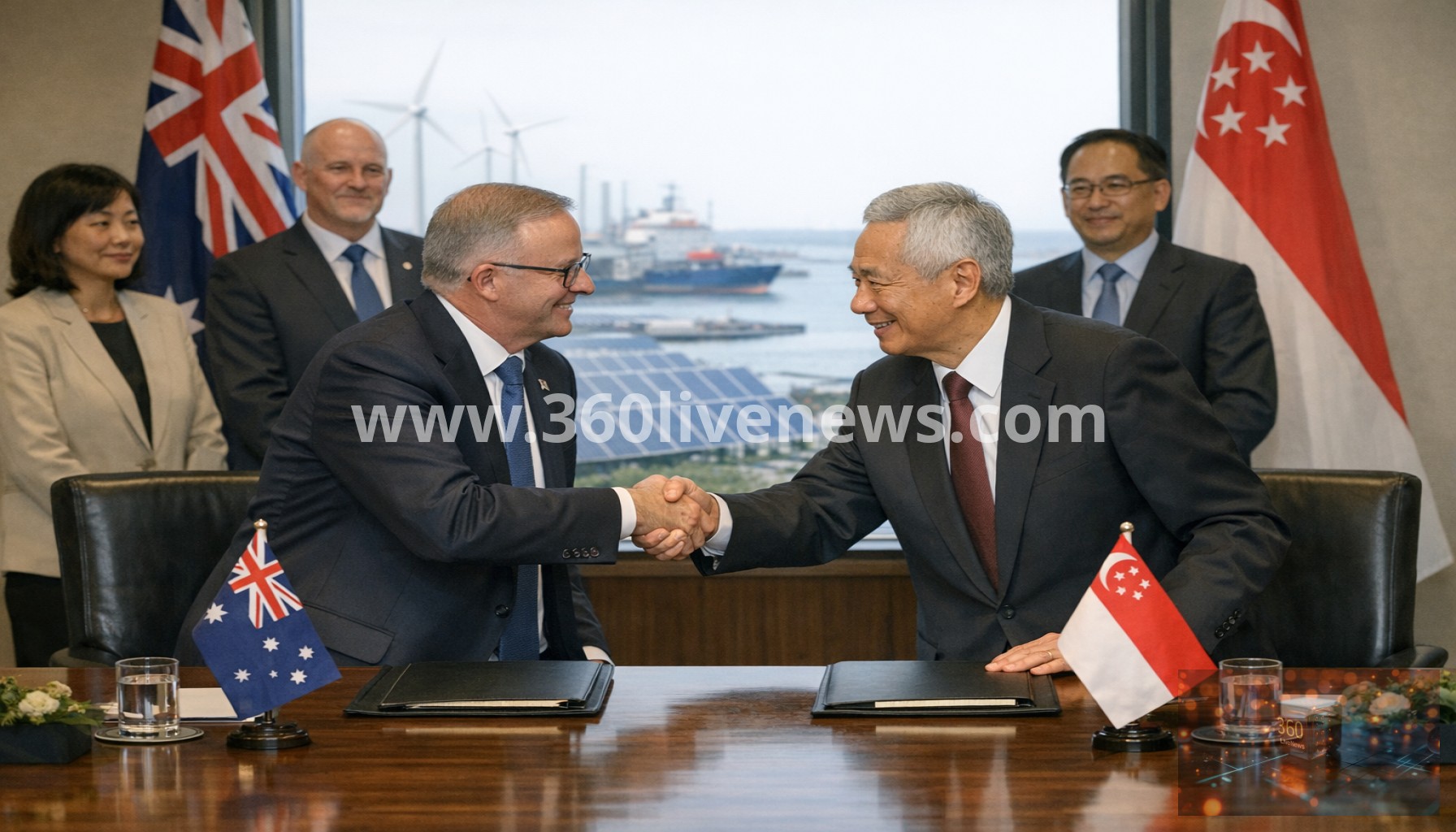
Australia and Singapore have formally pledged to enhance their energy cooperation in light of the ongoing conflict in the Middle East. During a joint press conference in Singapore, Prime Minister Anthony Albanese and Singapore's Prime Minister Lawrence Wong announced that both nations will make "maximum efforts" to meet each other's fuel and gas needs. This agreement is seen as a critical move as Australia looks to secure its energy supplies in a turbulent global landscape.
The joint statement from Albanese and Wong comes amid escalating tensions in the region following a war involving the United States and Israel against Iran. The conflict has raised concerns regarding energy security not only for the Gulf states but also for fuel-dependent nations like Australia and Singapore. The alliance between these two countries is particularly vital as they navigate the complexities of an energy market affected by geopolitical instability.
The bilateral energy arrangement, while encouraging, has been described as not legally binding, signaling the challenges that come with formal commitments in international partnerships. The deal aims to mitigate potential fuel supply disruptions stemming from the ongoing crisis in the Middle East, a region critical for global energy supplies.
In the near future, Prime Minister Albanese is set to visit more countries in the Asia-Pacific region to further bolster Australia’s fuel supply framework. This initiative showcases Australia's proactive approach in securing energy partnerships that ensure resilience against the backdrop of global uncertainties. The recent agreement follows an earlier meeting between the two leaders, who also discussed broader economic cooperation.
Security concerns are not confined to Australia and Singapore; beyond these nations, Gulf states are re-evaluating their security policies in response to the US-Israel's military actions against Iran. These developments have set off alarm bells across the Gulf Cooperation Council (GCC), which comprises Bahrain, Kuwait, Oman, Qatar, Saudi Arabia, and the United Arab Emirates. Many of these nations are attempting to bolster their defenses while negotiating their economic recoveries.
The geopolitical ramifications of the US-Israel conflict with Iran extend beyond regional boundaries. The Gulf countries, fearing further aggression from Tehran, are seeking to diversify their security partnerships, indicating a strategic pivot in the region. With military bases in the Gulf already becoming targets for Iranian retribution, the nations are reinforcing their defensive capacities. Reports indicate that Gulf nations have been successful in intercepting significant missile attacks from Iran, highlighting their military investments and capabilities.
The recent developments around the Strait of Hormuz, a critical waterway for global oil transport, further complicate this landscape. In ceasefire dialogues, Iran has insisted on maintaining its control over this significant maritime passage, raising tensions about the flow of trade for Gulf nations. The necessity for safe passage through the strait cannot be overstated, as it is vital not just for regional economies but for global energy markets.
In light of these developments, the recent energy partnership between Australia and Singapore signals a broader trend of nations seeking to safeguard their energy supply chains amidst a backdrop of military and political instability. Experts suggest that while these partnerships may provide temporary relief, they also highlight the need for long-term solutions to energy security in a rapidly changing geopolitical climate.
This collaboration underscores a shift in the traditional energy dynamics, as countries seek mutual support to navigate the treacherous waters of international relations influenced by armed conflicts. The agreement is expected to be tested starkly in the coming weeks as geopolitical tensions evolve and the realities of fuel supply logistics are put to the test.
The unfolding situation requires vigilance from countries involved in energy production and distribution. As international talks regarding the US-Iran dynamics commence in Islamabad, it will be crucial for stakeholders to monitor the commitments made and the potential impacts on energy supplies and security for both the Gulf states and allied nations like Australia and Singapore.
#Australia #Singapore #MiddleEast #USIran #EnergySecurity #GulfCooperationCouncil #StraitoHormuz #GeopoliticalTensions