Human bones found on Rottnest Island likely to be historic Indigenous remains, prompting police investigation
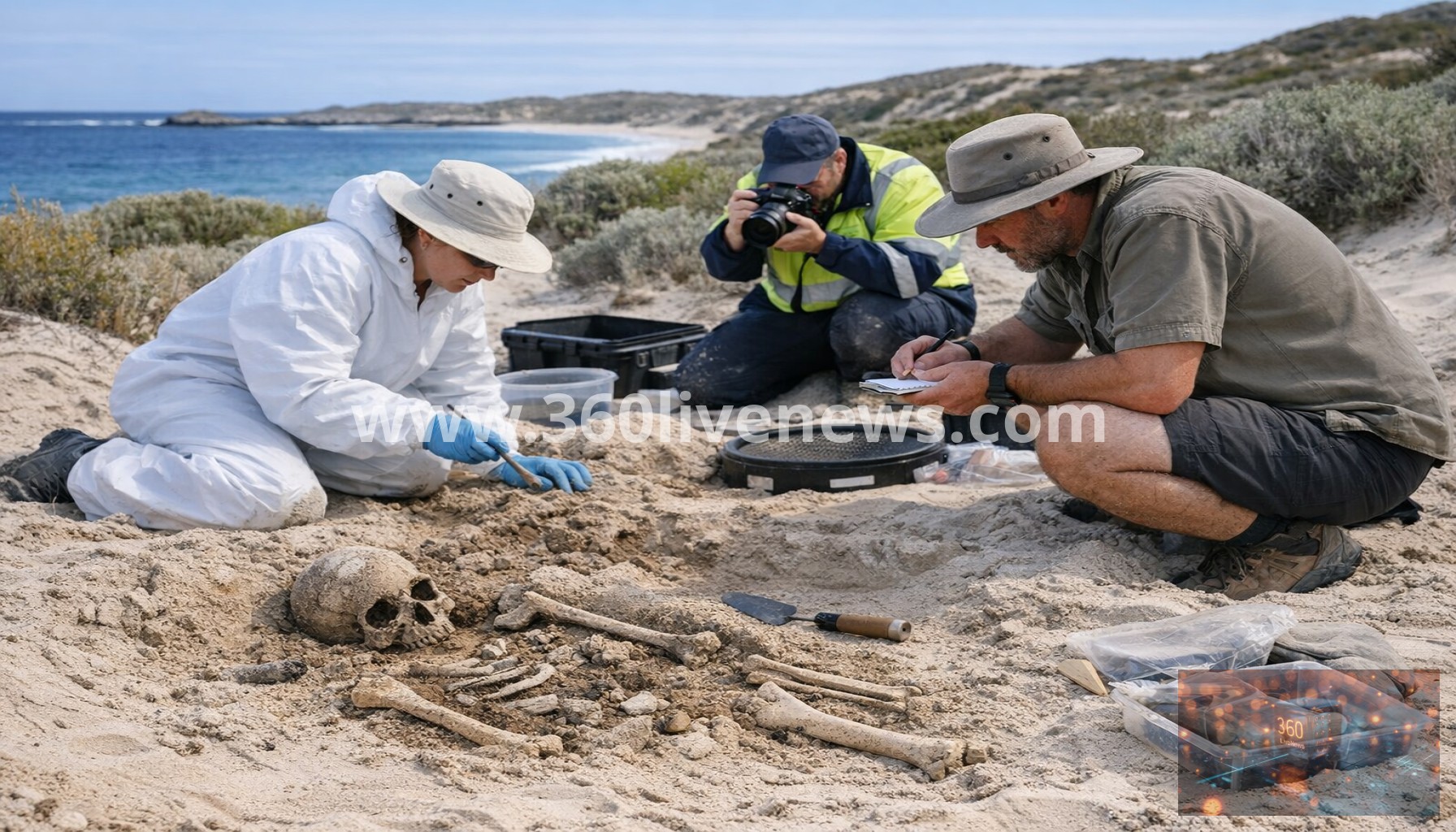
Authorities in Western Australia have confirmed that human bones discovered on Rottnest Island this week are likely to be historic Indigenous remains. The bones were unearthed during construction work near the grounds of the Holy Trinity Catholic Church, prompting a police investigation that began on Wednesday. Local anthropologists are involved in examining the remains, although police have stated there were no suspicious circumstances surrounding their discovery.
Rottnest Island, located approximately 19 kilometres off the coast of Fremantle, is a popular holiday destination known for its pristine white-sand beaches, shipwrecks, and the native quokka population. The island, historically, served as a significant site in terms of Aboriginal culture, with its rich Indigenous heritage and stories being integral to understanding the local environment. However, it also has a darker past, having once been used as a notorious prison.
The revelation of these remains is significant not only in terms of archaeological interest but also for the Indigenous community, as remains like these often carry a deep cultural and spiritual importance. The police have emphasized that their investigation will be thorough and respectful, taking into account the cultural sensitivities involved. In examining the origins of these bones, the involvement of state anthropologists highlights the approach taken by local authorities to ensure the historical integrity of such finds is maintained.
In broader terms, the uncovering of these remains brings to light the ongoing discussions about the treatment of Indigenous heritage sites in Australia. There is a growing recognition of the need to protect such sites and respect the wishes of Indigenous communities concerning their ancestors. This event may further ignite conversations about repatriation and the significance of historical Indigenous sites, particularly in light of Australia’s complex history regarding colonization.
The discovery has not been associated with any current criminal investigations or legal issues, as confirmed by police statements. This lack of suspicious activity may provide a sense of relief for both the local community and the authorities, allowing the focus to shift to respectful scientific study and historical recognition rather than criminal procedure.
This incident reflects a broader issue concerning Indigenous remains across Australia. Similar cases have gained attention over the years, leading to debates on how these remains are handled and the importance of engaging Indigenous communities in the conversations about their ancestors. Previous incidents have highlighted a sometimes strained relationship between Indigenous concerns and institutional practices regarding archaeological finds, making this discovery a timely and relevant issue for discussions on cultural heritage and preservation.
The need for systematic policies to address the treatment and study of Indigenous remains is increasingly recognized as crucial. With calls from various Indigenous groups for respectful treatment and proper acknowledgment of heritage, the response from authorities to this incident will undoubtedly be watched closely. Stakeholders from various sectors, including government bodies, Indigenous groups, and cultural institutions, will likely have a role in shaping how such finds are approached in the future.
As this investigation continues and the context around these remains is further explored, it serves as a pertinent reminder of the need for sensitivity in handling cultural heritage matters. Rottnest Island will remain an important focal point in this respect, as it transitions from a place of historical incarceration to one of cultural significance respecting its Indigenous past. In this light, recreating narratives around such sites may offer pathways toward reconciliation and a deeper understanding of Australia’s history.
The implications of this discovery extend beyond local significance, resonating with national conversations on Indigenous rights and histories. Awareness of Indigenous issues has amplified in recent years, as movements and organizations advocate for the recognition of rights, land claims, and the preservation of cultural heritage. As uncovering remains on Rottnest Island unfolds, how authorities engage with these Indigenous narratives will be crucial in framing Australia’s ongoing journey toward reconciliation.
#RottnestIsland #WesternAustralia #IndigenousHeritage #HolyTrinityCatholicChurch #quokka #anthropology #CulturalReconciliation #archaeology