Gaza Strip experiences ongoing instability six months after ceasefire agreement amid sporadic skirmishes and insufficient aid
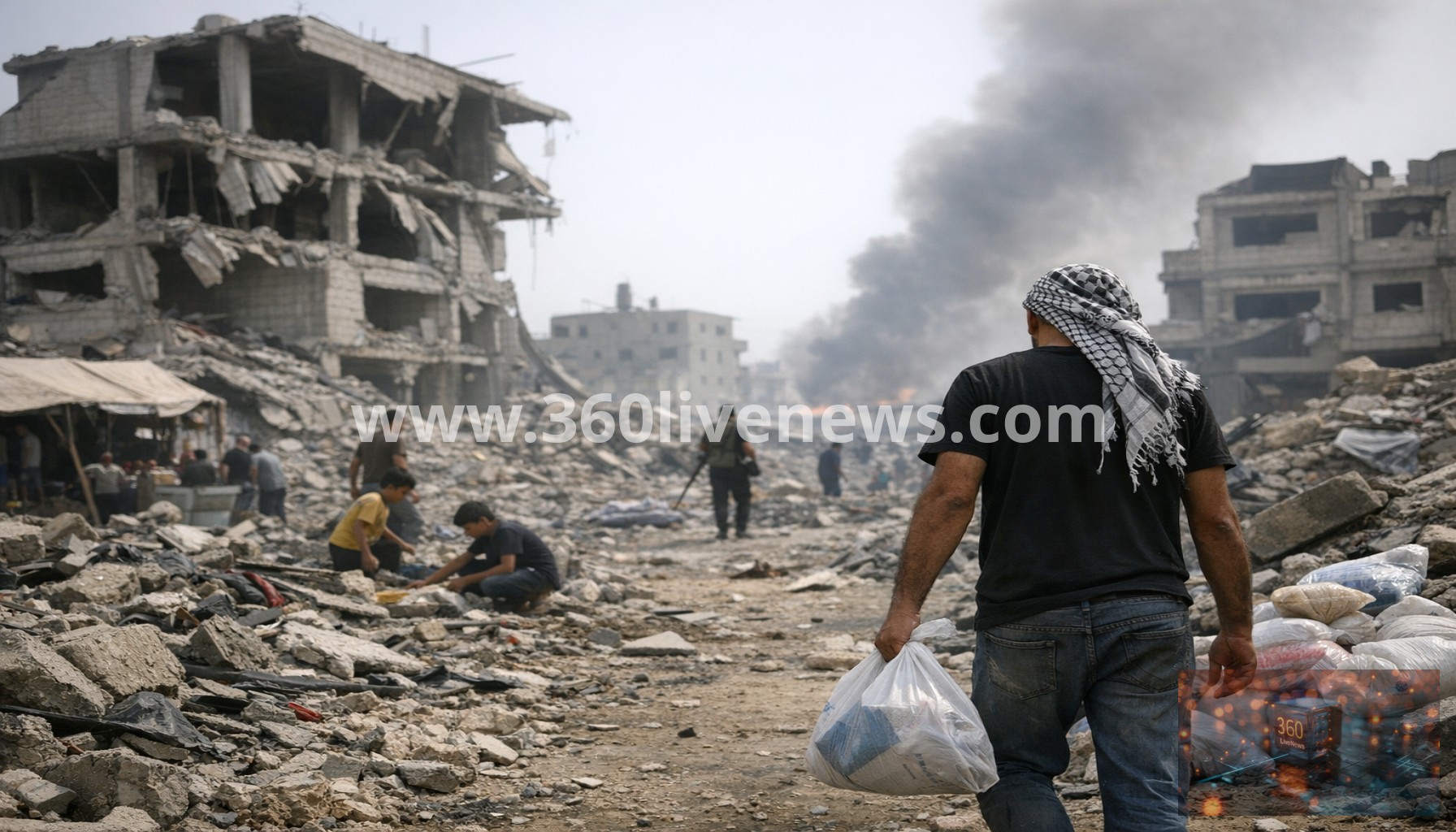
Six months after the ceasefire agreement signed on October 10, a duality of hope and despair characterizes the situation in the Gaza Strip. This interval has been marked by sporadic skirmishes, insufficient aid, and rising tension within the region. Despite the initial promise of the ceasefire to halt a protracted conflict, conditions for the Palestinian civilian population have not significantly improved, perpetuating a cycle of instability and insecurity.
The ceasefire, brokered internationally in the wake of two years of devastating conflict, was anticipated to lay a foundation for recovery and rebuilding efforts in Gaza. The conflict had resulted in an estimated 72,000 Palestinian deaths and countless thousands of injuries, intensifying the humanitarian crisis. The fundamental terms of the ceasefire included an immediate cessation of military operations from both sides and provisions for the gradual withdrawal of Israeli forces from densely populated areas, reducing direct interactions with civilians.
In the context of this fragile ceasefire, the humanitarian situation remains dire. Humanitarian agencies report that despite the agreement, aid efforts have not met the overwhelming needs of the populace. The Rafah crossing, a critical entry point for supplies and a conduit for aid, was supposed to facilitate a regular influx of food, medicine, and fuel. However, logistical challenges continue to hinder the effective delivery of aid, leading to warnings from various organizations about the escalating plight of those living in the enclave.
Moreover, incidents of violence have persisted, with periodic clashes between armed factions and Israeli forces. Reports indicate that both sides engage in retaliatory measures, sparking fears that the tenuous peace may unravel completely. Observers highlight that with longstanding grievances simmering beneath the surface, the potential for renewed conflict looms large. Various international stakeholders, including the United Nations, have reiterated calls for sustained diplomatic engagement to address the root causes of the conflict, which include territorial disputes and humanitarian access.
The geopolitical ramifications of the ongoing situation are profound. The Gaza conflict has implications that extend beyond its borders. Regional stability hangs in the balance, compounded by influences from neighboring countries and global powers observing the situation closely. Analysts argue that without a concerted effort to address Palestinian grievances, the risk of broader regional volatility increases. Historical tensions between Israel and its neighbors elevate the stakes, as external actors may exploit any resurgence of violence for their strategic interests.
Experts suggest that the international community needs to leverage diplomatic avenues to foster a more permanent peace framework that ensures both security for Israel and the rights of the Palestinian people. Previous attempts at peace, while ambitious, have often faltered in isolationist approaches that neglected the fundamental dynamics of the conflict. Achieving a balance will require acknowledgment of grievances, sustained communication, and possibly the re-evaluation of existing policies that have historically approached the conflict in piecemeal fashion.
In terms of immediate international responses, various humanitarian organizations continue to call for increased funding and support aimed at alleviating the suffering of civilians in Gaza. From displaced families struggling to meet their daily needs to children suffering from chronic health issues due to a lack of medical supplies, the calls for action are urgent. However, translating these appeals into actionable support continues to pose significant challenges amid ongoing hostilities.
The dire humanitarian situation in Gaza remains an urgent concern on the international agenda. Advocacy groups urge the global community to not only provide immediate assistance but to engage in broader discussions about sustainable development goals for the region. Addressing infrastructure damage and economic recovery in Gaza post-conflict is a critical aspect of ensuring that peace can take hold and thrive. Only through a multifaceted approach that integrates humanitarian, economic, and political strategies can hope be restored for the war-torn enclave.
In conclusion, as the Gaza ceasefire enters its seventh month amidst continued tensions, the call for effective diplomatic engagement grows louder. Questions about the viability of the ceasefire, the ongoing humanitarian crises, and the urgent need for conflict resolution strategies pose a complex set of challenges for all parties involved. The situation remains dynamic, and without sustained action, both the prospects for peace and the conditions of daily life for Gazans are likely to remain precarious.
#Gaza Palestinian_Crisis">#PalestinianCrisis Ceasefire_Agreement">#CeasefireAgreement Humanitarian_Aid">#HumanitarianAid Middle_East_Conflict">#MiddleEastConflict Rafah_Crossing">#RafahCrossing Israel_Hamas_Conflict">#IsraelHamasConflict UN">#UN