Fuel price protests disrupt transportation and supply chains across Ireland, blocking major routes and causing traffic delays
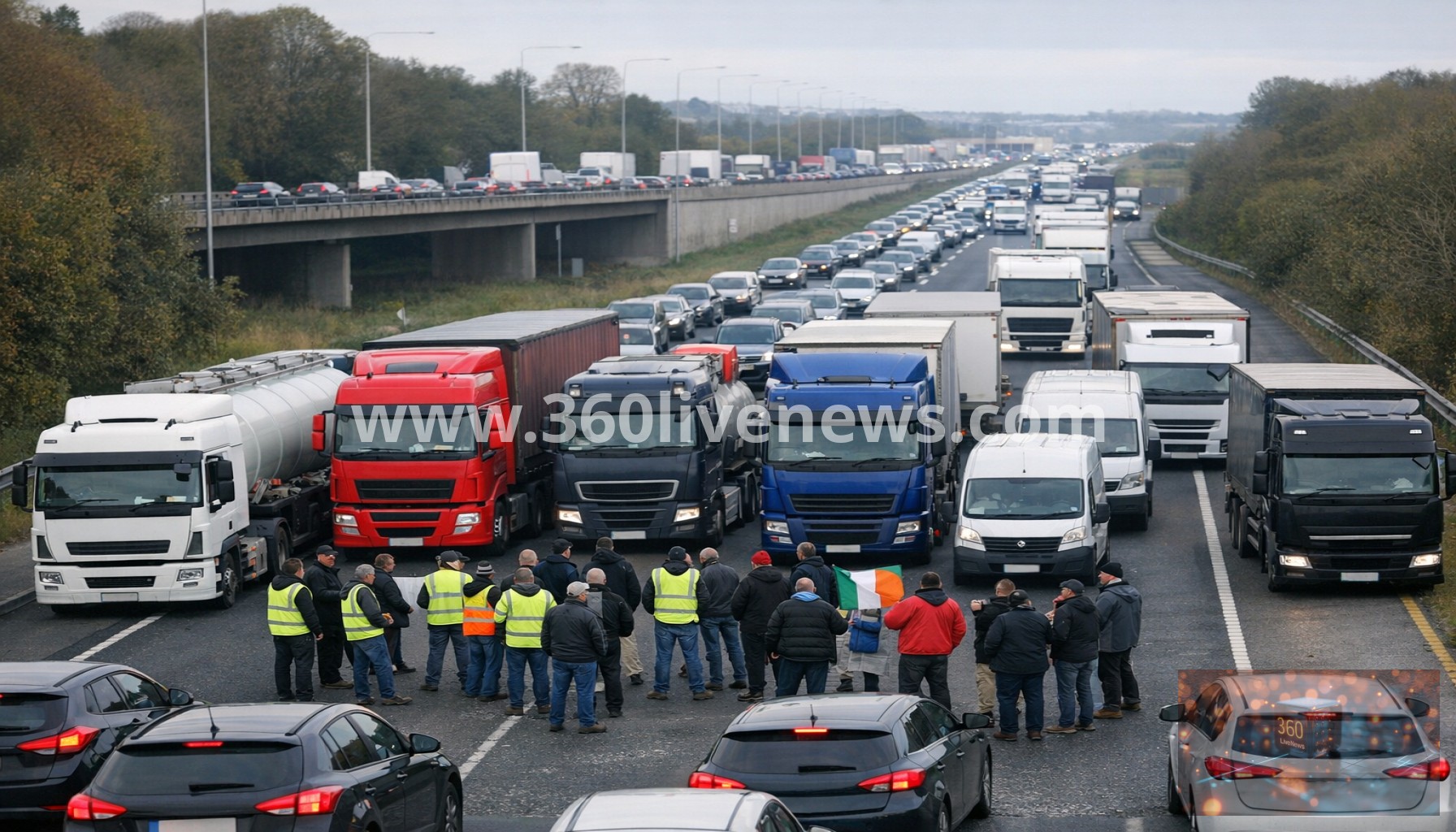
Fuel price protests are escalating across Ireland, significantly disrupting transportation and supply chains, particularly around major urban hubs. Demonstrators have taken to the streets since Tuesday, blocking critical routes including the busiest motorway near Dublin Airport, leading to severe traffic delays and disruptions. This wave of protests, driven by concerns among hauliers and agricultural workers about rising fuel costs, has raised alarms about potential shortages of essential goods, including medicines.
The scale of the protests has quickly increased over the past several days, with protestors targeting fuel depots and key motorways, which has resulted in widespread blockages. Reports indicate that over 100 petrol stations have run dry as a result of the ongoing actions, leading to frustration among the public and raising questions about the sustainability of the current supply chain. The disruption is particularly concerning for frontline workers who depend on fuel for their livelihood and for urgent deliveries in healthcare.
In the capital, Dublin, the fallout from these protests has caused significant travel chaos. Long queues have formed at remaining petrol stations, with many commuters struggling to find fuel. The situation has been exacerbated by concerns that vital services could be adversely impacted, potentially affecting everything from public transport to emergency services. With essential supplies dwindling, many are urging the government to engage in immediate dialogue with protest organizers to resolve the tensions.
Authorities are responding with increased police presence to manage the protests and ensure that public safety is maintained. The protests have gained momentum in a context where rising global fuel prices disproportionately impact the agricultural community and hauliers, both crucial to Ireland's economy. This action echoes other recent movements across Europe where rising living costs have prompted similar demonstrations aimed at government action and policy changes.
The ongoing protests are not isolated incidents; they reflect a broader backdrop of economic strain felt across many sectors of society. As fuel prices continue to rise, public sentiment appears to be prioritizing economic stability and support from governmental bodies. In previous incidents, such movements have often resulted in significant policy discussions and shifts, compelling governments to re-examine their strategies and approaches to managing energy pricing and transportation infrastructure.
Furthermore, the ongoing nature of these protests raises broader geopolitical concerns as they align with emerging patterns of civil unrest within the region. These protests, rooted in economic grievances, may also influence political dynamics, with political parties needing to address the issue of rising fuel prices head-on as they approach upcoming elections. Issues of energy security and sustainability are expected to dominate discussions not just in Ireland but continue to resonate in neighboring regions where similar economic pressures are felt.
As for immediate next steps, it remains unclear how long the protests will continue or whether a resolution will be reached soon. Transportation companies are urged to find alternative routes and methods to mitigate the impact of road blockages to resume supplies of essential goods and services. There is a pressing need for government intervention and negotiation as the situation develops, particularly as critical deadlines for supply chains loom closer in the face of ongoing disruptions.
This unfolding situation is significant not only for those directly involved in the protests but also for policymakers who are tasked with navigating the balance between public demands and economic realities. Government agencies will need to assess the long-term implications of these protests and decide on viable paths to support affected industries while addressing the populace's growing frustrations over fuel prices.
#FuelProtests #Ireland #Dublin #SupplyChain #Transport #ExternalSupplies #GovernmentAction #EconomicTensions