Protests over rising fuel prices enter fourth day in Ireland and Norway, causing major disruptions and fuel shortages
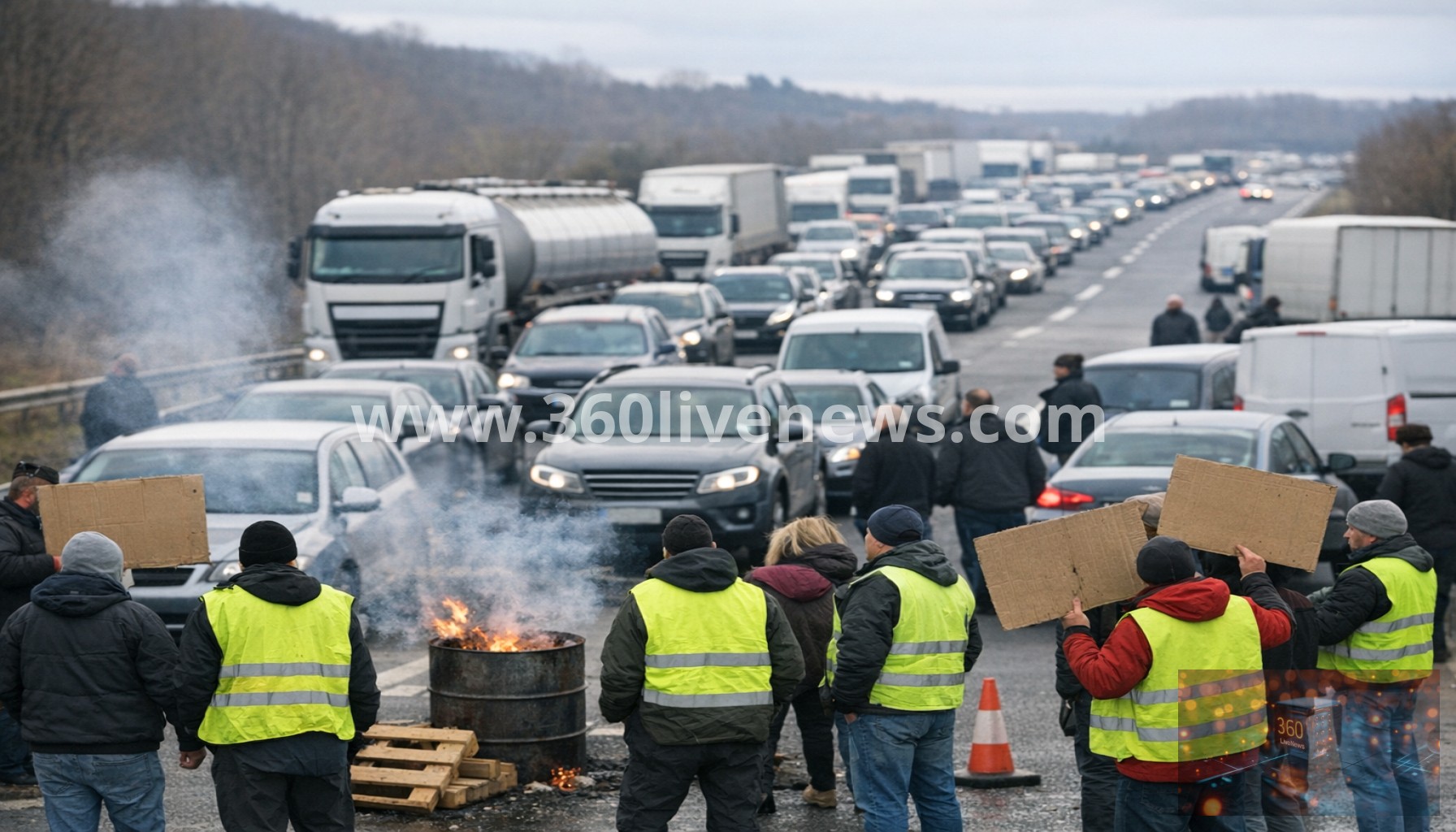
Protests over rising fuel prices have intensified in Ireland, entering their fourth consecutive day, while also spilling over into Norway, reflecting the widespread unrest triggered by escalating costs linked to ongoing conflicts in the Middle East. Hauliers, farmers, and other groups have mobilized to block major motorways, leading to significant disruptions particularly in the Irish capital, Dublin, where streets came to a standstill.
In Ireland, the ongoing protests have resulted in severe fuel shortages and have disrupted travel plans nationwide. As demonstrators continued to obstruct key thoroughfares, the government responded by putting the military on standby to assist law enforcement in removing blockades. Police from the state force, An Garda Síochána, have issued warnings to protesters that they must disperse or face potential arrest. This has led to a firm stance from activists who have threatened to prolong the disruptions for weeks if their demands are not met.
The protests have raised alarms among government officials, particularly given their implications for essential supplies within the country. An Garda Síochána has stated that these demonstrations risk compromising access to critical resources including food, fuel, clean water, and animal feed, describing the situation as “not tolerable and against the law.” Government leaders have accused the protesters of holding the nation to “ransom,” escalating tensions between citizens and authorities.
In a ripple effect, similar protests have begun occurring in Norway, where lorry drivers participating in what has been termed the “diesel roar” protest have mobilized and converged on the capital. The sudden wave of protests signifies a concerning trend of social unrest over rising fuel prices, exacerbated by broader economic pressures stemming from international conflicts.
The fuel price hikes that have ignited this unrest are attributed to several factors, including increased demand following the easing of pandemic restrictions, disruptions in supply chains, and geopolitical tensions that have emerged in the Middle East. The conflict has not only affected oil supply stability but also contributed to soaring prices globally. This has positioned both Ireland and Norway in precarious positions concerning fuel accessibility and economic stability.
The history of Ireland's transport sector reflects ongoing struggles over fuel costs that have sporadically led to protests in the past. However, this current wave is notably extensive, indicating deeper public frustration over economic management and transparency regarding pricing. In Norway, the emergence of protests from lorry drivers further illustrates a mounting crisis sparked by similar socioeconomic pressures that are prevailing across multiple nations.
The implications of these protests extend beyond immediate disruptions, as they reflect broader socio-economic unrest stemming from the rising cost of living as well. Public sentiment regarding government handling of fuel prices and economic austerity measures has reached an inflection point, prompting discussions on long-term energy strategies and potential policy shifts regarding taxation and subsidization in energy sectors.
As the protests continue, it is essential for governments to address the root causes of unrest, emphasizing dialogue with citizens, and examining policy frameworks that could relieve the financial burden of rising fuel prices. Experts suggest that any substantial governmental response will need to consider alternative energy resources and sustainable approaches to alleviating pressure on transport services to prevent further escalation of public dissent.
The situation remains fluid as authorities and protest leaders navigate ongoing discussions. The potential for further protests looms large, especially if economic conditions do not improve. The coming days will be crucial to determine whether the current unrest can be resolved through negotiations or if it will escalate further, leading to deeper social and political rifts.
#Ireland #Norway #FuelPrices #Protests #AnGardaSíochána #DieselRoar Middle East conflict">#MiddleEastConflict supply chain disruptions">#SupplyChainDisruptions