US Court of International Trade hears case on former President Trump's import tariffs following Supreme Court ruling
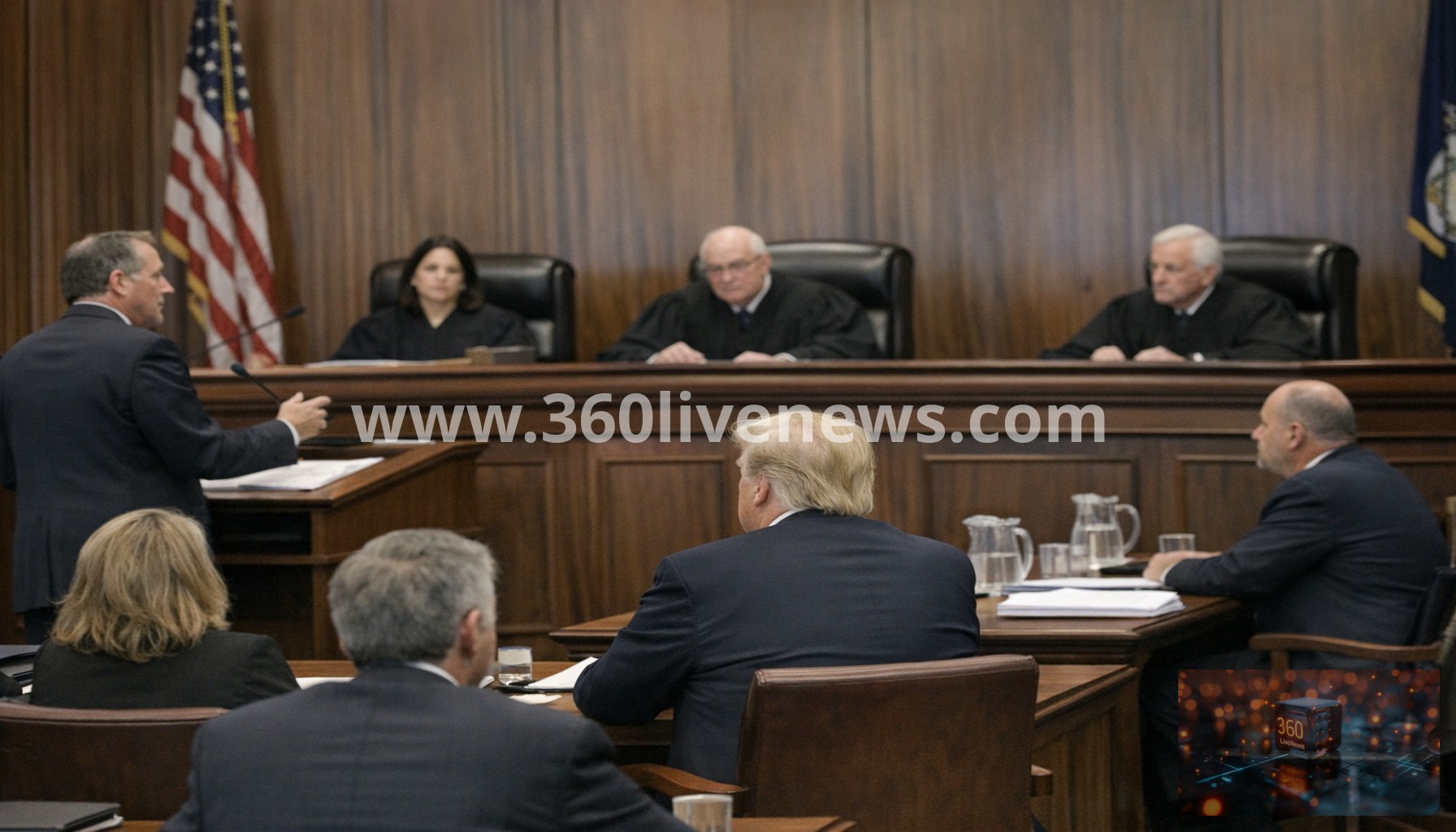
The scrutiny of former President Donald Trump’s import tariffs has intensified, as a three-judge panel of the US Court of International Trade recently began hearing a critical case aimed at overturning temporary tariffs implemented after a Supreme Court ruling invalidated his previous, more extensive tariffs. This moment marks a significant chapter in the ongoing legal battle over Trump’s controversial trade policies, which have profoundly affected international trade relations and domestic economics.
The tariffs in question, set at 10 percent on global imports, went into effect on February 24. A coalition comprising 24 predominantly Democratic-led states and two small businesses is contesting these tariffs, arguing they contradict the Supreme Court's decision that curtailed earlier tariffs imposed by Trump. They contend that the new measures unjustly bypass the legal framework established by the court and claim they will have detrimental effects on local economies.
The context of this legal challenge is rooted in the broader economic strategy employed by Trump, which included implementing wide-ranging tariffs as a mechanism to protect American industries from foreign competition. This approach not only sparked a trade war with major economies but has also been subject to significant legal disputes since its inception.
The Supreme Court previously ruled against several of Trump's tariff measures, highlighting concerns over their legality and the rationale behind their imposition. This led to the development of the newer, temporary tariffs, which critics argue represent an attempt by Trump to circumvent judicial constraints. Legal experts suggest that this ongoing case could set crucial precedents regarding the extent of executive authority in imposing trade tariffs.
In response to the current court proceedings, the trade environment has become increasingly polarized, with various stakeholders expressing differing views on the potential outcomes. Business leaders, especially from sectors impacted by import tariffs, are particularly vocal in their opposition, fearing that these measures might escalate operational costs and lead to higher consumer prices.
The stakes are further heightened by the ongoing economic impact of the tariffs on both domestic and international markets. Economists project that reinstating higher tariffs could exacerbate supply chain issues already strained by the COVID-19 pandemic. Businesses reliant on foreign goods have argued that the resultant inflation could deter economic recovery and competitiveness in a post-pandemic context.
The ideological battle within the US regarding trade policies is vividly illustrated by this case. While Trump’s supporters argue that tariffs are essential for revitalizing American manufacturing jobs and rectifying trade imbalances with countries like China, detractors cite historical evidence of the negative repercussions of such protectionist measures. The current debate is emblematic of broader tensions in US economic policy concerning globalization and domestic resilience.
As the case unfolds, implications extend beyond economic considerations. It taps into the heart of political discourse regarding Trump's legacy, the authority of his administration, and the intricate relationship between the judiciary and executive powers in determining trade policy. This legal review is expected not only to affect present tariffs but could also reshape the dialogue around trade regulation in the future.
Additionally, the two small businesses that have joined the suit represent a critical voice in this legal challenge. They emphasize how the tariffs could undermine local entrepreneurship and lead to job losses, adding a narrative of real human impact to the legal arguments. The case thus encapsulates a clash of interests between large corporations that may benefit from protective tariffs and small business owners operating on thin margins.
The outcomes of this trial are anticipated to significantly influence U.S. trade policy moving forward. As this judicial review progresses, observers will closely monitor how the court reconciles the competing interests of state actors, small businesses, and the overarching principles of fair trade. The ruling will likely resonate within the broader discourse of economic policymaking during a time when global dynamics continue to evolve.
#TradeWar #Tariffs #SupremeCourt #TrumpAdministration #USCourtOfInternationalTrade Economics">#Economics #LegalChallenges #ImportTaxes