China and Russia express support for Cuba amid increasing U.S. pressures
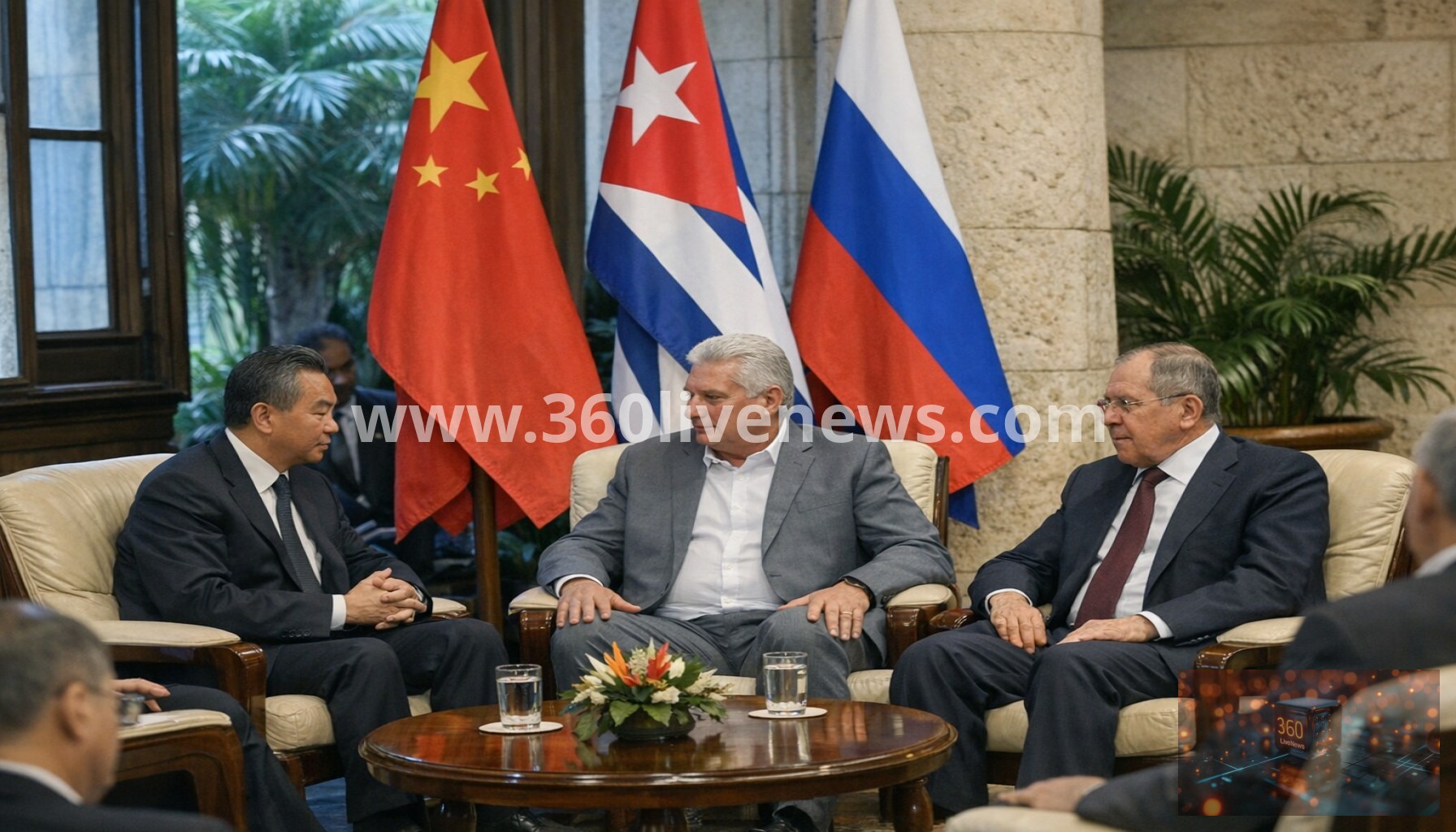
In a significant diplomatic maneuver, both China and Russia have publicly expressed their unwavering support for Cuba's government, amid escalating pressures from the United States. This show of backing comes on the heels of a recent visit by Russian Deputy Foreign Minister Sergei Ryabkov to Havana, where he met with Cuban President Miguel Diaz-Canel. During this visit, Ryabkov reaffirmed Moscow's commitment to assisting Cuba, highlighting the deepening relationship between the two nations amid international scrutiny.
The Chinese government has also indicated its readiness to bolster diplomatic support for Cuba. Foreign Ministry spokesperson Mao Ning stated that "China is willing to work with the international community to firmly support Cuba in safeguarding its national sovereignty and security, and opposing external interference." This statement follows a series of US-led sanctions and blockades against Cuba, which have been a source of contention between Washington and Havana for several decades. The Chinese government has called for an end to these sanctions, urging the US to heed "the voices of justice" and cease its coercive measures against the island nation.
In the backdrop of this developing situation lies a long history of US-Cuba relations, marred by conflict and hostility since the revolution that brought Fidel Castro to power in the 1950s. The US has maintained an economic embargo against Cuba for over six decades, a policy that both Russia and China now vehemently oppose. The backdrop of US congressional visits to Cuba has only fueled tensions, with lawmakers advocating for more stringent measures against the island's ruling government.
The timing of these developments is crucial. The geopolitical landscape is shifting, with Russia and China positioning themselves as defenders of Cuba's sovereignty at a time when US-Cuba relations have reached another low. This partnership reflects a broader strategic alignment between China, Russia, and various nations facing US sanctions and diplomatic isolation. The ongoing rhetoric from Beijing underscores an increasing commitment to supporting regimes that challenge US influence in the Americas and beyond.
An analysis of this situation indicates that there are multiple layers of complexity. Economically, Cuba's dependence on external support has intensified, particularly as domestic challenges, such as shortages of food and medical supplies, weigh heavily on the population. The international sanctions have exacerbated these issues, pushing Cuba further into dependence on allies like Russia and China, which are willing to provide both political and economic backing.
Security concerns also play a vital role in this evolving scenario. Cuba's longstanding relationship with Russia dates back to the Cold War, serving as a significant outpost for Soviet interests in the Western Hemisphere. The renewal of close ties could potentially enable military collaboration, creating a complex security dynamic in the region. It also signals to the US that its influence in the area is being challenged at multiple levels, geographically and strategically.
Moreover, the implications of this support from China and Russia may extend beyond immediate political ramifications. For example, it could embolden other nations similarly caught in the crosshairs of US foreign policy, potentially leading to an alignment of countries willing to defy US sanctions. Such a shift might influence international discourse around sovereignty, intervention, and the role of great power competition in regional conflicts.
As the situation unfolds, the international community will be keenly observing how the US responds to this show of solidarity from China and Russia. The potential for a new diplomatic front is emerging, one where traditional alliances are tested, and the balance of power in the Americas is increasingly contested. Enhanced cooperation between Cuba, China, and Russia might also spur additional aid and development projects aimed at diminishing Cuba's dependence on US markets and support systems.
In conclusion, the collaborative efforts by China and Russia to support Cuba resonate through various geopolitical dimensions. Their stance not only illustrates their commitment to opposing US sanctions but also sheds light on the broader patterns of international relations, marked by strategic alliances that challenge existing power dynamics. As these developments progress, it is crucial to understand the potential ramifications for regional stability and international cooperation in addressing the challenges posed by Cold War-era policies in modern geopolitics.
#Cuba #USSanctions #China #Russia diplomacy">#diplomacy #foreignpolicy #MiguelDiazCanel #SergeiRyabkov #internationalrelations #sovereignty #USGovernment blockade">#blockade