U.S. and Iran peace negotiations enter critical phase in Islamabad amid tensions over ceasefire violations and allegations of bad faith
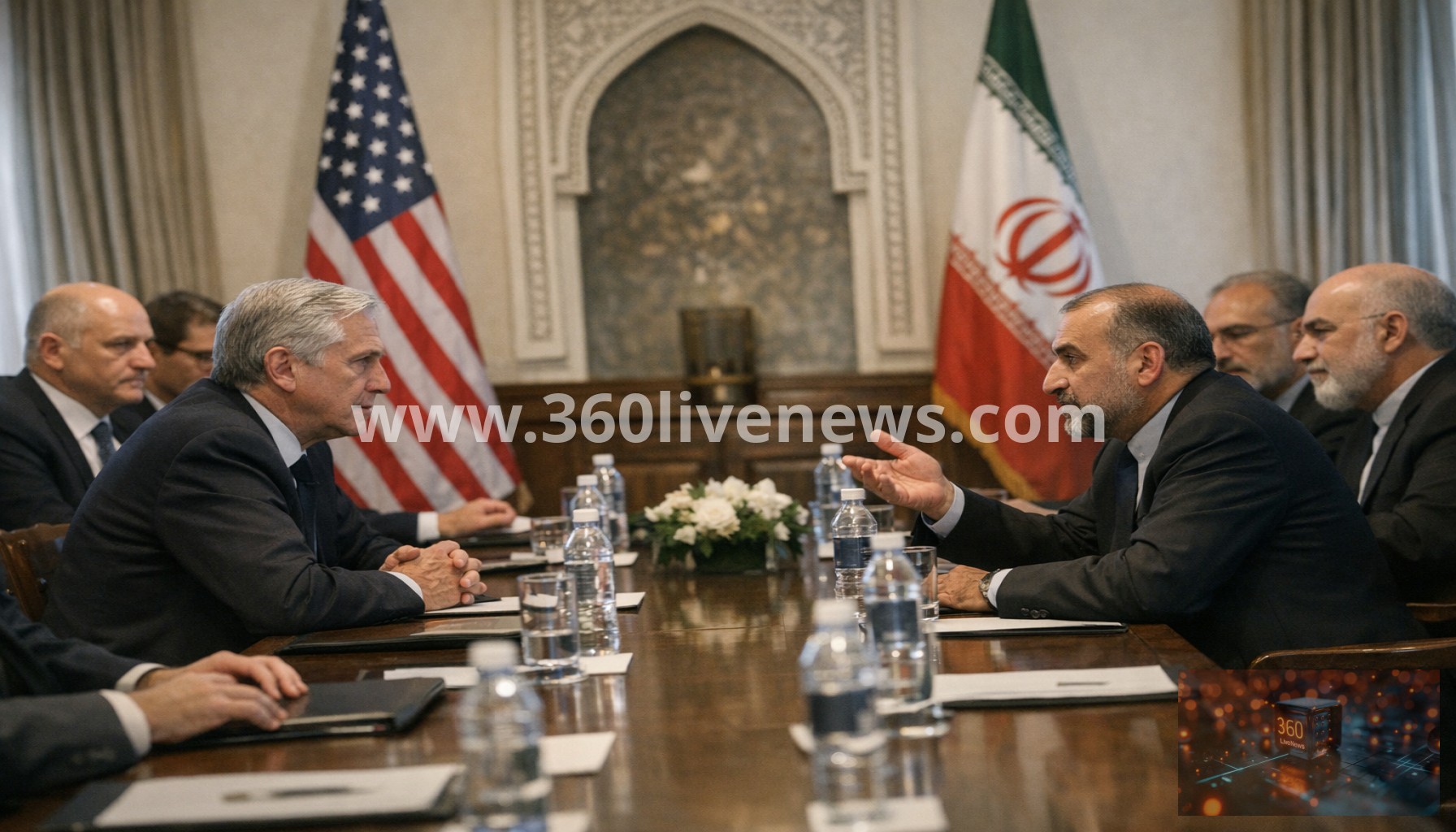
The ongoing peace negotiations between the United States and Iran have now entered a critical phase in Islamabad, Pakistan. As both delegations arrive in the capital, tensions surrounding allegations of bad faith and ceasefire violations loom large, marking a challenging backdrop to these high-stakes discussions. The U.S. and Iranian teams are poised to engage in talks that aim to address longstanding issues, including mutual distrust and regional security concerns.
On-site reports confirm that the Iranian delegation, led by senior officials such as Parliament Speaker Mohammad Bagher Ghalibaf and Foreign Minister Abbas Araghchi, has arrived safely in Islamabad. Meeting in an atmosphere made tense by recent accusations, the talks represent a significant attempt to mend fences between two nations that have been at odds for years.
In anticipation of the negotiations, Islamabad has ramped up security measures, deploying more than 10,000 personnel from military and police forces throughout the city. This massive security operation highlights the sensitivity of the talks, which represent a potential turning point in U.S.-Iran relations. Local media, including Al Jazeera, have reported on the fortified presence of law enforcement and military patrolling strategic points in the capital to prevent any disruptions.
The talks in Islamabad are emblematic of more extensive negotiations that have been underway for months but have recently faced complications. Both Washington and Tehran have expressed accusations against each other concerning violations of previous agreements and lack of commitment to ceasefire conditions. Such allegations can impede negotiations, making the current talks even more consequential.
The significance of these talks is underscored by their timing and context. The U.S. and Iran have a complicated relationship marked by decades of animosity, diplomatic breakages, and intermittent conflict. Efforts at establishing constructive dialogue have frequently been hindered by events such as the U.S. withdrawal from the Iran nuclear agreement in 2018 and ongoing regional tensions related to proxy conflicts in the Middle East.
Should progress be made in Islamabad, it would not only have implications for the bilateral relationship but could also influence broader regional dynamics. Iran's role in the Middle East, particularly in countries such as Iraq and Syria, remains a contentious issue for U.S. foreign policy. Moreover, discussions may touch on subjects such as security partnerships in the region and the impact of Iran's position on the global stage.
Experts observing the situation suggest that the Islamabad talks could serve as a litmus test for future engagements between the two countries. This meeting may either pave the way for a more stable diplomatic relationship or exacerbate existing tensions, depending on the results and commitments made by both delegations.
The U.S. delegation comprises experienced diplomats who have navigated these complex relations for years, underscoring the importance of having seasoned negotiators at the table. Their efforts will be key in addressing the pertinent issues at hand, including the difficult question of sanctions and how they figure into a broader peace framework.
The world watches closely as the talks unfold against a backdrop of heightened emotions and strategic maneuvering. The outcome could redefine not just U.S.-Iran relations but also the geopolitical landscape of the Middle East, with the potential to foster greater stability or plunge the region into deeper discord.
#Iran #UnitedStates #Pakistan #Islamabad #PeaceTalks #Diplomacy #Tensions #MiddleEast