Ranger Fred Hunter survives helicopter crash in Kakadu National Park during feral animal control operations
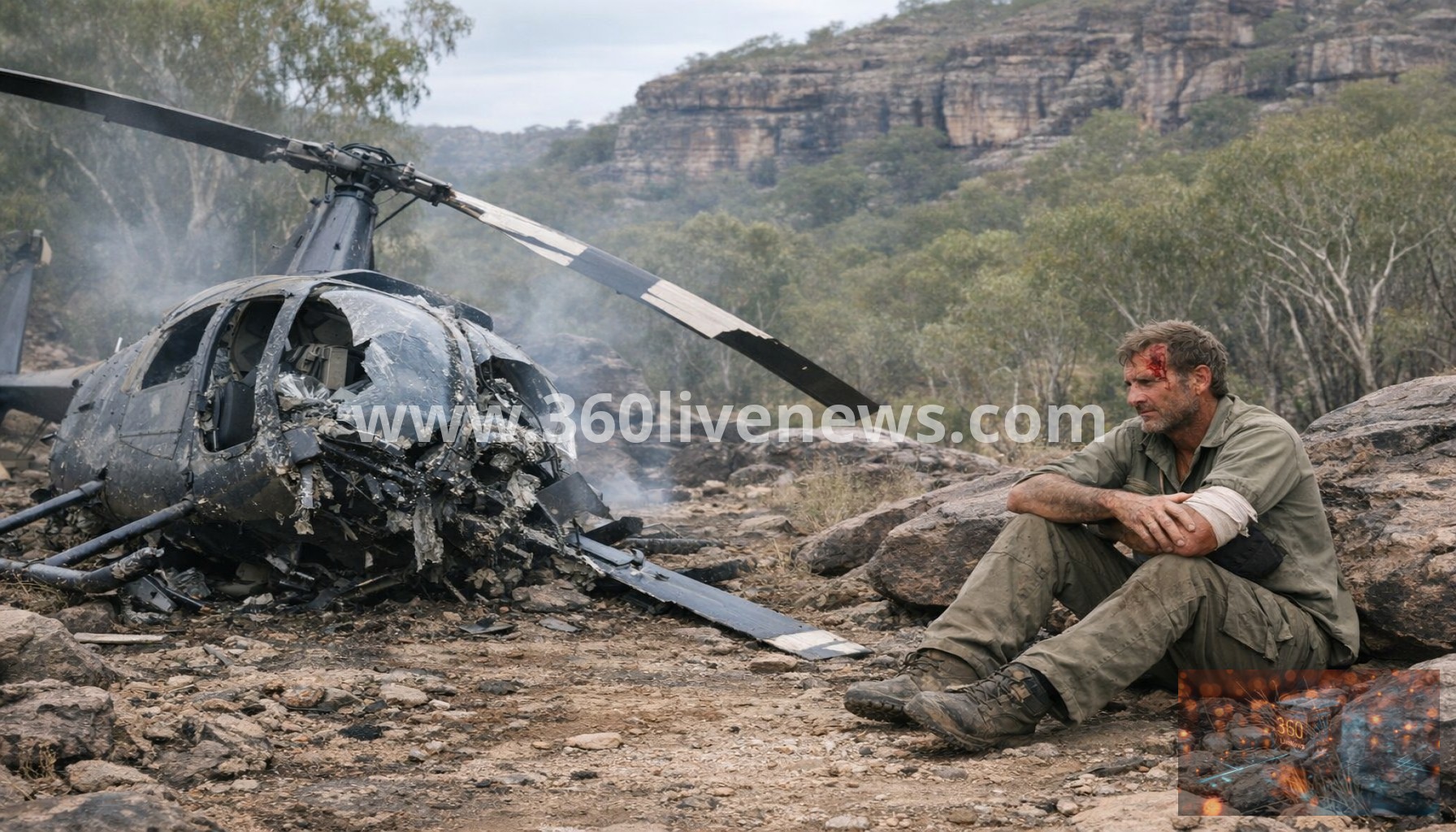
In a dramatic incident, Fred Hunter, a ranger, narrowly survived a helicopter crash in Kakadu National Park while conducting feral animal control operations. The event, which occurred during the dry season, highlights the risks faced by rangers working in remote areas of Australia.
On that fateful day, Hunter was in a helicopter near Gunlom Falls when the aircraft suffered a catastrophic failure. He recounted how the helicopter's motor cut out abruptly, transitioning from full revs to idle within seconds. This sudden malfunction resulted in the helicopter plummeting towards the ground, creating an alarming situation for Hunter and his fellow passengers, including the pilot and another ranger, Ian Conroy.
As the helicopter descended, Hunter experienced a harrowing impact. He described lying on the ground covered in blood and fuel, immediately registering the severity of the situation he found himself in. His ordeal worsened when he felt an ominous sensation of something biting his leg, demonstrating not only the physical injuries but the psychological trauma associated with such accidents.
The physical damage to the helicopter was significant. Hunter noted that one of the rotors had been snapped in half upon impact. The rotor's violent disconnection caused extensive destruction within the cabin, notably slicing through the helicopter's motor and even cutting one of the rifles carried by the rangers in half. This incident underscores not just the mechanical vulnerabilities of small aircraft during operations in challenging environments, but also the inherent dangers involved in wildlife control operations.
In the aftermath of the crash, immediate rescue efforts were mobilized. CareFlight, an aeromedical service, played a critical role in providing air ambulance services, ensuring that both Hunter and Conroy received the urgent medical attention needed following the crash. Such services are vital in remote Australian regions where access to traditional medical facilities can be limited.
This incident is part of a broader context concerning the risks associated with feral animal management in national parks. As Australia grapples with issues related to invasive species, rangers like Hunter and Conroy are often on the front lines. Their work is essential for maintaining the ecological balance within these natural reserves, though it comes with significant personal risk.
Kakadu National Park, known for its diverse ecosystems and cultural heritage, serves as a key location for wildlife management efforts. These initiatives are critical for protecting native species and habitats, especially in areas threatened by invasive species like wild horses. Previous incidents involving accidents or health issues during such operations have raised questions about safety protocols and the readiness of emergency services in remote locations.
The implications of this crash echo beyond just the immediate danger to rangers. It fosters discussions about the operational safety measures in place for those conducting wildlife control in isolated environments. While agencies like Parks Australia strive to implement rigorous safety protocols, the unpredictability of such operations demands constant vigilance and adaptation to evolving circumstances.
This incident also calls attention to the physical and psychological well-being of environmental rangers. Organizations and agencies involved in conservation efforts must prioritize the mental health of their personnel, ensuring they receive psychological support after experiencing traumatic events. As these tasks often place rangers in perilous situations, recognizing and addressing the potential for psychological impacts is as crucial as physical safety measures.
In summary, Fred Hunter's survival from the helicopter crash in Kakadu National Park serves as a reminder of the dangers faced by wildlife rangers. It raises important questions regarding safety protocols, the support systems for those working in remote and demanding conditions, and the broader challenges of wildlife management in Australia's national parks.
#KakaduNationalPark #CareFlight #Australia #WildlifeManagement #FeralAnimals #EnvironmentalRangers #SafetyProtocols #PsychologicalSupport