UK Government Plans for Potential Food Shortages Amid Iran War
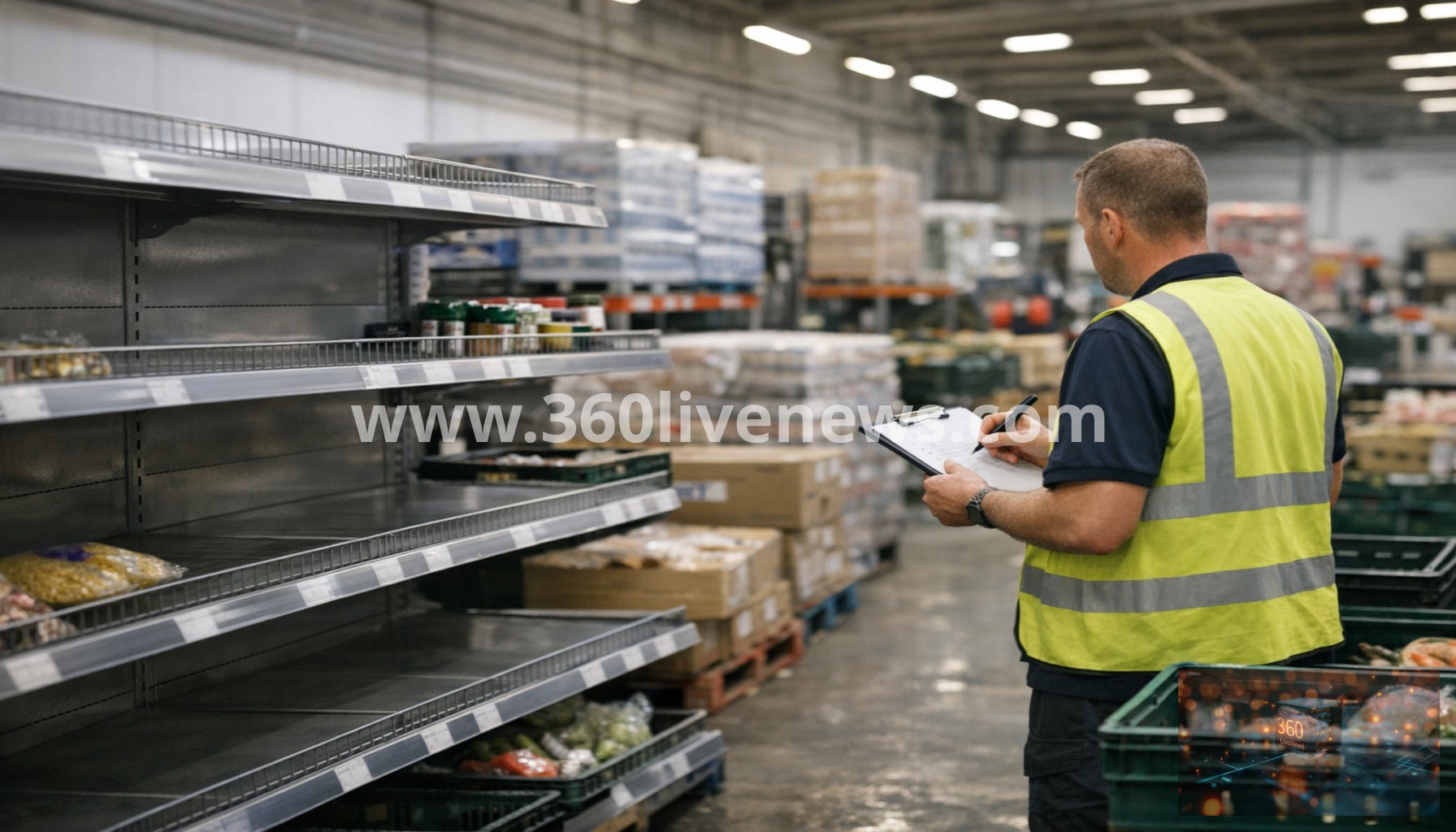
The UK government is actively preparing for possible food shortages this summer due to disruptions linked to the ongoing conflict in Iran.
Officials have confirmed contingency plans are being drawn up in case the Strait of Hormuz remains closed, which could disrupt supplies of carbon dioxide (CO2) critical for food preservation and animal slaughter.
Staple items such as chicken, pork, and fizzy drinks could face shortages if CO2 supplies break down, according to government sources and recent reports.
Business Secretary Peter Kyle acknowledged the scenario planning publicly, emphasizing that while the leaks about these plans were unhelpful, the public should be reassured that the government is undertaking thorough preparations.
Kyle contrasted the current approach with earlier government responses to crises, noting the importance of proactive planning.
The contingency planning, named Exercise Turnstone, involves multiple government departments including No 10, the Treasury, and the Ministry of Defence, and is coordinated by the government's Cobra emergency committee.
This exercise assumes a "reasonable worst-case scenario" where the Strait of Hormuz remains closed through June and no permanent peace deal is reached between the US and Iran.
CO2 is essential in the food industry for extending the shelf life of products such as salad, packaged meats, and baked goods, as well as for the humane slaughter of livestock, including nearly all pigs and over two-thirds of chickens.
The UK is one of Europe's largest users of CO2, which is also vital for fizzy drinks, beer production, refrigeration, and other industries including medical procedures and nuclear power plant cooling.
While the government holds stockpiles of CO2, these are not considered a long-term solution to potential supply disruptions.
Retailers such as the UK's largest supermarket chain have reported no current issues with CO2 availability, and the Business Secretary stated that supplies are "not a concern" for the UK economy at present.
The closure of the Strait of Hormuz followed wide-ranging strikes by the US and Israel on Iran in late February, leading to increased global fuel and fertilizer prices, both critical to food production.
The National Farmers Union has warned of rising prices for cucumbers and tomatoes in the near term, with other crops and milk prices expected to increase over the next three to six months.
The International Monetary Fund has cautioned that the Iran war could trigger a global recession, with the UK projected to be among the hardest hit advanced economies.
#UKgovernment #Iranwar #foodshortages #carbondioxide #StraitofHormuz
