UK High Court rejects challenge against Metropolitan Police live facial recognition use
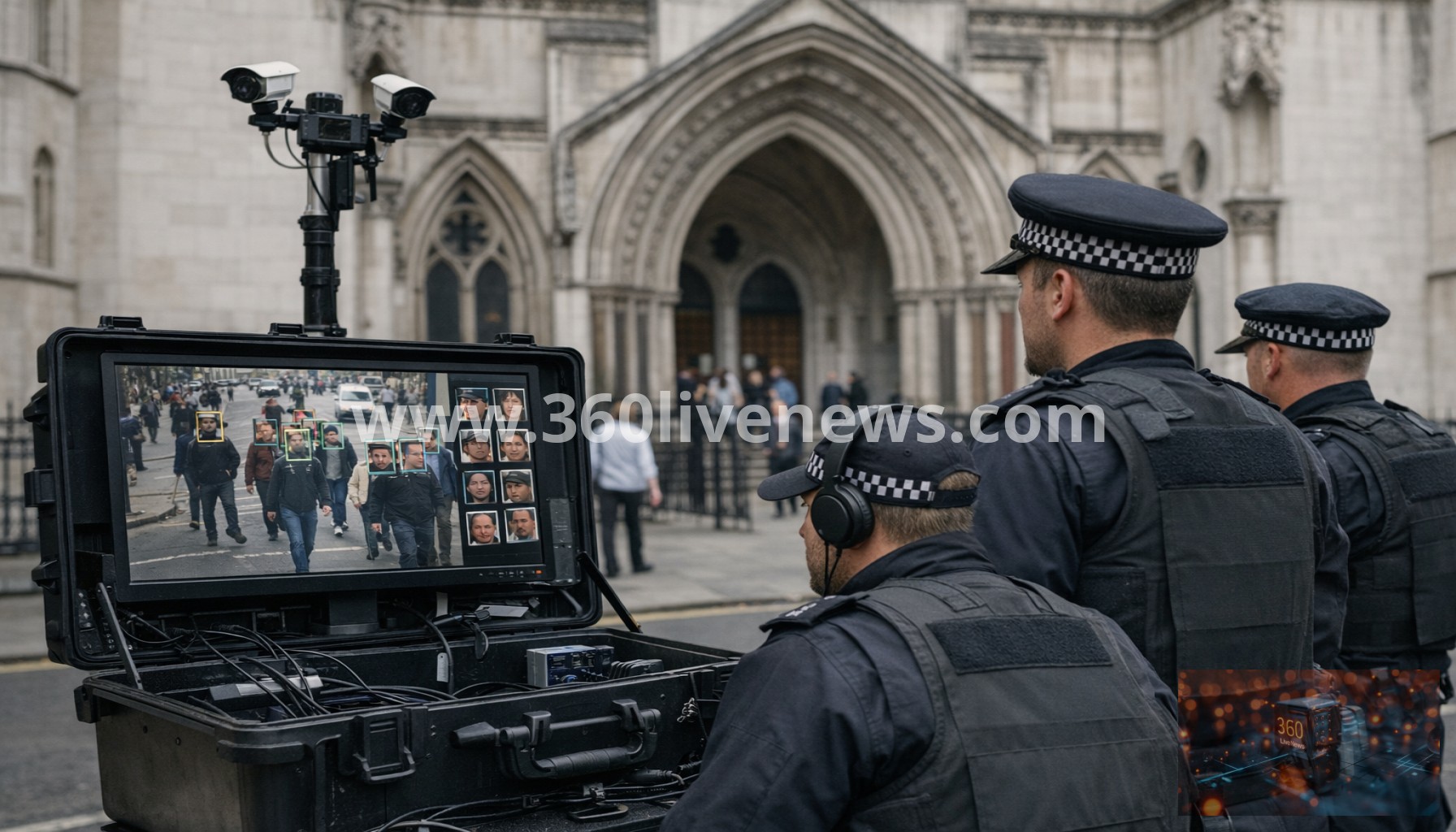
The UK High Court has dismissed a legal challenge against the Metropolitan Police's use of live facial recognition (LFR) technology in London.
Two claimants, Shaun Thompson and Silkie Carlo, had argued that the technology's deployment was unlawful and risked discrimination.
The court ruled that the Metropolitan Police's policy on LFR, which has been in use since September 2024, is lawful and does not breach human rights.
Judges Lord Justice Holgate and Mrs Justice Farbey stated that the policy provides adequate notice to the public about the circumstances in which LFR is used.
Shaun Thompson was previously misidentified by the technology, a key point raised by the claimants.
However, the court found that the risk of discrimination on racial grounds was only faintly asserted and did not amount to a breach of rights.
This ruling comes amid plans by the Home Office to expand the use of LFR technology, increasing the number of facial recognition vans from 10 to 50 and making them available to police forces across England and Wales.
The Metropolitan Police Commissioner, Sir Mark Rowley, described the ruling as a significant victory for public safety.
He emphasized that the technology is supported by 80% of the public and is used in a targeted manner in high-crime areas.
The technology uses artificial intelligence to scan faces and compare them against a database of serious criminals.
If a match is detected, an alert is sent to officers who then manually verify the identification.
Concerns have been raised by privacy and civil liberties groups about the potential for mass biometric surveillance and the lack of monitoring of the technology's use.
#MetropolitanPolice #livefacialrecognition #HighCourt #privacy #facialrecognitiontechnology
