US Treasury Secretary confirms Gulf and Asian allies request currency swap lines amid Iran war fallout
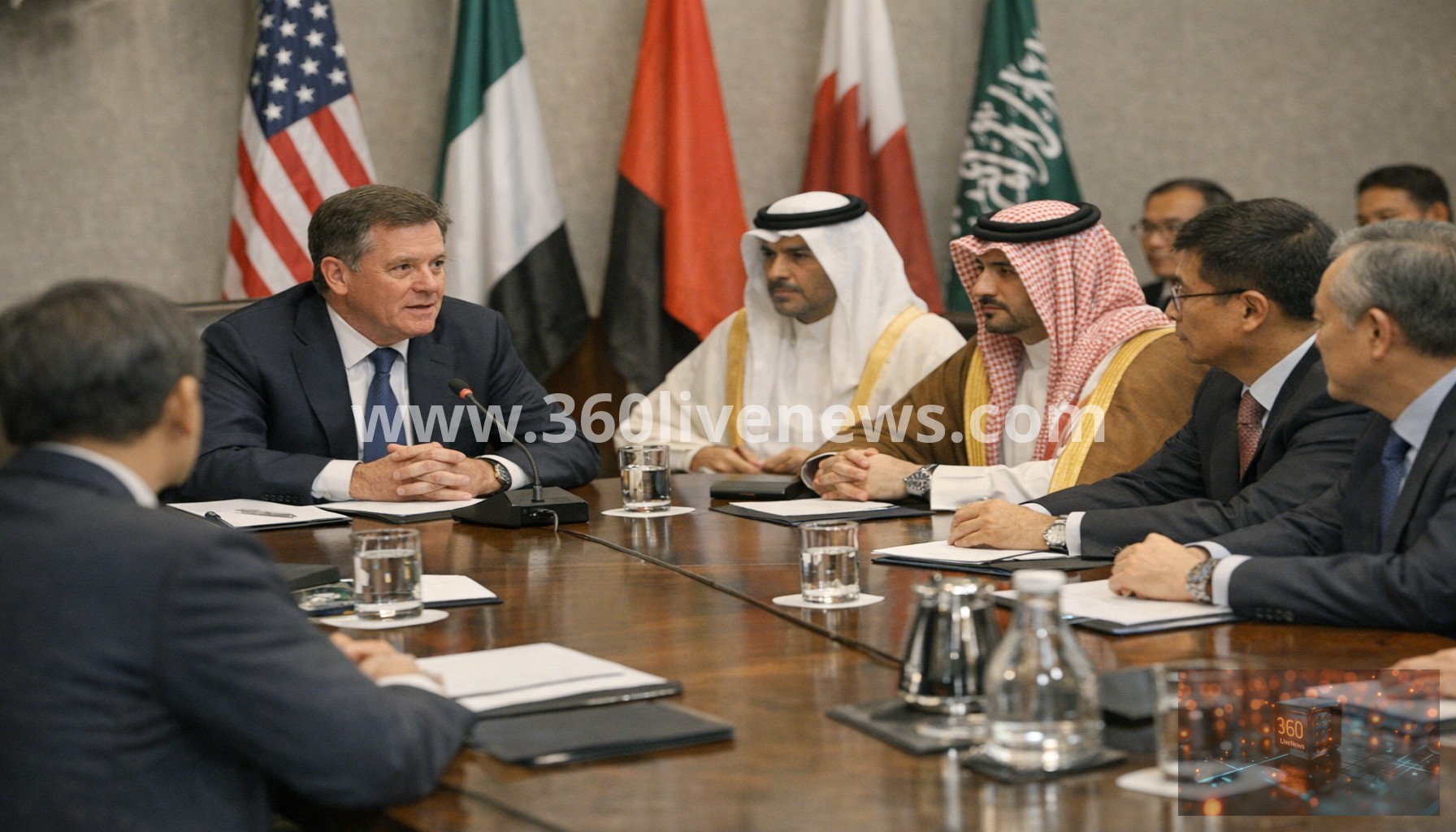
United States Treasury Secretary Scott Bessent has confirmed that several Gulf and Asian allies have requested currency swap lines from the US.
These requests come as these countries seek to mitigate the economic fallout and energy shocks resulting from the ongoing US-Israel conflict with Iran.
Bessent told a US Senate Appropriations Committee hearing that the swap lines would help stabilise financial markets amid the turmoil caused by the war.
He noted that both the US and the United Arab Emirates would benefit from a proposed swap line, which involves central banks exchanging currency to provide liquidity during times of economic uncertainty.
The Treasury Secretary did not specify all the countries involved but indicated that numerous Asian allies have also made similar requests.
Swap lines are intended to maintain order in dollar funding markets and prevent disorderly sales of US assets.
This development is significant as it highlights the broader economic impact of the Middle East conflict, extending beyond the immediate region to global financial stability.
The requests for swap lines reflect concerns about energy market disruptions and financial volatility linked to the war.
Bessent also addressed allegations that the Trump family's financial ties with the UAE influenced the decision to offer a swap line, denying such claims.
The US Treasury has previously provided currency swap lines, including a $20 billion facility to Argentina last October to stabilise its peso during a turbulent election period.
That swap line was backed by the Treasury's $219 billion Exchange Stabilization Fund and has since been repaid.
During the Senate hearing, some Democrats expressed concerns about the potential costs to US taxpayers.
#currencyswaplines #USTreasury #Gulfallies #Asianallies #Iranconflict
