New Zealand rejects WWII comfort women statue after Japan protest
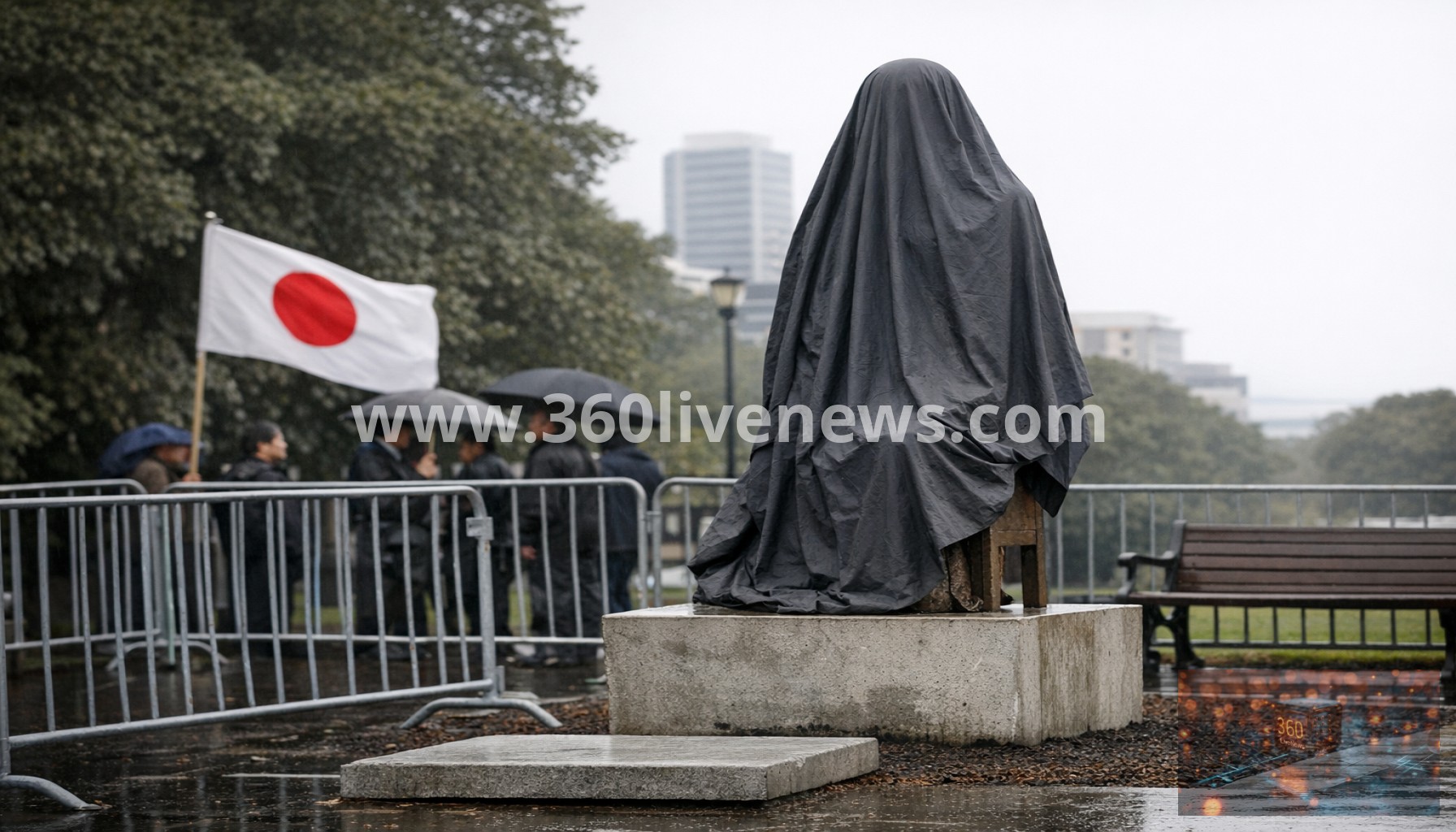
Plans to erect a statue in Auckland symbolising the so-called comfort women, who were forced into sexual slavery by Japan during World War Two, have been rejected.
The bronze statue, depicting a girl seated next to an empty chair, was donated by the Korean Council for Justice and Remembrance, a non-governmental group advocating against military sexual slavery.
The Japanese embassy warned that installing the statue in a public garden could significantly impact diplomatic relations between New Zealand and Japan.
The proposal was ultimately voted down by the Devonport-Takapuna Local Board following public consultation that showed a lack of community support.
More than 200,000 women and girls, mostly Korean but also from China, the Philippines, Indonesia, and Taiwan, were forced into prostitution to serve Japanese soldiers during the war.
Japan's Ambassador to New Zealand, Makoto Osawa, expressed concern that the statue would cause division within New Zealand's multicultural society and between Japanese and Korean communities peacefully coexisting in the country.
The ambassador stated that Japan does not deny or trivialise the issue and has been addressing diplomatic concerns with Korea over the years.
New Zealand's government confirmed that Japan had made formal representations on the matter but emphasised that decisions on statues in public spaces are made by local government and communities.
A local grassroots group, Aotearoa New Zealand Statue of Peace, which proposed the statue, described the rejection as unfortunate and a loss for the local community and survivor voices.
#NewZealand #Japan #Auckland #comfortwomen #statue #KoreanCouncilforJusticeandRemembrance
