United Arab Emirates announces exit from OPEC and OPEC+ amid regional tensions
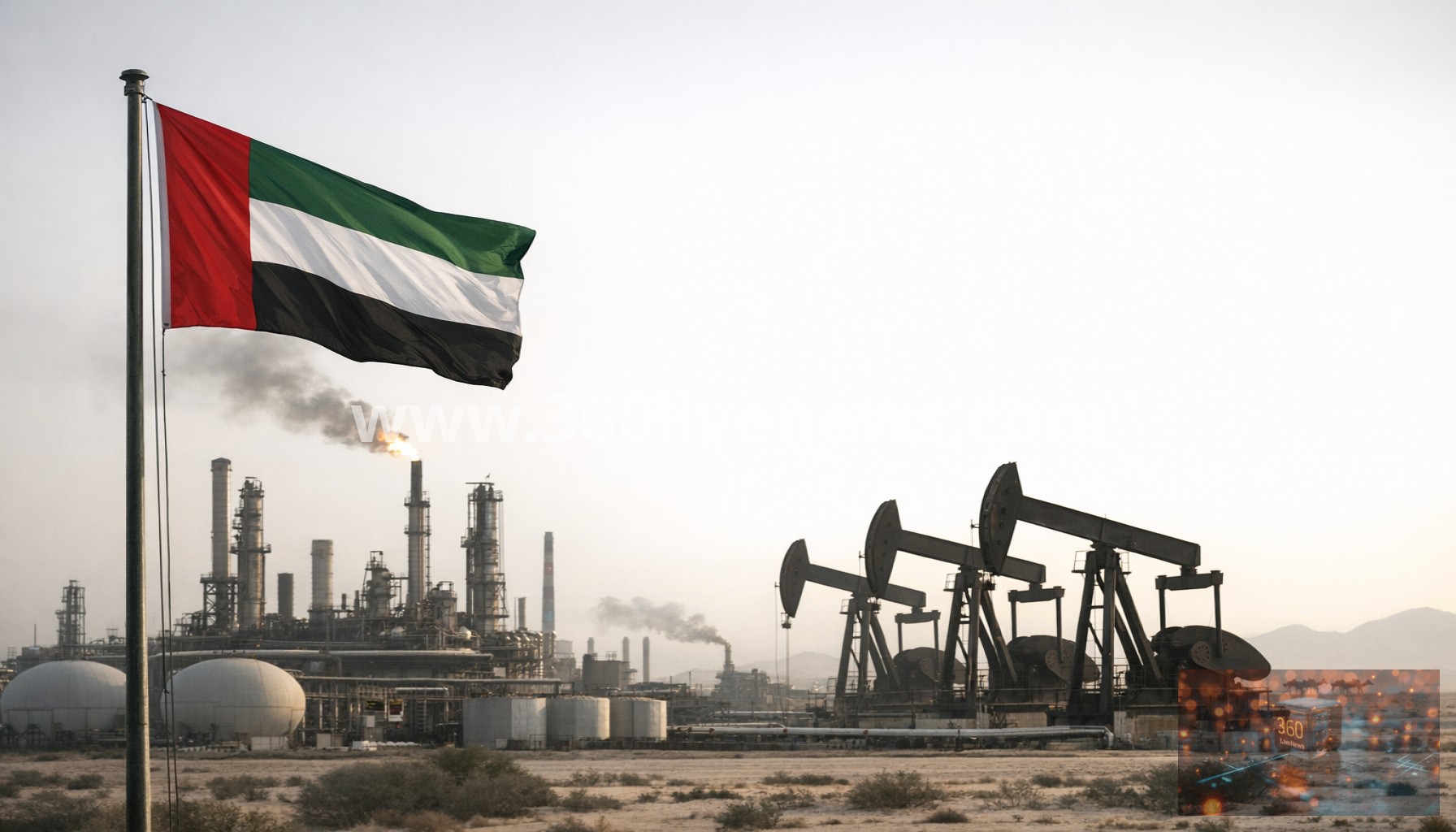
The United Arab Emirates (UAE) has declared it will leave the Organization of the Petroleum Exporting Countries (OPEC) and its allied group OPEC+, effective this Friday.
This unprecedented move aims to prioritise the UAE's national interests amid rising energy prices and ongoing conflict in the Middle East.
The UAE, one of the world's top oil producers and a founding OPEC member since 1967 through Abu Dhabi, announced the decision on Tuesday.
The official statement cited the country's evolving energy profile and a desire for greater strategic and economic flexibility as key factors.
The departure comes as Gulf oil shipments face disruption due to Iran's blockade of the Strait of Hormuz, a vital chokepoint through which about one-fifth of global crude oil and liquefied natural gas normally passes.
The UAE has been directly affected by Iranian attacks and tensions in the region.
This exit represents a significant blow to OPEC and its dominant member Saudi Arabia, potentially weakening the cartel's unity and influence over global oil markets.
The UAE had previously expressed dissatisfaction with OPEC+ production quotas and has faced strained relations with Saudi Arabia.
The UAE's energy ministry stated that constraints on the Strait of Hormuz influenced the decision but suggested the move would not drastically impact the global oil market.
The country aims to focus on its long-term strategic and economic vision without the limitations imposed by the cartel.
The announcement also reflects broader geopolitical dynamics.
Former US President Donald Trump has criticised OPEC for inflating oil prices and linked US military support for Gulf states to these pricing strategies.
#UnitedArabEmirates #OPEC #SaudiArabia #StraitofHormuz #energymarkets
