United Arab Emirates Withdraws from OPEC to Boost Oil Production Amid Fuel Crisis
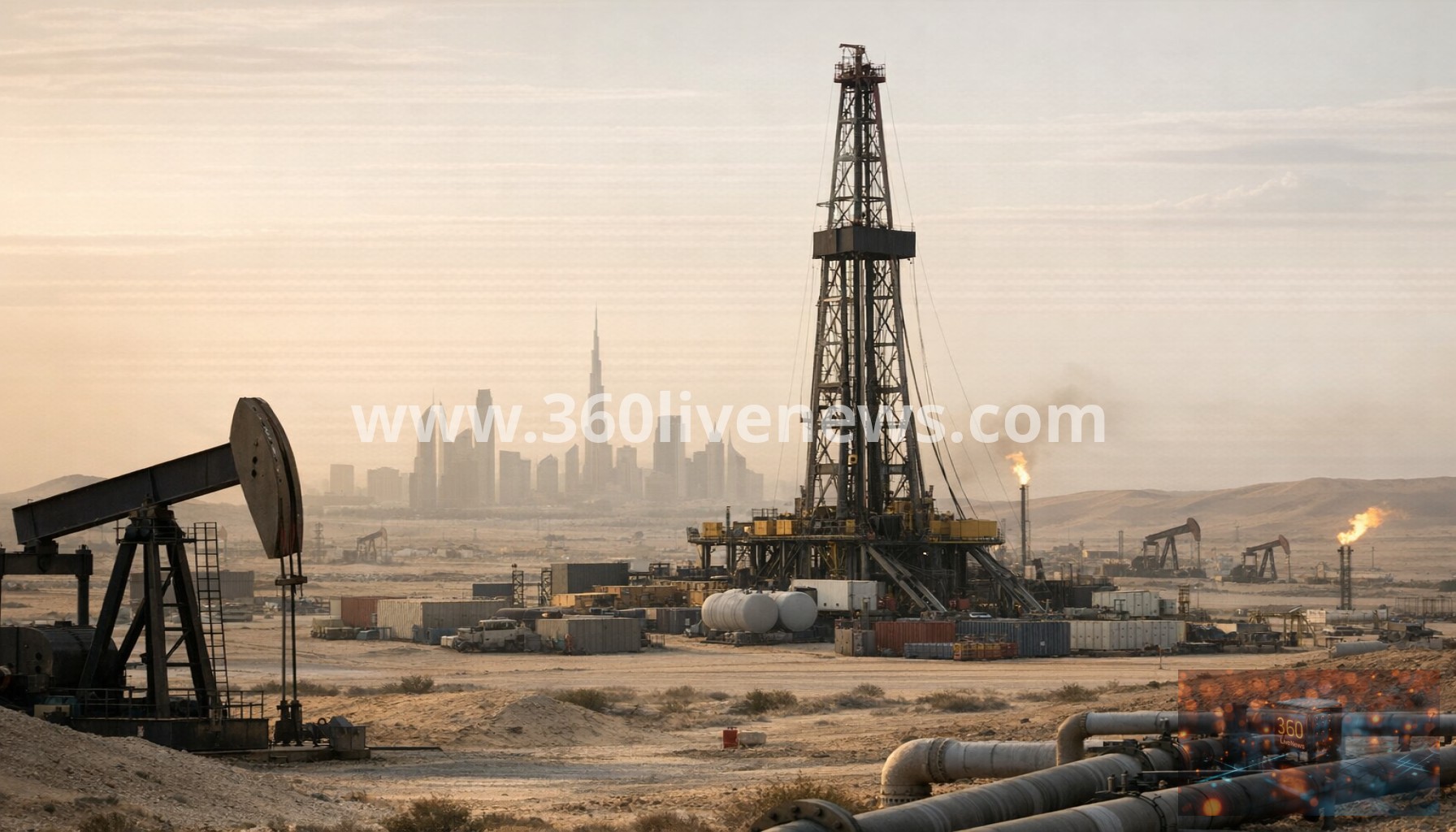
The United Arab Emirates (UAE) has announced its departure from the Organization of Petroleum Exporting Countries (OPEC) amid ongoing fuel supply challenges linked to the Iran war and blockades of the Strait of Hormuz.
This move allows the UAE to increase its oil production beyond the limits set by OPEC quotas.
OPEC, an alliance of oil-producing nations, has significant influence over global oil prices by coordinating production levels among its members.
The UAE, currently producing around 3 to 3.5 million barrels per day, plans to raise output to as much as 5 million barrels per day by 2027.
The UAE government stated it intends to increase production gradually and in line with market demand and conditions.
Analysts note that this decision comes as global oil consumption is expected to peak in the coming years due to a transition toward renewable energy sources.
The fuel crisis, exacerbated by the Iran war and disruptions in the Strait of Hormuz shipping route, has contributed to rising oil prices.
Benchmark Brent crude oil prices recently surged to around US$111 per barrel, with US West Texas Intermediate nearing US$100 per barrel.
For energy-importing Asian economies such as Japan, India, and South Korea, the UAE's increased production capacity is seen as a positive development for long-term energy security, despite short-term challenges including refinery cutbacks.
OPEC was established in 1960 by founding members including Iran, Iraq, Kuwait, Saudi Arabia, and Venezuela.
In 2016, it expanded into the OPEC+ alliance with additional non-member countries.
The UAE's exit marks a significant shift in the organization's dynamics.
#UnitedArabEmirates #OPEC #oilproduction #fuelcrisis #StraitofHormuz
