United Arab Emirates Plans to Leave OPEC Amid Oil Market Volatility
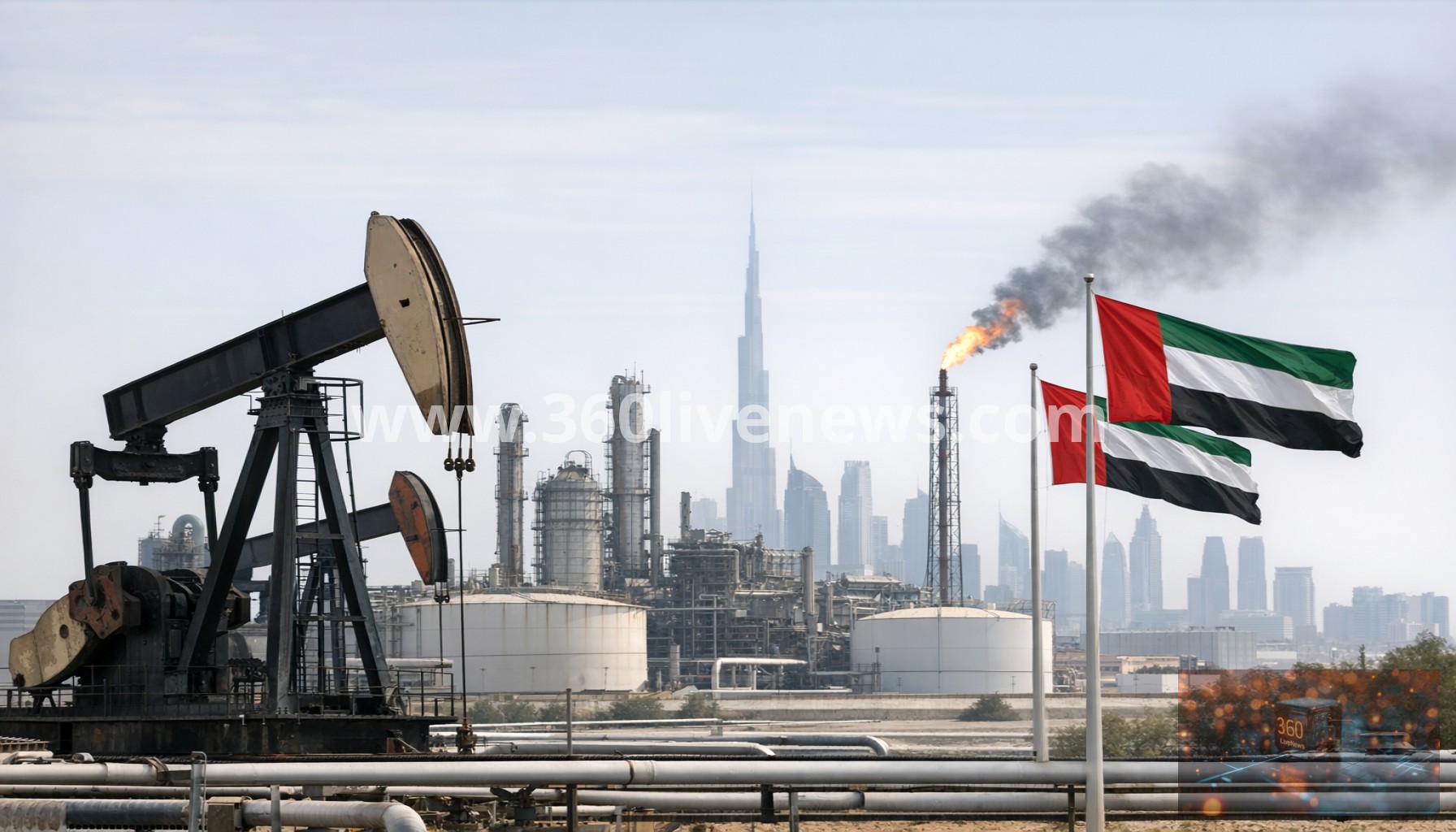
The United Arab Emirates (UAE) has announced plans to exit the Organisation of the Petroleum Exporting Countries (OPEC), marking a significant shift in global energy politics.
This move is seen as a major blow to OPEC, which has historically coordinated oil production among member states to influence global oil prices.
The UAE's decision comes amid unprecedented volatility in the oil market, exacerbated by the ongoing US-Israel war with Iran.
The conflict has triggered the largest loss of oil supply on record, according to the World Bank.
OPEC was established in 1960 by five founding members, including Iran, Iraq, Kuwait, Saudi Arabia, and Venezuela, to defend the interests of major oil exporters by coordinating production levels.
Over time, the group expanded to include countries such as Algeria, Equatorial Guinea, Gabon, Libya, Nigeria, and the Republic of the Congo.
In 2016, OPEC formed a broader alliance known as OPEC+ with ten additional oil producers, including Russia.
The organisation's influence on oil prices has fluctuated over the decades.
It has historically adjusted production to manage supply and demand, aiming to stabilise prices.
#UnitedArabEmirates #OPEC #oilprices #USIsraelwarwithIran #oilsupply #energymarket
