End of Hereditary Peers' Right to Sit in UK House of Lords
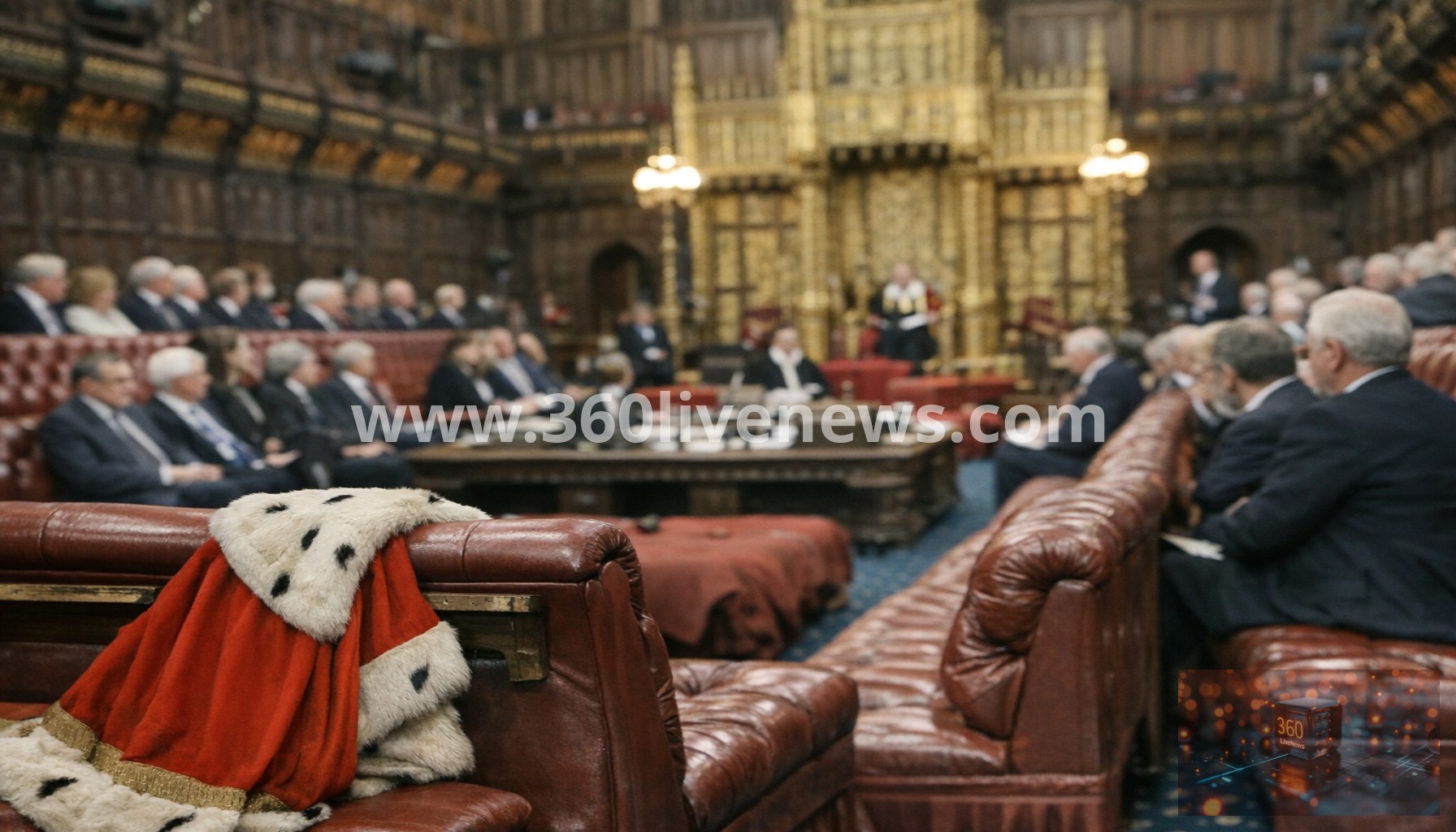
A law removing the right of hereditary peers to sit in the House of Lords took effect as the current session of the UK Parliament ended on April 29, 2026.
This marks the conclusion of nearly a thousand years of hereditary parliamentary seats.
The majority of hereditary peers lost their seats in 1999, but 92 remained after a compromise deal with the Conservative Party.
The recent legislation enacted a commitment from the Labour Party's 2024 election manifesto to remove the remaining hereditary peers.
Lord Forsyth of Drumlean, the Lord Speaker, acknowledged the contribution of hereditary peers in a farewell speech, highlighting their ethos of service, independence of mind, and long-term perspective.
Some hereditary peers, including 15 Conservatives and several crossbenchers, will remain as life peers to maintain the functionality of the House.
This reform is significant as it completes the transition away from inherited parliamentary seats, reflecting ongoing efforts to modernize the UK's upper chamber.
The government has indicated plans for further reforms, such as introducing participation requirements and a retirement age for members.
Life peers, who are appointed rather than hereditary, will continue to make up the majority of the House of Lords, alongside 26 Church of England archbishops and bishops.
#HouseofLords #hereditarypeers #UKParliament #politicalreform #lifepeers #LordForsythofDrumlean
