Kremlin tightens internet control amid declining public support
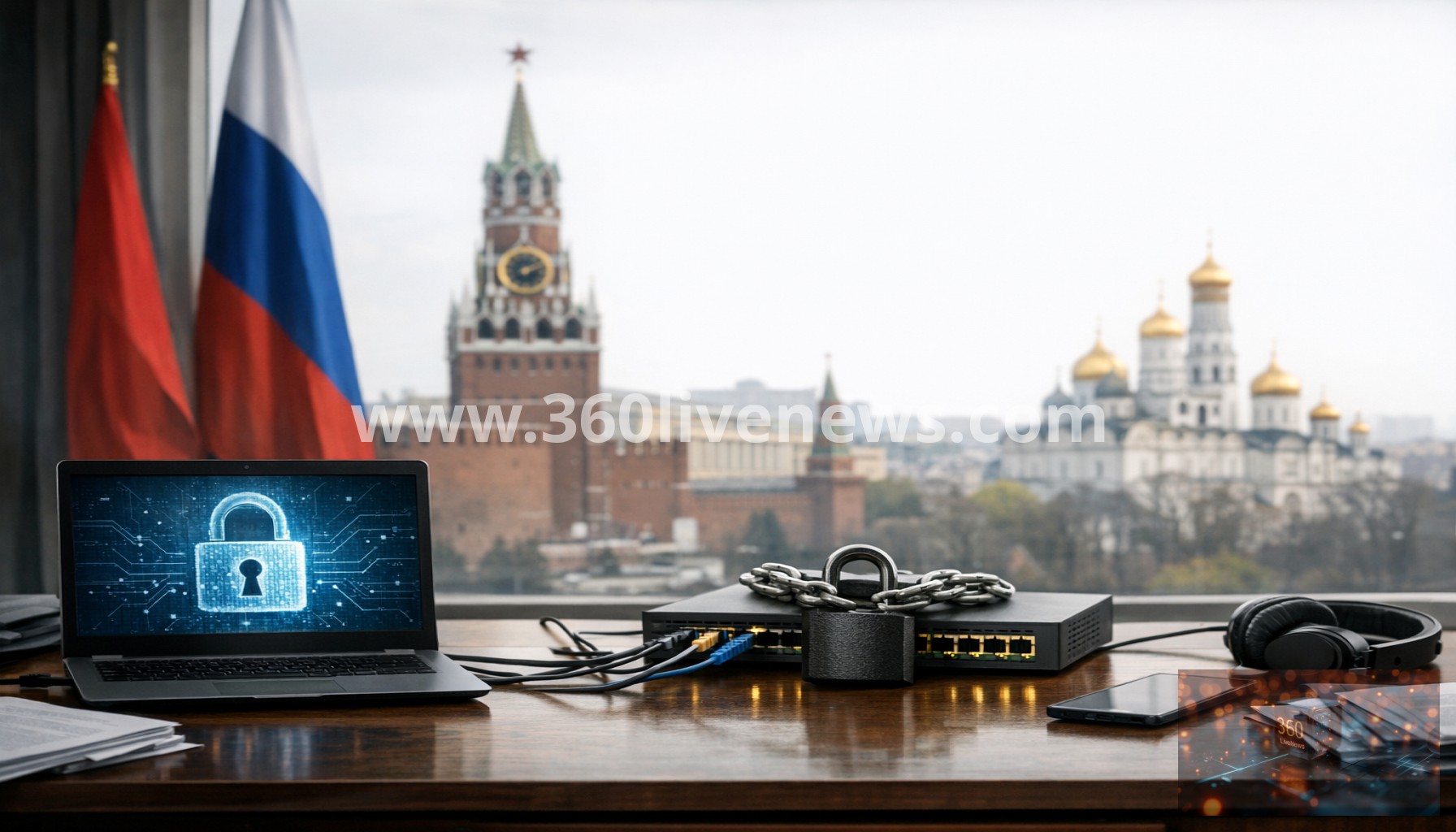
The Russian Federal Security Service has intensified internet restrictions, implementing a total blockade of Telegram and WhatsApp and increasing efforts to block VPN services.
These measures aim to control information flow ahead of the State Duma elections scheduled for September 2026.
The crackdown follows a deadly terrorist attack in 2024 at Moscow's Crocus City concert hall, where 151 people were killed and over 600 injured.
Authorities linked the attack to terrorist recruitment via Telegram, prompting the government to justify the restrictions on grounds of combating terrorism and protecting national security.
Public support for President Vladimir Putin has declined to its lowest level since the full-scale invasion of Ukraine, according to the state-run pollster VTsIOM.
The internet restrictions have contributed to growing frustration among Russian citizens, with many turning against the ruling class and engaging more actively in political discourse.
The Federal Security Service, the main successor to the Soviet KGB, now controls the Russian internet (RuNet).
The government is promoting a state-backed super app called MAX as part of its strategy to replace banned platforms.
The ongoing war on VPNs limits citizens' ability to circumvent censorship by routing traffic through foreign servers.
#Russia #FederalSecurityService #VladimirPutin #Telegram #WhatsApp #VPN #StateDumaelections #internetrestrictions
