Myanmar Faces Election Amidst Civil War And Political Repression
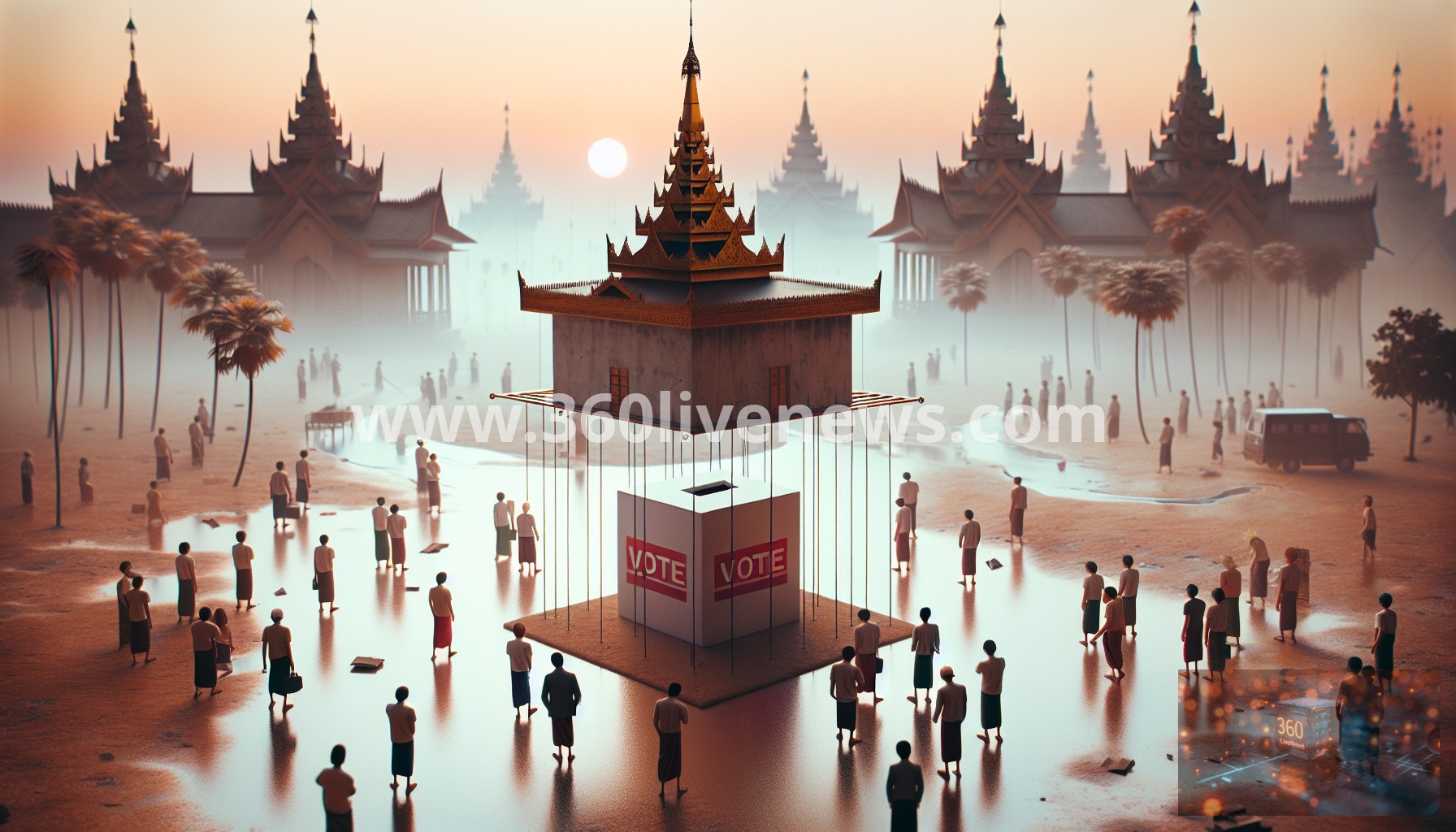
Myanmar is set to hold its first national elections since a military coup in 2021, but the legitimacy of the upcoming polls is under intense scrutiny. Human rights organizations and Western governments have denounced the elections as a facade, as the military junta has systematically silenced opposition voices, imprisoning leaders and banning the main opposition party. The National League for Democracy (NLD), once led by Aung San Suu Kyi, was dissolved in early 2023, leaving the political landscape heavily tilted in favor of the military-backed Union Solidarity Development Party.
The elections, scheduled to take place on three different dates—December 28, January 11, and January 25—will occur amid a brutal civil conflict. Pro-democracy factions and ethnic armed groups are engaged in an ongoing struggle against the military government, also known as the Tatmadaw. With military operations stretching across the country, the junta has only assured voting will occur in regions under its control, which represents less than half of Myanmar's territory.
Observers note that the junta's intention is to present a veneer of legitimacy, attempting to rebuild relationships with international stakeholders. Countries like China, Russia, and Belarus have provided varying degrees of support to the regime. This backdrop highlights Myanmar's strategic importance in the competition for mineral resources, which has piqued the interest of global powers, particularly those in the Asian market.
The military regime faces international condemnation for its actions since the coup. Reports indicate that more than 22,000 political prisoners are currently detained. Many individuals have encountered arrest under stringent laws designed to quell dissent, making it illegal to criticize the elections or engage in any activities deemed disruptive towards the process. In the lead-up to the polls, intense military operations have targeted civilian areas, further escalating the humanitarian crisis, which has forced approximately 3.5 million people to flee their homes.
On December 5, junta airstrikes resulted in the deaths of at least 18 civilians in a localized attack, exemplifying the dire security situation. Such incidents have bred fear among the populace, with rebel factions warning against participation in the elections and promising retaliatory action against anyone who attempts to vote. The military's strategy to implement electronic voting in this contentious environment raises further questions about the integrity of the electoral process.
The elections come 25 years after Myanmar's last legitimate vote in 1990, when the NLD won a landslide victory that the military subsequently ignored. Even when the NLD gained a semblance of power in 2015 following prior reforms, military oversight remained embedded within the constitution. Despite the military's rapid consolidation of control, the consequent civil unrest has prompted calls from displaced citizens and international entities alike for meaningful governance reforms and accountability.
While the European Union and the Association of Southeast Asian Nations (ASEAN) have opted not to send election monitors, countries like the United States and India are considering the implications of the vote on lifting sanctions. Analysts caution, however, that engaging with the junta could further entrench its power and diminish the prospects of restoring a democracy that has largely been absent in Myanmar's tumultuous political history.
The situation remains complex, as Myanmar's geopolitical position complicates the international response. The country is rich in natural resources such as rare earth metals, which makes it a strategic focal point for superpower competition. But unlike other regions with similar resource wealth, such as Venezuela, analysts believe the potential for Myanmar to descend into a similar kind of crisis is lower given its nuanced foreign relations.
The upcoming elections, widely seen as a calculated move to further legitimize military rule, are occurring against the backdrop of ongoing violence and repression. As the junta pushes forward with its agenda, the international community watches closely, contemplating how best to support the plight of the millions affected while also addressing the geopolitical implications of engagement with Myanmar. The outcome of this vote, however characterized, will likely have lasting effects on the region's stability and the future of democratic governance in Myanmar.
#MyanmarElections #CivilWar #HumanRights #Tatmadaw #InternationalRelations #Democracy
