Myanmar General Elections Amid Civil War and Allegations of Fraud
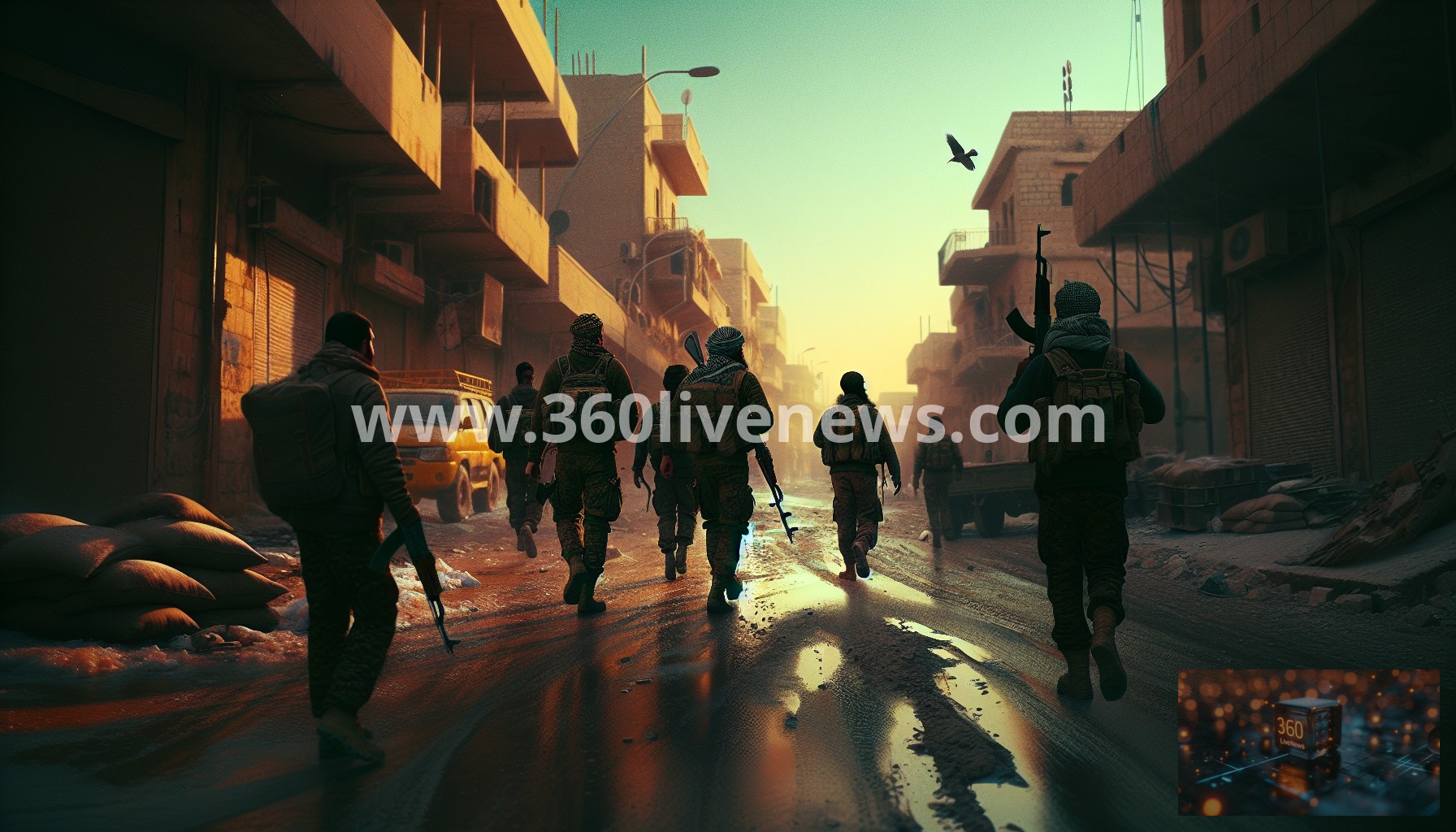
Voting has recommenced in Myanmar as the country grapples with civil unrest, marking the second phase of a contentious three-part general election. Polls opened across 100 townships, and the military government claims a turnout of 52 percent from the initial round held in December. This electoral process has been widely criticized as a mechanism to legitimize military control following the coup that ousted the democratically elected government in 2021.
Polling began at 6 am local time on Sunday in regions that include Sagaing, Magway, Mandalay, and parts of Kachin, Kayah, and Kayin states. The ongoing conflict has severely affected these areas, many of which remain under an intensive security presence. The event takes place in a country that has faced nearly three years of turmoil, with civil strife erupting after the military detained then-leader Aung San Suu Kyi, a Nobel Peace Prize laureate, escalating a clash between various factions.
The National League for Democracy (NLD), the party dominantly elected during the last election in 2020, has been disbanded along with several other opposition groups. These parties were reportedly dissolved as they failed to participate in the latest electoral cycle. The military opted for a staggered election approach to accommodate the ongoing armed conflict, with a third phase scheduled for January 25, which will see more townships abstaining due to violence.
The military regime asserts that voter participation in the December phase was around 52 percent, claiming a decisive win with the Union Solidarity and Development Party (USDP) capturing over 80 percent of the contested lower house seats. However, analysts highlight that the electoral conditions favour the USDP, describing the process as engineered to eliminate any substantial opposition. Senior Myanmar consultant for the Crisis Group, Richard Horsey, stated that the absence of serious competitors and legal frameworks designed to inhibit dissent heavily favour the military regime.
The legislative framework in Myanmar allows the military to secure a quarter of all parliamentary seats regardless of the electoral outcomes, enabling it to maintain a stronghold on political power. The national legislature comprises 664 seats, and controlling a simple majority permits the election of the president, who subsequently selects the cabinet.
In Yangon, where the mood contrastingly differs from rural conflict zones, citizens cast their votes in locations varying from schools to government buildings. Some residents expressed cautious hope despite the turbulent backdrop. A local farmer, Than Than Sint, noted that she voted to support peace initiatives in Myanmar, reflecting a desire for positive change amid despair. Conversely, others displayed skepticism, with a resident stating that the military would dictate election outcomes, leading to widespread disinterest.
The elections have drawn condemnation from several quarters, with United Nations representatives and various human rights organizations branding them a “sham.” Tom Andrews, the UN special rapporteur on human rights in Myanmar, stressed that the elections fail the criteria of being free or fair. He suggested that the electoral process serves more to mislead the international community than to provide a democratic function.
In light of stringent laws enacted ahead of these elections, any form of dissent or active protest now carries severe penalties, with accusations leading to long prison terms. Current estimates suggest over 22,000 individuals are detained under politically motivated charges, indicating a broader challenge to civic liberties within the nation.
The town of Hpapun, which was historically a bustling community with essential services, serves as a stark example of the ravaged conditions throughout Myanmar. Now largely deserted due to ongoing military clashes with rebel factions, the town presents a symbolic image of the wider crisis, representing millions displaced by the relentless conflict. Some residents, like Aye Thu Zar, have resorted to precarious living conditions away from their homes and express a disconnect from the electoral narrative being propagated by the military.
Despite these turbulent realities, urban centers witnessed a formal exercise of democracy in the first electoral phase in December; however, findings indicated that as few as 35 percent of eligible voters may have participated. As Myanmar progresses towards the final electoral phase, the overwhelming dominance of military-affiliated parties exhibits a troubling trajectory for genuine democratic engagement.
In conclusion, the Myanmar elections unfold against a backdrop of significant violence, political repression, and humanitarian crises, complicating prospects for stability or democratic governance. As conflicting narratives emerge from within the country and drawn scrutiny from foreign observers, the votes cast may yield little more than an affirmation of militarized governance. #MyanmarElections #CivilWar #HumanRights
