Controversy Erupts Over Writer's Exclusion from Major Arts Festival
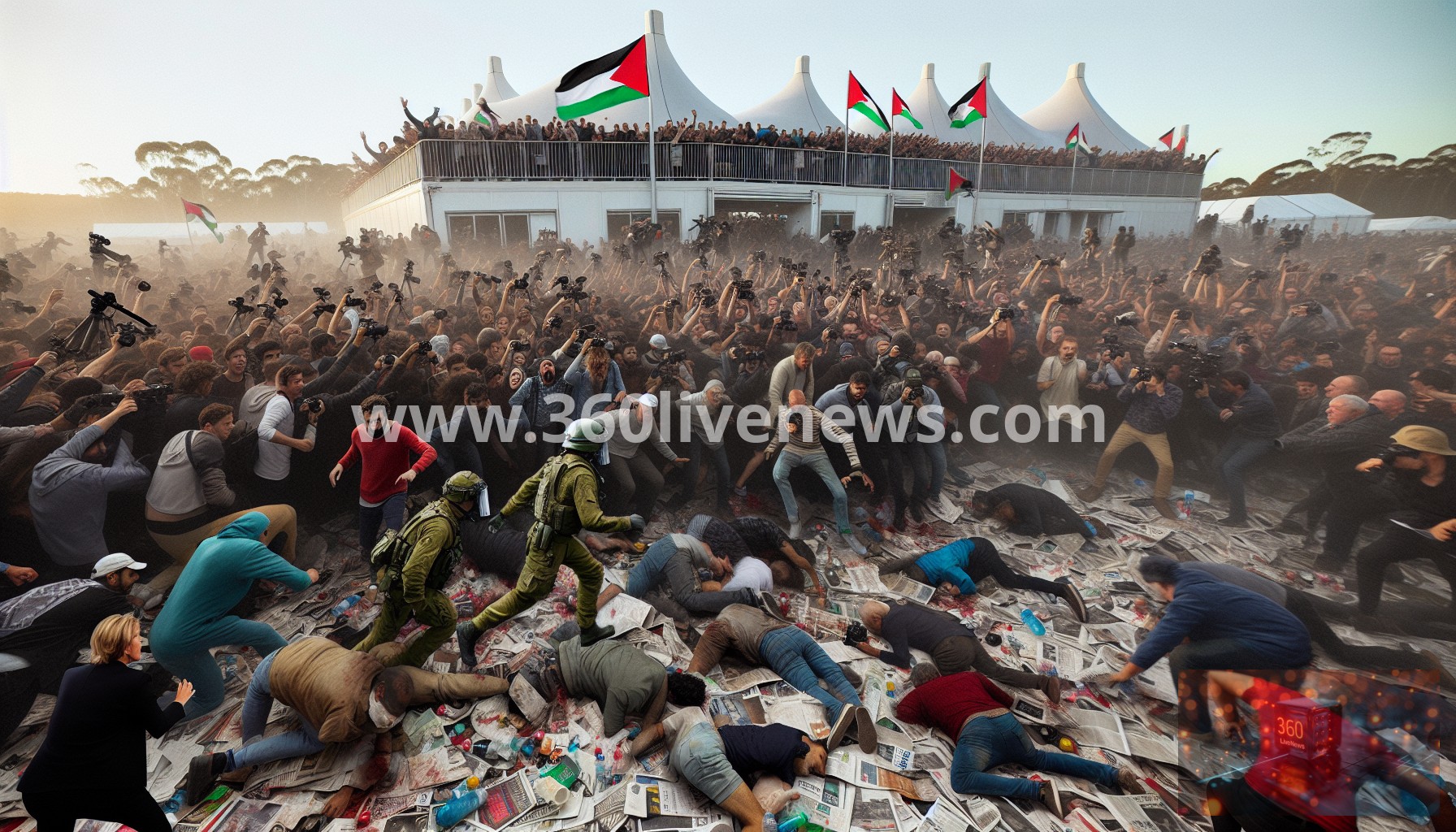
Australia's arts community is currently embroiled in controversy following the Adelaide Festival's decision to disinvite Dr. Randa Abdel-Fattah, a noted Australian-Palestinian writer. This move has sparked a significant backlash, leading to the withdrawal of numerous authors from its upcoming Writers' Week. The festival’s board cited "sensitivities" stemming from a tragic shooting that occurred in December at a Jewish gathering in Bondi Beach, where fifteen individuals were killed by assailants allegedly motivated by the Islamic State.
The board emphasized that their decision was not an implication of Abdel-Fattah's association with the tragedy. However, her vocal criticism of Israel and previous statements led them to conclude that her participation would not reflect cultural sensitivity. In a public response, Abdel-Fattah condemned this action as "anti-Palestinian racism and censorship," vehemently challenging the insinuation linking her remarks to the Bondi attack.
In the wake of her disinvitation, a prominent group of writers, including figures like former New Zealand Prime Minister Jacinda Ardern and acclaimed author Zadie Smith, began withdrawing from the festival. As of Tuesday, the total number of authors who have exited the festival has risen to around 180, illustrating widespread dissent against the board's actions. This mass withdrawal has been framed by many as an essential defense of free speech in an increasingly polarized environment.
The fallout has extended to the festival's board, with four members, including the chair, resigning amid criticisms related to the handling of the situation. Louise Adler, the director of Writers' Week, expressed her belief that silencing writers ultimately diminishes freedom of speech, imploring the need for artists and writers to be able to engage in thoughtful discussions, even if their perspectives challenge established norms. "Writers and writing matter," she stated firmly.
Abdel-Fattah was set to discuss her latest novel, Discipline, which she describes as "a cautionary tale about the cost of silence and cowardice." She has faced scrutiny in the past over her outspoken views, including criticisms of Zionist perspectives, which some have deemed incendiary. Abdel-Fattah's prior statements have ignited situations that some critics argue exemplify double standards regarding free speech in the arts.
Against this backdrop, South Australian Premier Peter Malinauskas expressed support for Abdel-Fattah's exclusion, citing the sensitivity surrounding recent events. However, he maintained that he did not exert any pressure or threaten funding related to her disinvitation. Critics have claimed that political interference and pressures from Jewish community organizations contributed to the decision. Norman Schueler, a member of the Jewish Community Council of South Australia, asserted that the decision would benefit the overall cohesion of the festival.
Abdel-Fattah's lawyer has warned that legal actions may be pursued, arguing that the board's decision has infringed on her rights and freedoms. "The moral indefensibility of the Adelaide Festival board's actions has been amply evidenced by the reaction it has provoked," he stated, underscoring the implications of censorship within the arts.
This incident is not unique to the Adelaide Festival; Abdel-Fattah previously played a role in derailing the Bendigo Writers Festival due to similarly contentious policies around the discussion of sensitive topics. Critics have pointed out the alarming trend where controversial voices are marginalized at cultural institutions due to external pressures and perceived sensitivities connected to ongoing global conflicts, particularly the Israel-Palestine conflict. Abdel-Fattah articulated concern that Australian cultural institutions exhibit "contempt" towards Palestinian narratives, hinting at a larger issue of representation in arts and literature.
As the festival approaches its commencement at the end of February, the ongoing debates surrounding free speech, cultural sensitivity, and artistic expression reveal the complex interplay of politics, community interests, and individual rights within Australia’s cultural landscape. Observers hope that a resolution can be reached that respects both the freedom of expression and the sensitivities tied to ongoing global events.
In conclusion, the Adelaide Festival's predicament raises essential questions about the limits of free speech in the arts, especially concerning divisive political issues. As the arts community grapples with these challenges, the ongoing dialogue highlights the necessity for open, albeit uncomfortable, conversations in shaping a more inclusive cultural narrative. #AdelaideFestival #FreeSpeech #Censorship #PoliticalArt #PalestinianVoices
