Upcoming Execution Highlights Iran's Escalating Crackdown on Protesters
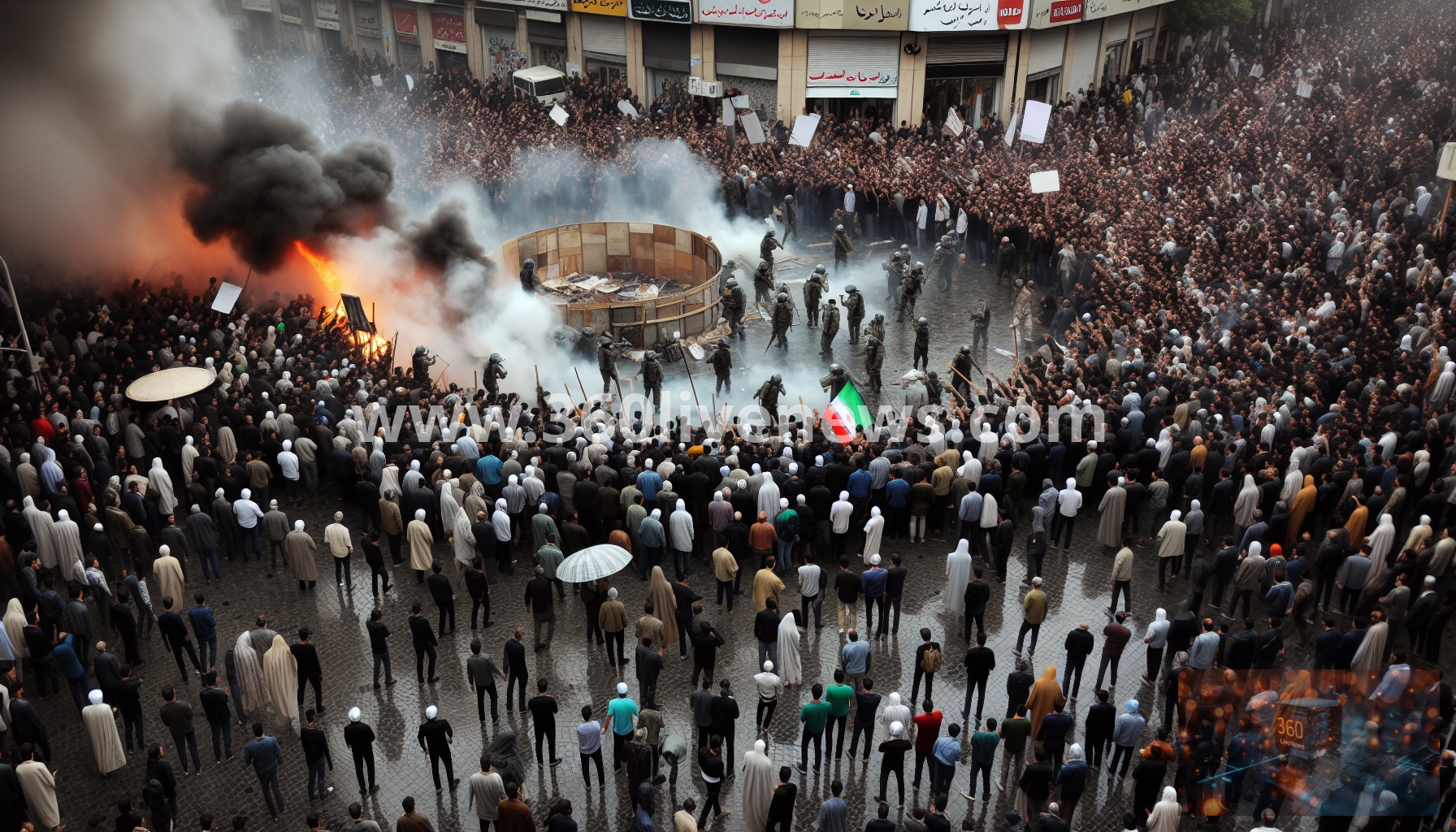
The Iranian regime is intensifying its crackdown on public dissent, with reports indicating that the death penalty may be swiftly enacted against a protester less than a week after his arrest. Human rights group Hengau has revealed that Erfan Soltani, a 26-year-old, was detained on January 8, and his family was notified of the execution plan just four days later. Currently held in Qazl-Hisar prison in Karaj, the family was reportedly ordered to visit him ahead of the execution, raising fears that this would be their final meeting.
Concerns are mounting that Soltani's case is emblematic of broader human rights abuses unfolding in Iran. Reports indicate that he was denied access to legal representation, particularly from his sister, a barrister who was blocked from examining his case files. This absence of due process aligns with alarming trends suggesting expedited trials and executions, as indicated by Iran's judiciary chief, Gholamhossein Mohseni-Ejei. In a public statement, he emphasized the urgency of penalizing demonstrators, asserting that rapid justice was crucial to prevent further unrest.
The political backdrop is marked by widespread protests opposing the government led by Supreme Leader Ayatollah Ali Khamenei, which have resulted in a staggering death toll. Reports from various human rights organizations, including the Human Rights Activists News Agency (HRANA), suggest that over 2,500 individuals have perished during the ongoing unrest, with estimates soaring as high as 15,000 in more extreme accounts. Activists have also highlighted widespread arrests, claiming that approximately 18,434 people have been detained amid the protests.
As protests erupted in late December, fueled by socio-economic grievances exacerbated by international sanctions, Iranian authorities have responded with increasingly violent measures. Reports detail not only a rise in fatalities amongst protesters but also casualties among security forces, further complicating the dynamics of dissent. Many casualties remain unconfirmed due to a strict Internet blackout that has hindered independent verification of the ongoing situation.
The international response has been fraught with tension. U.S. President Donald Trump has issued warnings that any executions would prompt "very strong action" from the United States. His administration's rhetoric signifies a possible reconsideration of diplomatic efforts with Iran, which had previously focused on nuclear negotiations. This hardline stance is compounded by allegations from Iranian officials asserting that external forces—including intelligence agencies from countries like Israel—are exacerbating domestic tensions, a claim echoed by Iran's Revolutionary Guard Corps.
The Iranian leadership's narrative includes allegations of foreign intervention in the protests, with President Masoud Pezeshkian accusing adversaries of orchestrating chaos to undermine Iran's stability. Such claims are indicative of a broader strategy to deflect criticism away from internal grievances, suggesting a fear of external threats rather than addressing the discontent at home. This narrative has the potential to resonate with domestic audiences, as the regime struggles to maintain control in the face of persistent unrest.
Additionally, Iran's judiciary has signalled an intent to conduct trials in public, as stated by Mohseni-Ejei, intensifying fears that such proceedings will further undermine judicial integrity and victim rights. Human rights advocates are urging for transparency in these processes and international monitoring, as the situation continues to evolve rapidly.
The gravity of the situation has prompted responses from various international actors, including European officials. MEP Hannah Neumann has voiced her concerns regarding the death toll, predicting that further assessment may reveal catastrophic figures. She advocates for stronger international pressure on Iran, including supporting tools to bypass the ongoing communications blackout, such as satellite internet access via Starlink.
As tensions escalate further, the international community remains on alert. With threats to U.S. military bases in the Middle East and Trump's readiness to respond militarily, the intricate web of geopolitical relations surrounding Iran becomes increasingly complex. This unrest signals not only a pivotal moment for the Iranian people but also a critical juncture for international diplomacy in an already volatile region.
#IranProtests #HumanRights #Executions #PoliticalUnrest #GlobalResponse
