Uncertain Future as Uganda Eyes Election Amid Internet Shutdown
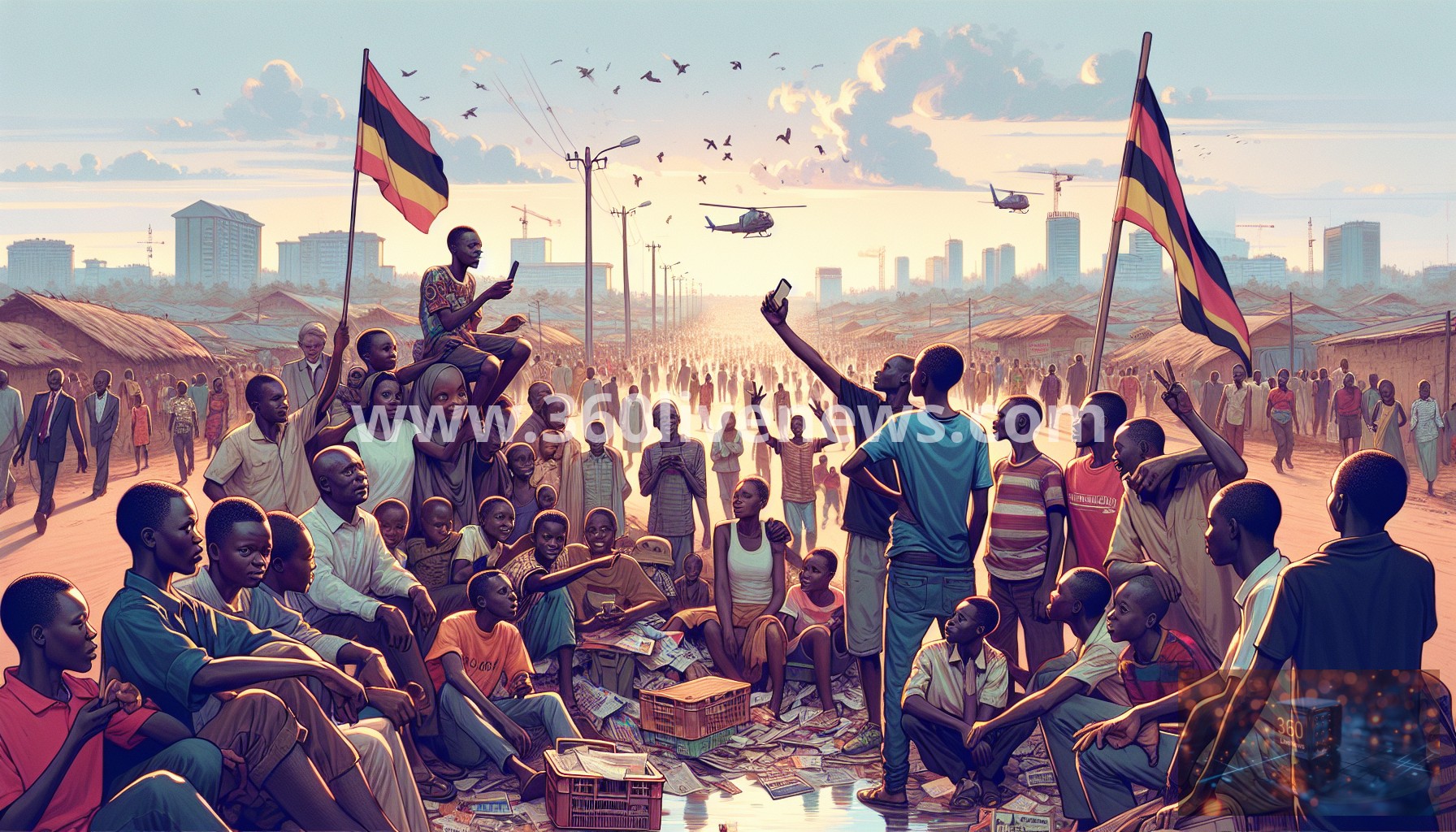
As Uganda approaches its pivotal presidential election, political tensions rise with the country's focus on an 81-year-old leader who has governed for nearly four decades. More than 70 percent of Uganda's populace is under 35 years old, but their frustrations about limited representation and increasing censorship are palpable as the streets of Kampala reflect a blend of resignation and hope.
In an unprecedented move, Uganda's National Communications Authority has suspended public internet access, restricting both registration of new SIM cards and outbound roaming services. This decision has spurred widespread discontent among the youth, who rely on digital platforms such as WhatsApp for communication and economic opportunities. Marvin Masole, a university graduate, expresses this sentiment clearly: "Without internet, we are stuck," highlighting the disparities between a tech-savvy youth and a governing structure that appears disconnected from their aspirations.
The electoral landscape is fraught with complexities, as 21.6 million voters prepare to cast their ballots. Signs of disconnection are evident, with many young voters feeling that their voices are muted under the current political regime, which is characterized by a lack of peaceful transitions of power since independence in 1962. Previous elections have been marred by violence, with reports indicating that election-related clashes led to more than 50 deaths in 2021 alone. The opposition has faced increasing harassment, raising concerns over fair electoral processes.
For some Ugandans, including Scovia Tusabimana, support for President Museveni underscores a generational divide that does not necessarily align with ideological opposition to his leadership. Tusabimana reminisces about the educational reforms and infrastructure improvements initiated under Museveni’s administration. Nonetheless, for many, the internet blackout and increasing violence bring a sense of dread regarding the upcoming election and the potential for unrest.
The narrative of frustration extends to citizens like Okiya Abdul, a former teacher seeking peace and a government that respects the will of the people. As many first-time voters question the efficacy of the electoral process, the radar of safety and security looms large. Sam Muzaale, who operates a food stall, speaks about his aspirations for a more equitable society where healthcare and education are prioritized, a goal that feels distant for many given the current climate.
Amid all this, Masole articulates concerns about the government’s method of maintaining order through military and police force. “I think he will find a way to stabilize the situation,” he says, expressing a common dread that this stability may come at a great cost. This paradox of wanting peace while fearing the tactics employed to achieve it encapsulates the sentiments echoed throughout Kampala.
Meanwhile, 7,000 miles away in the Northern Territory of Australia, disparities of another kind unfold regarding the establishment of Aboriginal Law and Justice Groups. Despite a bipartisan agreement aimed at reducing Indigenous incarceration rates by creating these groups, only five out of the proposed 20 are currently operational. Critics argue that the lack of progress reflects the government’s insufficient commitment to the initiative since it came to power in 2024.
In a community-focused model, Law and Justice Groups are composed of local Indigenous leaders responsible for implementing community courts and promoting public safety. Ben Grimes, from the North Australian Aboriginal Justice Agency, argues that these groups have proven effective in enhancing justice and reconciliation within communities. However, funding has dwindled, prompting concerns over whether the current government truly appreciates the benefits of these initiatives.
Reports highlight crime reductions in areas where Law and Justice Groups have been established, such as Groote Eylandt and Kintore, leading to hopes of replicating this success elsewhere. Elaine Mamarika, an elder from Groote Eylandt, shares her emotions about witnessing the benefits of local justice initiatives. The community has seen a decrease in crime and positive outcomes from the rehabilitation programs initiated by local groups.
Yet, as funding for these groups is curtailed, the path forward appears uncertain. Attorney-General Marie-Clare Boothby remains committed to monitoring group performance while advocating for discussions with federal counterparts to secure future funding. The reality on the ground, however, presents a stark contrast between the ideals of community-driven justice and the bureaucratic challenges impeding progress.
Both Uganda and the Northern Territory face their own unique challenges, each reflecting broader struggles about representation, governance, and community engagement. In Uganda, a generation of young voters awaits the outcome of an election shrouded in uncertainty, while Australia’s Indigenous communities advocate for justice and reconciliation in a landscape marred by underfunding.
The unfolding events in these regions call into question the role of government accountability and the importance of inclusive leadership that resonates with the voices of the young and marginalized. As political dynamics evolve in each context, the hopes of citizens for meaningful change remain steadfast.
#UgandaElections #YouthVoices #IndigenousJustice #PoliticalAccountability
