New Agreement Lowers Tariffs for Chinese Electric Vehicles in Europe
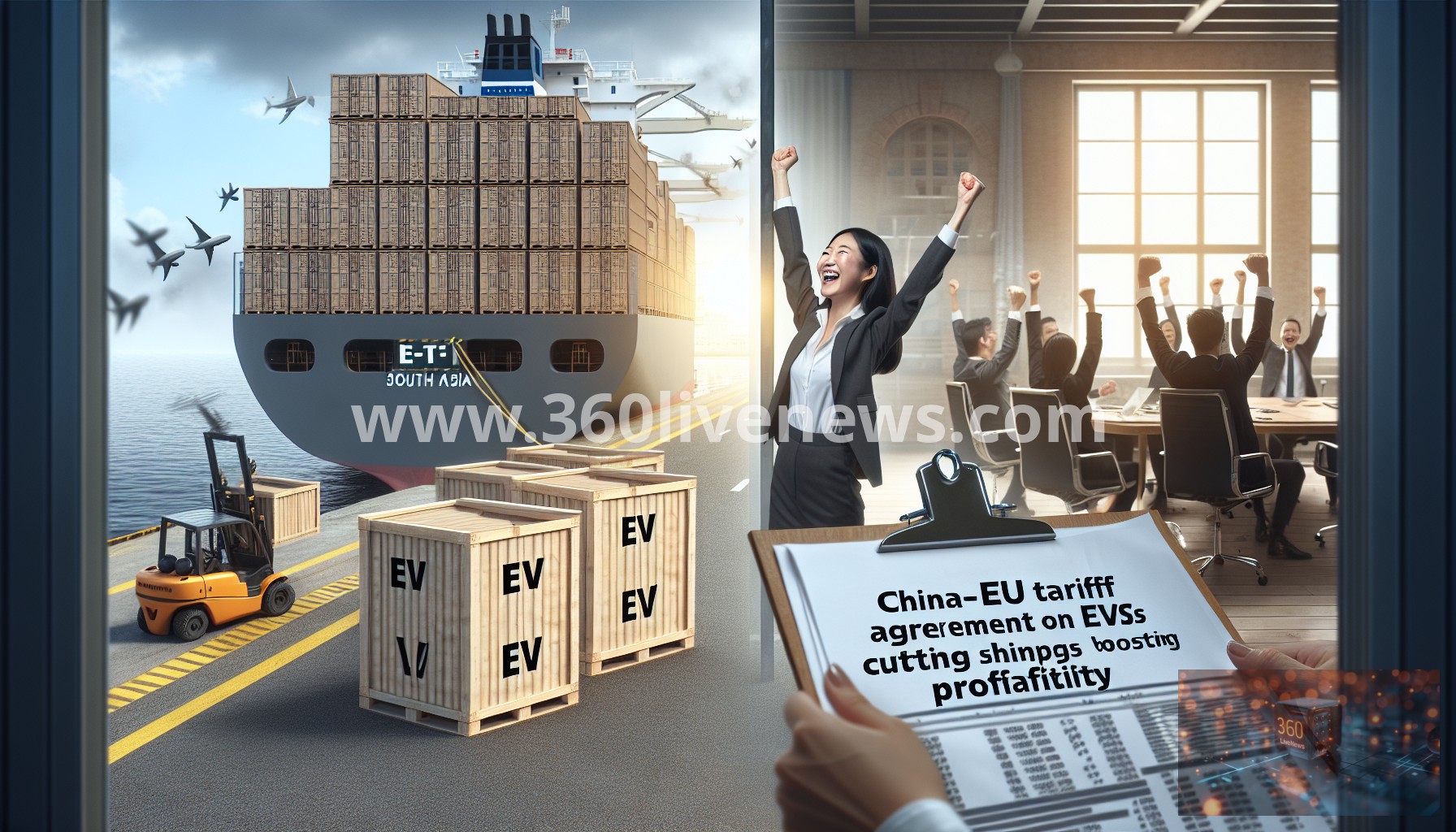
Recent developments have unveiled a significant agreement between European authorities and Chinese electric vehicle (EV) manufacturers, potentially reshaping the automotive landscape in Europe. This new understanding marks a departure from punitive anti-subsidy tariffs that previously could reach as high as 35.3 percent. Analysts suggest that this agreement will avert a price war among mainland carmakers, allowing them to foster their brand reputation more effectively.
Key players in the Chinese electric vehicle market, including BYD and Leapmotor, are expected to benefit from the European Commission's acceptance of their price commitments. Instead of facing steep tariffs, these manufacturers can sell their vehicles at established minimum prices. Deutsche Bank analyst Wang Bin highlighted in a research note that while this may temper the sales of lower-priced small electric cars, it is likely to have a positive impact on BYD, which saw a remarkable nearly fourfold increase in deliveries across Europe last year.
In late 2024, the European Commission imposed tariffs of between 7.8 and 35.3 percent on pure electric cars manufactured in China as a result of extensive anti-subsidy investigations. However, the newly formed agreement has led to the removal of these tariffs. According to the commission’s recent announcement, Chinese EV builders will provide price undertakings aimed at eliminating any injurious effects caused by previous subsidies.
This initiative not only paves the way for smoother market conditions but also encourages Chinese exporters to detail commitments related to annual shipment volumes and future investments in the European market. Such strategies could foster deeper ties between European and Chinese automotive sectors while ensuring that market dynamics remain competitive without resorting to detrimental price wars.
In a parallel context, the situation in Hong Kong has drawn scrutiny regarding the property holdings of newly appointed lawmakers. Among them is Duncan Chiu, who reportedly owns a staggering 54 properties, both domestically and abroad, more than any of his 89 legislative peers. His substantial real estate portfolio raises questions about the intersection of politics and wealth, particularly in a region where the property market is a critical component of the economy.
Chiu, representing the technology and innovation sector, has expressed intentions to potentially sell off some of his international assets, citing geopolitical risks and management challenges. His case is emblematic of a broader trend, as five lawmakers have declared ownership of more than ten properties, and nine have holdings outside of Hong Kong. The Legislative Council mandates that members declare their property interests for transparency and public accountability.
Under recent amendments, lawmakers must disclose detailed information regarding their land and property holdings, enhancing the legislative framework's integrity. This move underscores the efforts of Hong Kong's administration to maintain transparency and accountability among public officials in a rapidly changing political environment.
The stark contrast between developments in the European and Hong Kong markets highlights the broader global dynamics at play. While China is making strides in securing its automotive industry’s foothold in Europe, political figures in Hong Kong are grappling with issues of transparency amidst conflicting interests. As economic policies evolve, the implications for investor confidence and market strategies will likely remain paramount.
These ongoing changes are anticipated to influence both local and international market climates as stakeholders adapt to new rules and challenges. In a world increasingly defined by complex geopolitical relationships and market interdependencies, monitoring such developments will be crucial for businesses and policymakers alike. The intertwining of commerce and governance continues to shape the landscape, making it essential for insiders and observers to stay informed of these shifts.
#ElectricVehicles #China #Europe #HongKongPolitics #Transparency #Geopolitics
