Controversy Surrounds Closure of Medical College in Kashmir
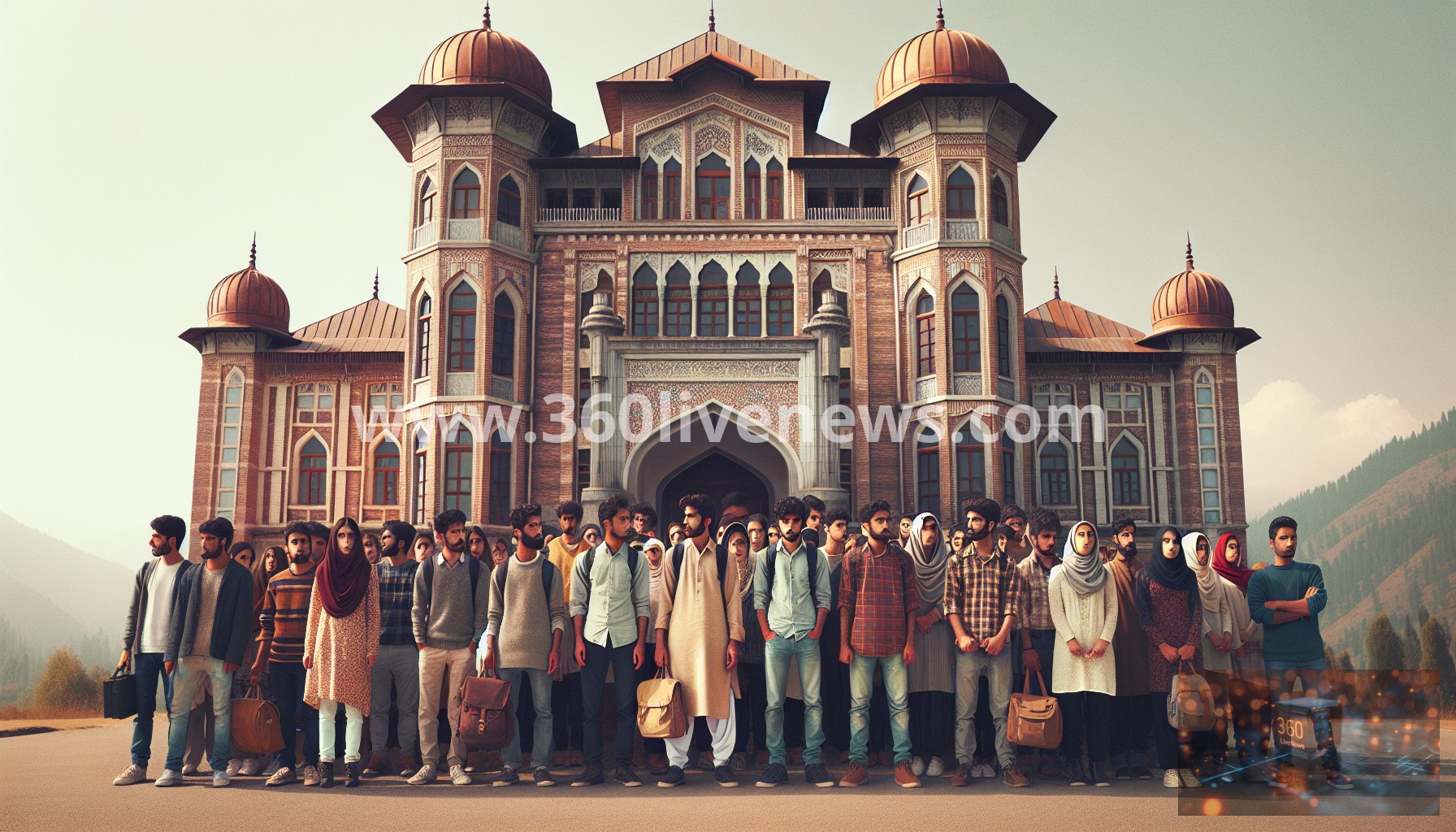
India has taken the controversial step of closing a medical college in Indian-administered Kashmir, following intense protests led by right-wing Hindu groups. The Shri Mata Vaishno Devi Medical Institute (SMVDMI), located near the Pir Panjal range, had recently enrolled an overwhelmingly Muslim student body, prompting protests that culminated in the revocation of the college's accreditation by the National Medical Commission (NMC).
The tensions came to a head when it was revealed that out of the 50 students admitted to the inaugural batch of a five-year Bachelor of Medicine, Bachelor of Surgery (MBBS) program, 42 were Muslims. The college, founded by a Hindu religious charity and partially financed by the government, had sparked a backlash from local Hindu groups who claimed that Muslim students should not benefit from a resource funded by Hindu donations.
The government, which has a long history of regulating medical education through the National Entrance Examination Test (NEET), saw more than two million candidates apply for approximately 120,000 medical seats across India each year. Students often prefer public institutions, where tuition fees are lower, but those not meeting the competitive cutoffs resort to private colleges.
Saniya Jan, an 18-year-old from Baramulla, expressed her dismay at the situation after having achieved her dream of studying medicine. She recalled her excitement upon learning she had passed the NEET, a rigorous centralised examination administered by the National Testing Agency. Saniya chose SMVDMI due to its proximity to her home, a practical decision for many students from the region who often travel great distances for education.
When local Hindu activists discovered the religious demographics of the college's first cohort, they began protests demanding that Muslim students be denied admission. They argued, citing the college's connection to the Mata Vaishno Devi Temple, that the institution should only serve Hindu students. Their demands escalated, leading to petitions from politicians affiliated with the ruling Bharatiya Janata Party (BJP) for the closure of the college altogether.
As protests intensified, the NMC declared on January 6 that it would revoke the college’s accreditation for failing to meet government-defined minimum standards for medical education. The regulatory body cited deficiencies in faculty, bed occupancy, patient flow, and other operational facets. However, students and their families disputed these claims, stating that the institution was well-equipped and functional.
Critically, political analysts have questioned the NMC's rationale, suggesting that any deficiencies should have been detected before the start of classes. Zafar Choudhary, a local commentator, noted the absurdity of claiming infrastructural deficits suddenly emerged following the original approval.
Despite the public outcry around the closure, the BJP insisted that their stance was misrepresented. A party spokesperson stated that the focus of their concerns was on the temple’s contributions, asserting that there was no explicit ban on Muslim students, and framing the issue as a matter of public sentiment rather than religious discrimination.
In response to the situation, Omar Abdullah, the chief minister of Indian-administered Kashmir, vowed that the affected students would not suffer due to the NMC's decision. He promised that they would be accommodated in other local institutions, ensuring their education continued uninterrupted.
Critics of the Hindu groups' campaign argue that their actions threaten to exacerbated religious divides within the region's education system. Nasir Khuehami, head of the Jammu and Kashmir Students' Association, warned that the narrative positing that a college funded by one religious group should only serve students from that group is perilous. He pointed out that many Muslim educational institutions across India do not impose similar restrictions against Hindu students.
Back in Baramulla, Saniya and her fellow students face uncertainty about their educational future, caught between merit and the politics of religious identity. Saniya lamented how her hard work and achievements have been overshadowed by religious considerations, saying, "They turned our merit into religion."
As the political climate continues to evolve, observers remain concerned about the implications for communal harmony and educational equity in Kashmir. The situation reflects broader trends in India, where religion increasingly influences various aspects of governance and societal structure. The closure of SMVDMI highlights not only the local tensions in Kashmir but also the nationwide challenges associated with education, as communities grapple with issues of inclusivity and representation.
#KashmirEducation #MedicalCollegeClosure #ReligiousTensions #StudentRights
