Regional Cooperation Urged Amid Rising Tensions in East Asia
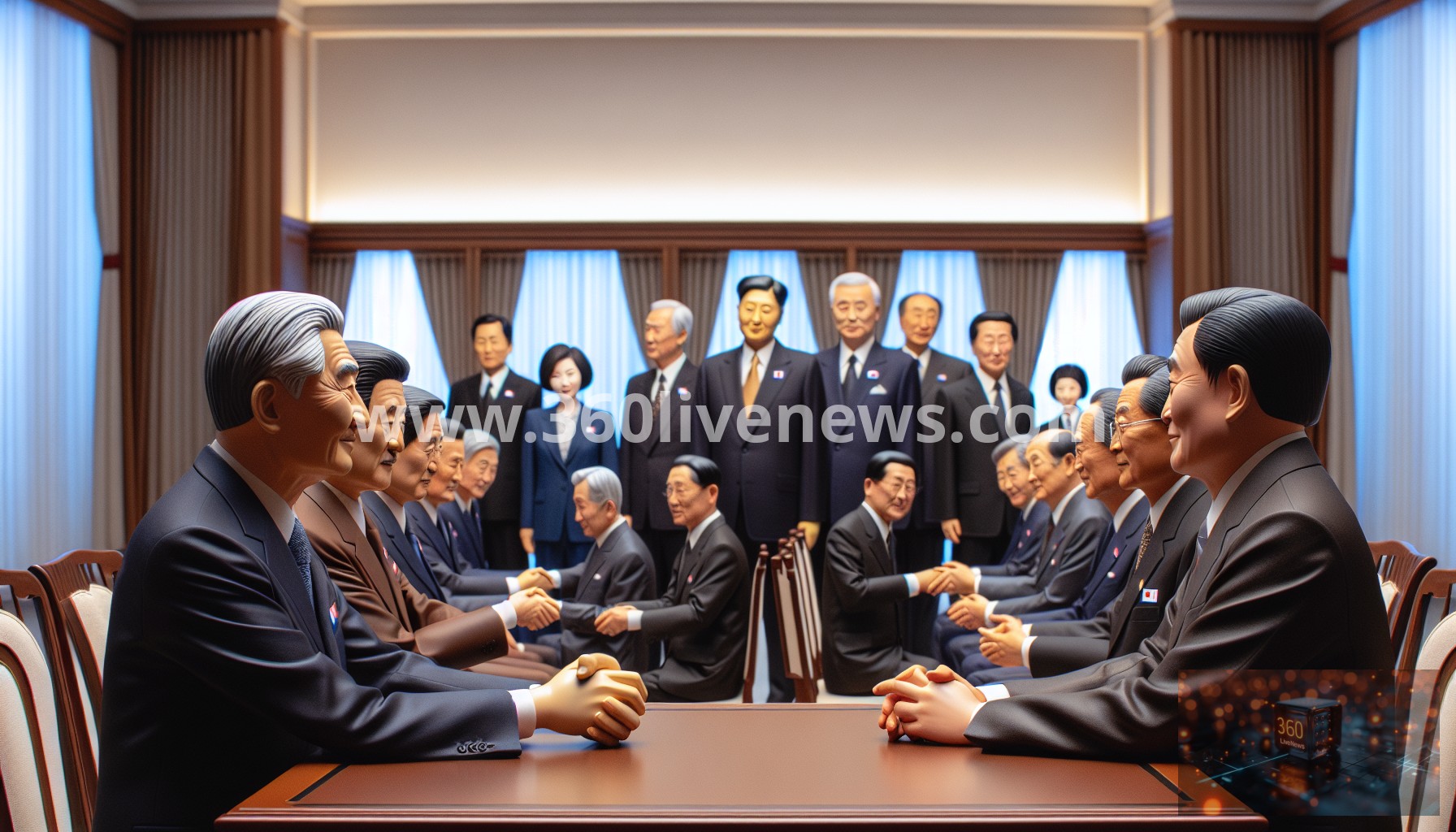
The president has recently undertaken consecutive trips to neighboring countries as tensions continue to mount between China and Japan. During these visits, he emphasized the critical necessity for South Korea and Japan to enhance their collaboration, referring to the present moment as a "pivotal turning point in civilization." This assertion underscores the urgency of diplomatic efforts in light of the complex geopolitical landscape in the region.
Lee, the South Korean leader, articulated a shared understanding with his Japanese counterpart regarding the significance of trilateral cooperation involving South Korea, Japan, and the United States. He asserted that such collaboration is essential for promoting peace and stability in East Asia. Furthermore, he highlighted the necessity for South Korea and Japan to also engage with China, suggesting that identifying common ground among the three nations could facilitate communication and cooperation.
However, Japanese Minister Takaichi focused her remarks on the trilateral partnership among Japan, South Korea, and the US, without explicitly referencing China's role in the regional dynamics. This divergence in messaging reflects the delicate balance of interests in East Asia, where historical grievances and national security concerns often complicate diplomatic relations.
Amid ongoing tensions, Washington seeks to establish itself as the principal mediator in Southeast Asia, particularly following notable mediation successes by China. Analysts suggest that the recent US approach aims to reinforce its influence in the region and counterbalance Beijing's growing clout. Indo-Pacific strategy discussions have become more prominent as the US reaffirms its commitment to ensuring a "safe, secure, and prosperous" area.
DeSombre, a senior official, expressed confidence in the durability of a recent ceasefire agreement, indicating that the US remains firmly focused on promoting regional stability. His comments came in anticipation of meetings with key officials from both South Korea and Japan, aimed at ensuring compliance with the ceasefire and discussing further measures to maintain order in the region.
This proactive US stance reflects broader geopolitical ambitions as the nation seeks to foster alliances and dialogues among regional powers. The evolving dynamics within East Asia are increasingly shaped by historical contexts and current security challenges, necessitating a collaborative approach to issues such as trade, military presence, and diplomatic negotiations.
As the situation develops, the three nations must navigate their complex interrelations while considering the implications of external influences, especially from China. Continued dialogue and a commitment to mutual engagement will be crucial in overcoming historical tensions and ensuring lasting peace.
In conclusion, regional cooperation is essential for addressing the escalating tensions between China and Japan. As diplomatic efforts unfold, the intertwined interests of South Korea, Japan, and the US will play a pivotal role in shaping the future stability of East Asia. #EastAsia #TrilateralCooperation #Geopolitics #DiplomaticRelations #IndoPacific
