Major Drug Seizures and Heightened Tensions in the Gulf Region
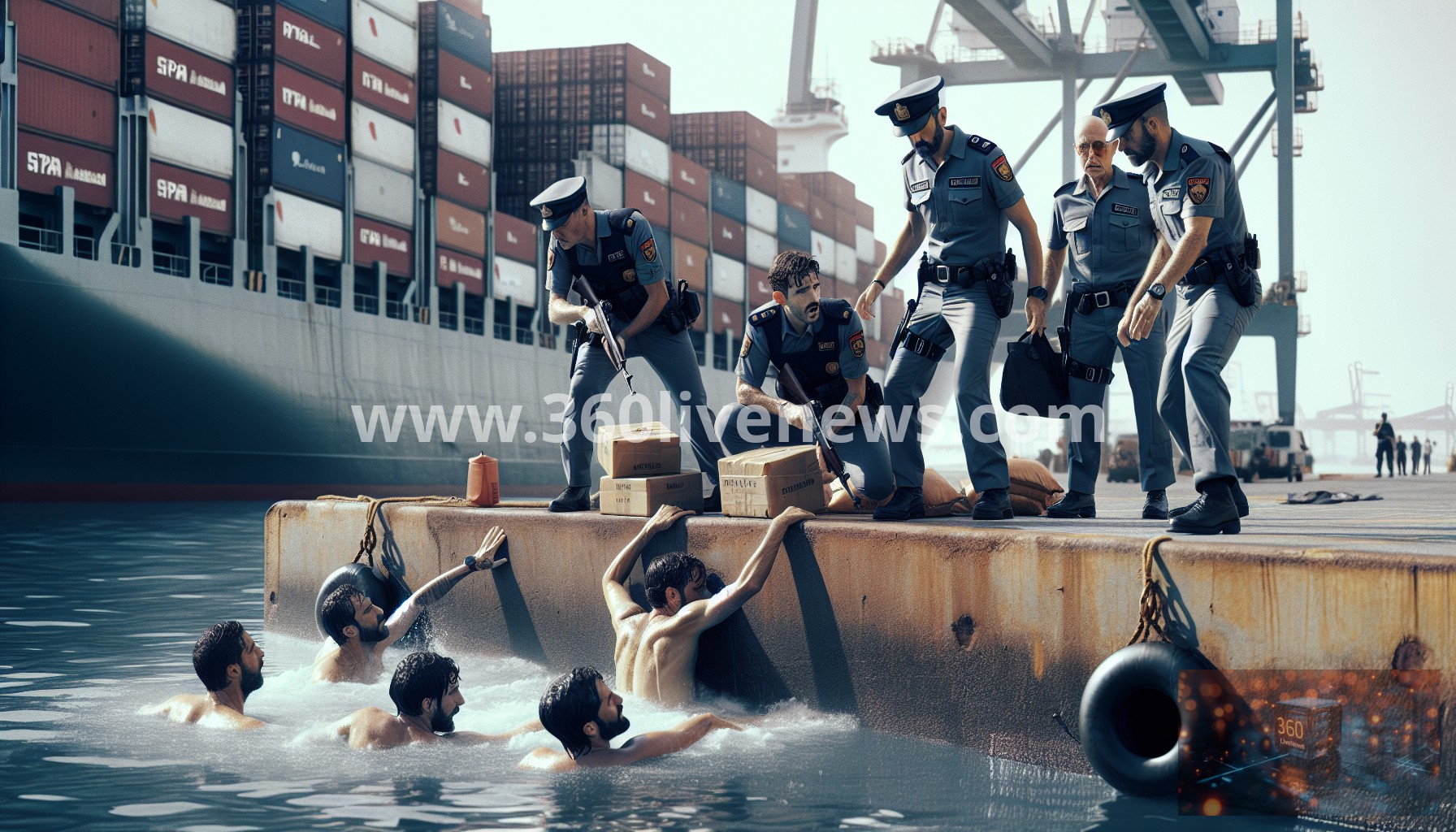
Authorities in Spain have made significant strides in combating international drug trafficking, culminating in the arrest of 30 individuals and the seizure of nearly 2.5 tonnes of cocaine. This operation, lasting 15 months, unraveled a complex network of smugglers who relied on innovative methods to transport narcotics originating from Colombia.
The investigation began in October 2022, when the Policía Nacional discovered 88 kg of cocaine hidden in a vehicle in Mijas, a town in southern Spain. This initial find led to the identification of three organized crime groups collaborating to dismantle extensive cocaine shipments bound for Europe. Authorities noted the involvement of a Balkan cartel operating alongside other organizations.
According to police reports, traffickers employed a technique dubbed the "monkey method." This involved enlisting young and skilled swimmers from economically disadvantaged backgrounds to navigate the seas and quietly transfer drugs onto vessels. Subsequently, some gang members would intercept the ships before they reached the strategically significant Strait of Gibraltar to retrieve the illicit cargo.
An attempt by the network in mid-2022 was thwarted when a ship heading to the port of Cádiz reported stowaways aboard, ultimately leading to the seizure of a container containing 1.4 tonnes of cocaine. The stowaways did not manage to evade capture but were connected to those tasked with retrieving the smuggled goods. In a related incident, a ship passing through waters off Portugal also reported armed individuals onboard, which allowed traffickers to offload hidden drug bundles before escape.
Authorities uncovered further operations where members employed speedboats to implement what they termed the "drop-off" method. This approach involved throwing the drugs from larger merchant ships to smaller crafts, often using military tactics to subdue crews and extract the cargo. Seizing approximately 2,475 kg of cocaine, police also confiscated weapons, 8 luxury vehicles, and over €166,000 in cash alongside high-value watches and jewelry.
In an unrelated yet significant regional development, Qatar has confirmed the relocation of some US military personnel from Al Udeid Air Base amid rising tensions between the United States and Iran. Professor Mehran Kamrava from Georgetown University commented on the situation, emphasizing that these movements reflect prevalent fears regarding potential military escalations.
Qatar’s Ministry of Foreign Affairs has warned that escalating tensions could have catastrophic implications for the region, marking a significant pivot in the already delicate geopolitical landscape. As the largest US military base in the Middle East, Al Udeid holds considerable strategic value, making it a potential target should hostilities escalate.
Kamrava articulated concerns that Iran might pursue retaliatory actions against American interests in the Gulf following increased military pressure and the collapse of its "axis of resistance." He pointed out that Iran's strategic options appear limited, driving them toward more direct confrontations with US forces rather than asymmetric warfare in distant areas.
He warned that should the United States engage in military strikes against Iran, the Iranian leadership would be compelled to respond decisively to avoid undermining their domestic political standing. Drawing parallels to past encounters, such as the assassination of General Qassem Soleimani in 2020, Kamrava noted that Iran’s historical patterns indicate they would seek a substantial and lethal response to any military aggression.
The ongoing protests within Iran, initially sparked by economic hardships and the depreciation of the rial, have evolved into broader expressions of public dissent. Kamrava observed that while pro-government demonstrations appear more prominent, widespread anti-government sentiment is pervasive throughout the nation.
Given these developments, decision-makers are confronted with the stark reality that any military engagement with Iran could result in significant regional instability. Professor Kamrava emphasized the necessity for a careful evaluation of the potential consequences of military action against Tehran, warning of the inevitable retaliatory measures that could lead to a prolonged conflict.
As the global community watches these narratives unfold, the implications of drug trafficking and geopolitical tensions are interlinked, raising concerns over security across Europe and the Middle East alike. Effective collaboration and strategy within international agencies will play pivotal roles in addressing the complexities of drug-related crimes and regional stability going forward.
#DrugTrafficking #GeopoliticalTension #MiddleEast #CocaineSeizure #Iran #USMilitary
