Iran Moves Toward Severing Global Internet Connections Amid Protests
In a troubling development, Iran is reportedly preparing to permanently detach itself from the global internet, according to digital rights activists. This move aims to establish a "government privilege" system, wherein only individuals vetted by the regime would gain access to international online services, as noted by internet censorship experts.
Information from the Turkish-based organization Filterwatch suggests that Iranian authorities have initiated plans that would limit unrestricted internet access, warning that such a restriction would remain in place after 2026. As a result, Iranians would have access only to a domestic internet, cut off from the global information network.
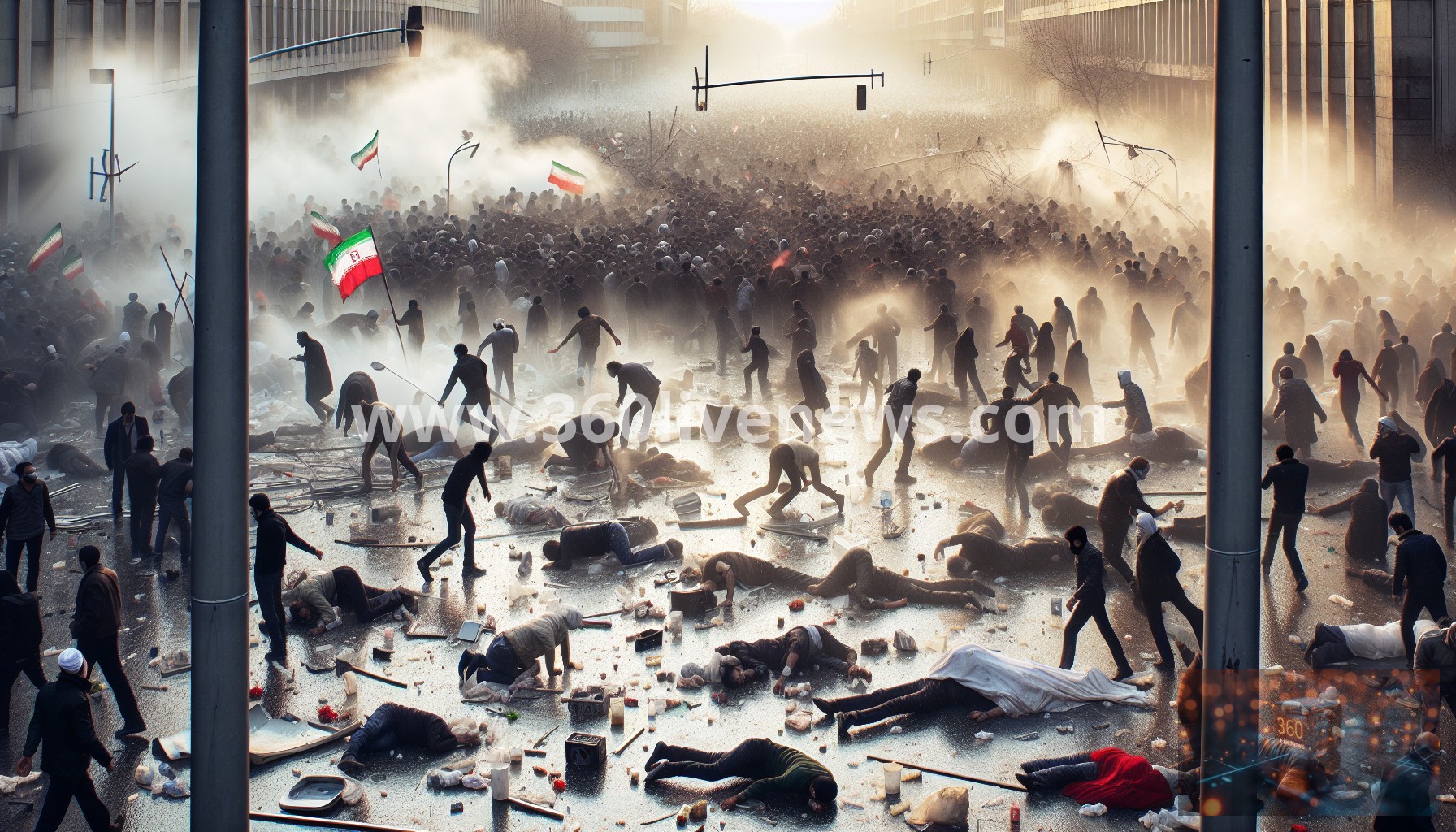
This decision follows a severe internet blackout that began on January 8 amid ongoing anti-regime protests. The Iranian regime's brutal crackdown has resulted in thousands of deaths, and access to information has been substantially hindered by one of the most intensive internet shutdowns recorded in recent times, even surpassing the Tahrir Square protests in Egypt in 2011.
In response to this blackout, former US officials have expressed deep concerns regarding Iran's potential pursuit of a permanent disconnection from global internet connectivity. The financial and cultural ramifications could be severe, impacting Iran's economy and isolating its citizens.
The Iranian government's current approach to maintaining control over internet traffic reflects a long-standing strategy that has been in development for over 16 years. This culminates from an earlier effort to limit access during mass protests following the controversial re-election of then-President Mahmoud Ahmadinejad. The regime has been perfecting a method known as whitelisting, allowing only select individuals to access global platforms.
In addition, the regime has developed a national internet that permits users to engage with specifically curated content. This domestic version has remained operational throughout the protests, effectively marginalizing international communication.
The culmination of these actions is in line with expectations set by state media officials that the internet closures would effectively entrench the government’s authority while limiting outside influence. Yet, the initiative exposes Iranian authorities to potential backlash from their own citizens who could experience financial and personal ramifications as a result.
As protesters demand change, the Iranian government seems to employ innovative technologies, including sophisticated systems capable of monitoring traffic. Iranian activists and rights organizations are raising alarms regarding the emerging digital landscape, which could symbolize a more oppressive future not just for Iran, but for other nations observing this trend.
On the other hand, domestic and foreign political dynamics are adding another layer of complexity. The ongoing protests against the government are stirring fierce debates among opposition figures, particularly concerning the potential return of monarchy under Reza Pahlavi, son of the former Shah. Opinions diverge sharply on whether reinstating a royal figure could represent a viable alternative or merely a step back into a problematic past.
Critics argue that the opposition remains fragmented, with Pahlavi's supporters conflicted over the desirability of a monarchy. Some see his position as a sign of desperation among protesters struggling to unify under a strong political leadership. Pahlavi’s lack of a cohesive strategy amidst rising expectations is creating tension and doubt among his supporters, many of whom still carry the scars of the authoritarian government.
After the significant fallout of the protests, the Iranian populace, significantly traumatized by government violence, finds itself in desperate need of a clear alternative. Political movements have historically revealed the challenges insiders face as they seek to present a united front against the government. The Nobel laureate Narges Mohammadi, currently imprisoned, embodies the moral authority that many wish to mobilize against the regime.
Acknowledging the governance issues and the crippling emotional toll the tumultuous events have taken on the populace, experts argue that the opposition may finally need to come together and devise a more structured and supportive approach to fighting for their rights and freedoms. Without a power structure in place, the nation remains susceptible to divisive tactics from the authorities.
As the call for democratic reforms intensifies, Iranian leaders will have to weigh the long-term implications of their policies, specifically how they choose to address the growing dissent. The global community continues to watch, with particular interest in how internal pressures will shape the future of this pivotal nation.
#Iran #InternetCensorship #Protests #Revolution #Pahlavi #HumanRights
