Over 200 Venezuelan political prisoners begin hunger strike demanding release under new amnesty law
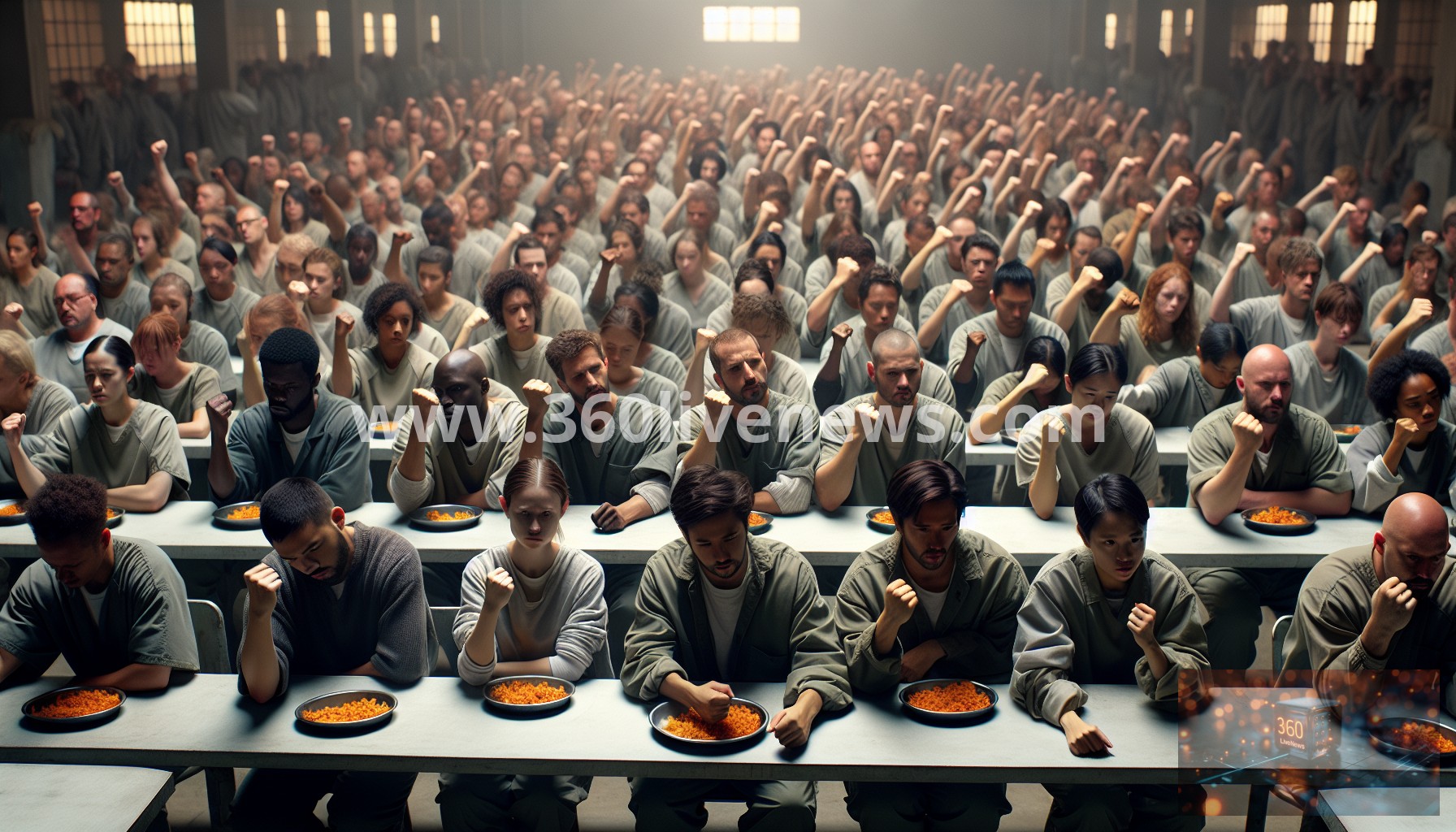
In a significant act of defiance, over 200 political prisoners in Venezuela have initiated a hunger strike, demanding their release under a controversial new amnesty law. The protest began on Sunday at the Rodeo I prison, located approximately 40 kilometers (25 miles) east of the capital, Caracas. The inmates have reportedly shouted messages to their families, expressing their grievances over the amnesty law, which excludes many political detainees, thereby fueling their frustration and desperation for justice.
The hunger strike is an unprecedented challenge to the Venezuelan government amidst the ongoing political crisis marked by widespread allegations of human rights abuses and unlawful incarcerations. This mass protest highlights the growing discontent within the prison system, where inmates often face harsh conditions and limited access to basic needs. The shift towards hunger strikes as a form of protest signals a pivotal moment for political prisoners, as their demands for recognition and release gain visibility both domestically and internationally.
Official government statements regarding the hunger strike remain sparse. However, the Venezuelan government has consistently denied allegations of political repression. The amnesty law, which some critics argue is designed more for appeasement than genuine reform, excludes various key figures who have been imprisoned for their opposition to President Nicolás Maduro’s regime. The implications of not granting amnesty could further escalate tensions between the government and both local and international human rights organizations.
This hunger strike comes at a time when Venezuela is grappling with a profound economic crisis characterized by hyperinflation, food shortages, and a mass exodus of citizens seeking better living conditions abroad. Political instability has been exacerbated by the Maduro government's difficult relationship with international powers, particularly the United States, which has imposed sanctions on Venezuela to pressure the regime regarding human rights and democratic reforms.
Historically, human rights violations in Venezuela have drawn criticism from entities such as the United Nations and the Organization of American States. In previous incidents, political prisoners have used hunger strikes as a tool to draw attention to their plight, aiming to compel the government to negotiate their release or address their treatment within the penitentiary system. This incident is reflective not only of the dire conditions faced by political prisoners but also of the wider human rights landscape in Venezuela.
The backdrop of this hunger strike is essential for understanding its implications. Venezuela's international relations have been severely strained due to the regime's approach to dissent and governance. Negotiations for better conditions or diplomatic engagement have often stalled as international entities await systemic changes within the Maduro government. The current situation lends itself to a broader analysis of global human rights standards versus national sovereignty, especially within Latin America, where democratic governance has faced various challenges.
The repercussions of this hunger strike extend beyond individual cases, as it reflects larger institutional failures in Venezuela's political and judicial systems. As protests mount and international scrutiny intensifies, the government may find itself increasingly isolated. Critics have argued that unless the regime demonstrates a commitment to addressing these human rights concerns, the risk of unrest and civil disobedience will likely remain high.
Experts emphasize the potential for this hunger strike to spur further activism both at home and abroad. The plight of political prisoners often resonates with human rights advocates worldwide, and as awareness grows, calls for international solidarity with these inmates could gain traction. Moreover, the diplomatic ramifications associated with Venezuela's treatment of its political prisoners may influence foreign policies directed toward the region, particularly regarding the role of sanctions and international diplomacy.
In conclusion, the ongoing hunger strike by political prisoners in Venezuela signals deep-rooted issues within the country’s governance and human rights practices. As this situation unfolds, it will remain critical for local and international stakeholders to monitor developments, bearing in mind the implications for political reform and the pursuit of justice in Venezuela.
#Venezuela #PoliticalPrisoners #HungerStrike #HumanRights #Caracas #NicolasMaduro #USSanctions #InternationalRelations
