Violence in Mexico Surges Following Death of Cartel Leader El Mencho, Leaving 73 Dead in Military Operation
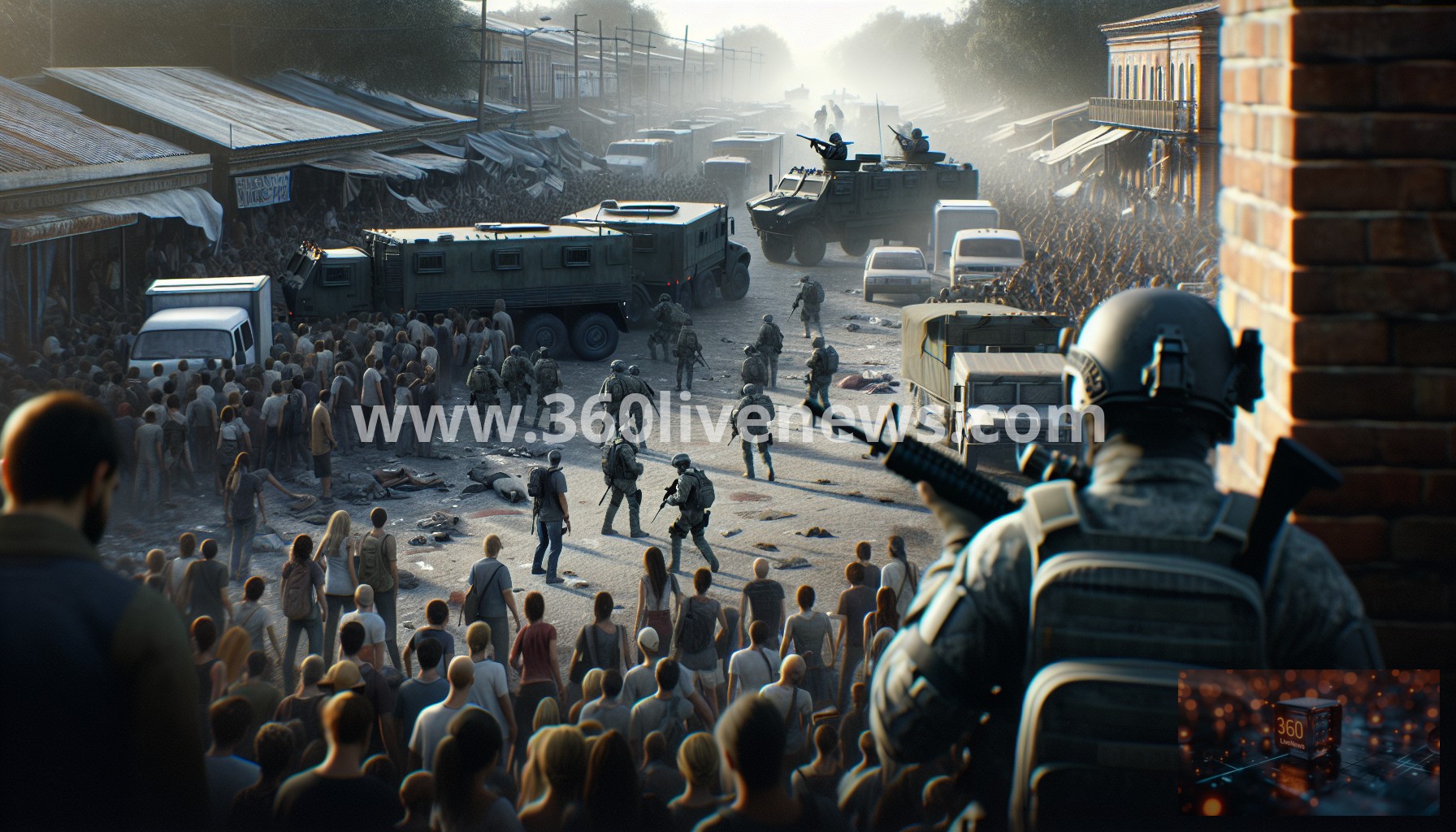
In recent days, Mexico has been engulfed in violence following the death of notorious cartel leader Nemesio Oseguera Cervantes, widely known as "El Mencho." Authorities have confirmed that at least 73 individuals, including security forces, confirmed cartel members, and bystanders, lost their lives during a military operation aimed at capturing Oseguera in his home state of Jalisco. The violent aftermath of this operation has raised substantial concerns about escalating reprisals from the Jalisco New Generation Cartel (CJNG), the organization that he led.
Oseguera Cervantes was targeted during a retroactive operation led by the Mexican military, which took place in the rural region of Tapalpa, Jalisco. According to Mexican Defence Secretary Ricardo Trevilla, authorities traced one of Oseguera's romantic partners to his hideout, which ultimately led to the confrontation. The shoot-out reportedly erupted at the site, resulting in Oseguera's death. Officials indicated that the violence did not end with his demise, as widespread unrest quickly unfolded across Mexico, particularly in regions controlled by the CJNG.
The violent response to Oseguera’s death has left many streets charred, as vehicles were set ablaze and roads were blockaded, particularly in areas where the CJNG exerts significant influence. Eyewitness accounts and local media reports describe a chaotic scene as residents tried to navigate their way through burning barricades, with officials yet to confirm the specific circumstances surrounding each of the casualties.
Among the dead are members of the Mexican Army and local law enforcement, signifying the intense nature of the confrontation as the military engages in direct conflict with cartel forces. The scope of violence linked to this operation raises questions regarding the safety of local populations and the capacity of the Mexican government to manage gang violence that has plagued the country for years. In this particular incident, officials have acknowledged a correlation between Oseguera’s elimination and a potential new wave of violence directed at both authorities and civilians.
El Mencho was a pivotal figure in the rise of the CJNG, which has been implicated in extensive drug trafficking operations, particularly for substances such as fentanyl and methamphetamine destined for the United States. The cartel has nurtured a reputation not only for its significant role in the drug trade but also for its violent tactics and brazen attacks against public officials. Under his leadership, the CJNG has progressed into one of the most powerful criminal organizations in Mexico, rivaling other notorious groups like the Sinaloa Cartel.
The ongoing battles between Mexican authorities and narco-terror organizations like the CJNG not only highlight the persistent issues of law enforcement but also the broader implications for governance and public safety. Observers note that traditional approaches to combat drug cartels have often resulted in backlash against civilians and law enforcement, perpetuating a cycle of violence and instability in affected regions.
Official statements from the Mexican government underscore their commitment to tackling organized crime, although the recent surge in violence raises doubts about effective strategies to curb cartel activities. International cooperation, notably with the United States, remains an integral component of Mexico's approach to dealing with transnational drug trafficking, as both nations grapple with the consequences of illegal drug trade.
As the situation continues to evolve, key questions remain about the future of the CJNG following El Mencho’s death. Analysts report that new leadership may emerge within the cartel, potentially leading to an even more violent power struggle as factions vie for control. Moreover, the broader implications of this incident speak to longstanding issues of governance, state authority, and human rights that plague many communities afflicted by cartel violence.
The violent aftermath of El Mencho's death encapsulates the challenging landscape that defines modern Mexico. The increase in violence, following his removal, serves as a reminder of the resilience and retaliatory nature of organized crime in the region. As local and federal authorities brace for potential escalations in violence, the reality for Mexican citizens in regions affected by cartel violence remains dire.
#Mexico #DrugLord #Cartels #ElMencho #Crime #Violence #Jalisco #OrganizedCrime
