Northeastern US blizzard prompts state of emergency declarations in seven states, with snowfalls exceeding 90 centimetres
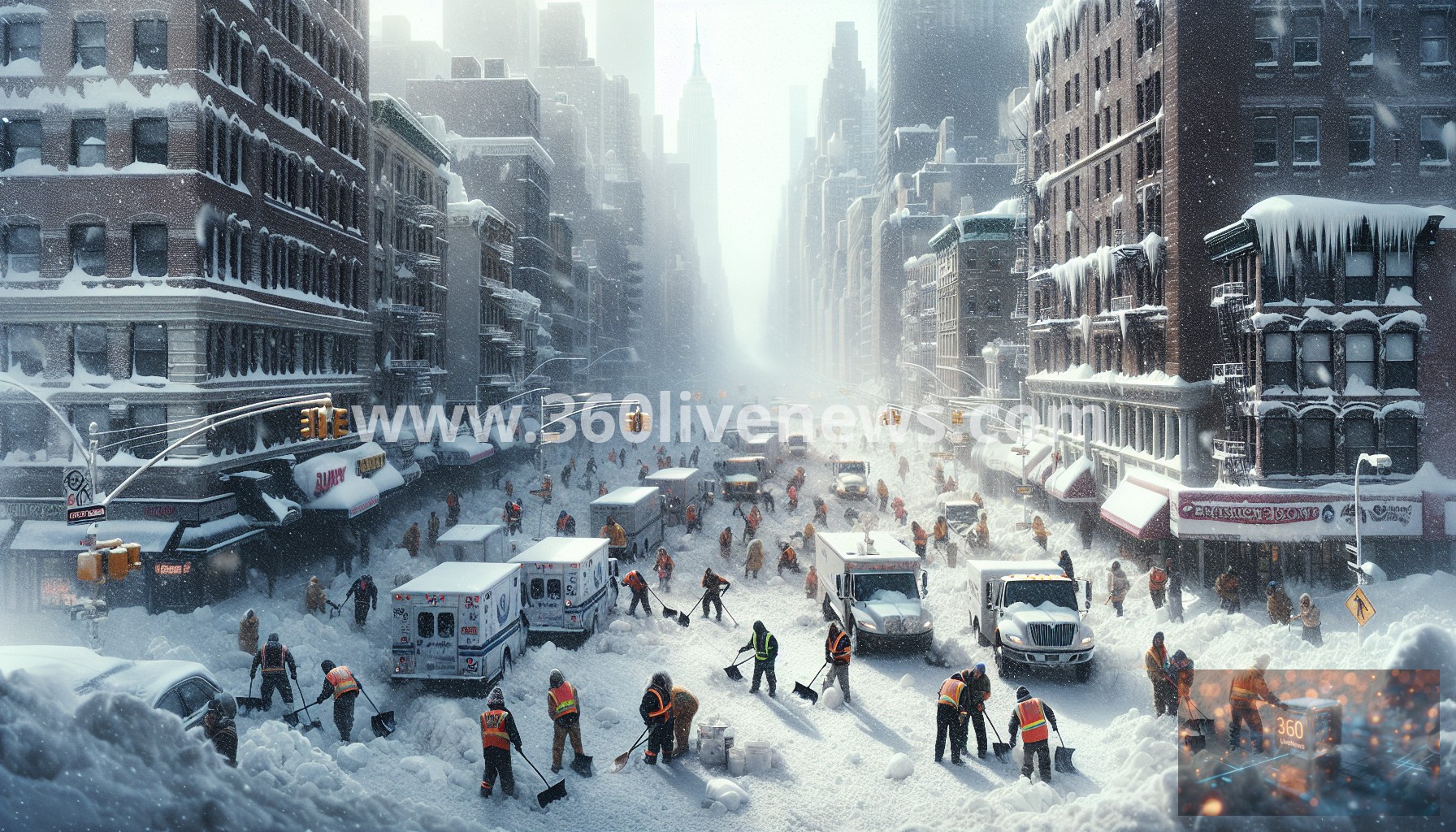
A powerful blizzard has wreaked havoc across several states in the northeastern United States, prompting declarations of states of emergency in at least seven states, including New York and Pennsylvania. Meteorologists are calling this storm the strongest seen in a decade, with parts of the region experiencing snowfalls exceeding 90 centimetres. With public transport shut down and schools closed, the scale of the disruption is significant and affecting millions.
As reported, the blizzard has already resulted in record-breaking snowfall totals across the region. In some areas, such as parts of Rhode Island and Massachusetts, snowfall has reached nearly 37 inches (about 94 cm). In New York City's Central Park, accumulations have surpassed 19 inches (around 48 cm) according to the National Weather Service. The situation has been further complicated by widespread power outages affecting over 600,000 homes and businesses, with New Jersey and Massachusetts facing particularly severe disruptions.
In response to the crisis, New York city officials announced the hiring of emergency snow removal crews to assist in the massive cleanup efforts. The work is being coordinated to clear the heavy snow that brought essential city services to a standstill. Public transport shut down across New York and the surrounding areas, paralyzing urban travel. Similar conditions prevailed throughout various regions in the northeastern U.S., where winter storm warnings were issued stretching from North Carolina to Maine.
The impact of the storm has not been limited to ground transportation; over 7,400 flights have been canceled due to the adverse weather conditions. Major airports, including those in New York and Boston, have been severely affected, causing major delays and confusion for passengers. Airlines have struggled to keep up with the demand for rescheduling flights, adding to the chaos as people attempted to navigate this unprecedented disruption.
City officials have labeled current travel conditions in New York as "nearly impossible," as road closures have become rampant due to the sheer volume of snow and treacherous driving conditions. Road safety agencies have advised against all non-essential travel, urging residents to stay indoors until conditions improve. The National Weather Service has suggested that heavy snowfall could persist throughout the day, with forecasts indicating an additional foot to two feet (about 61 cm) of snow through Tuesday morning in certain coastal areas.
This blizzard follows several earlier winter storms that have affected the region, but the current event is marked by its intensity and vast scale. The meteorological conditions leading to this storm have been attributed to a potent combination of cold air and moisture sweeping across the region, setting up ideal conditions for heavy snowfall. The severe weather underlines ongoing challenges posed by winter conditions in the northeastern U.S.
As states have mobilized emergency resources to deal with the crisis, such agencies as the Federal Emergency Management Agency (FEMA) have been put on alert to assist with recovery efforts. This response highlights the importance of coordinated action between federal, state, and local authorities during extreme weather events. Officials are urging residents to keep updated on weather advisories and to prepare for extended disruptions to services and travel.
The broader implications of this blizzard are significant, not only for the immediate region but also for national transportation networks and economic activities. As communities dig out from this storm, the potential economic impact of such severe weather on short-term productivity cannot be overlooked. The disaster also places further pressure on local government budgets, which must account for emergency expenditures during and after such incidents.
This event underscores the importance of climate resilience strategies in urban planning and disaster response management in the context of growing climate variability. Both policymakers and emergency planners will be closely analyzing the fallout from this storm, as historical precedent suggests that winter storms are becoming both more challenging and costly over time. Effective responses depend on timely data, regional coordination, and public compliance with safety advisories to mitigate risks.
#Blizzard #Northeast #Snowstorm #NewYork #EmergencyServices #FEMA #FlightCancellations #WeatherWarnings
