Malaysian police arrest student for suspected desecration of the Koran amid rising social unrest and concerns over religious sensitivities
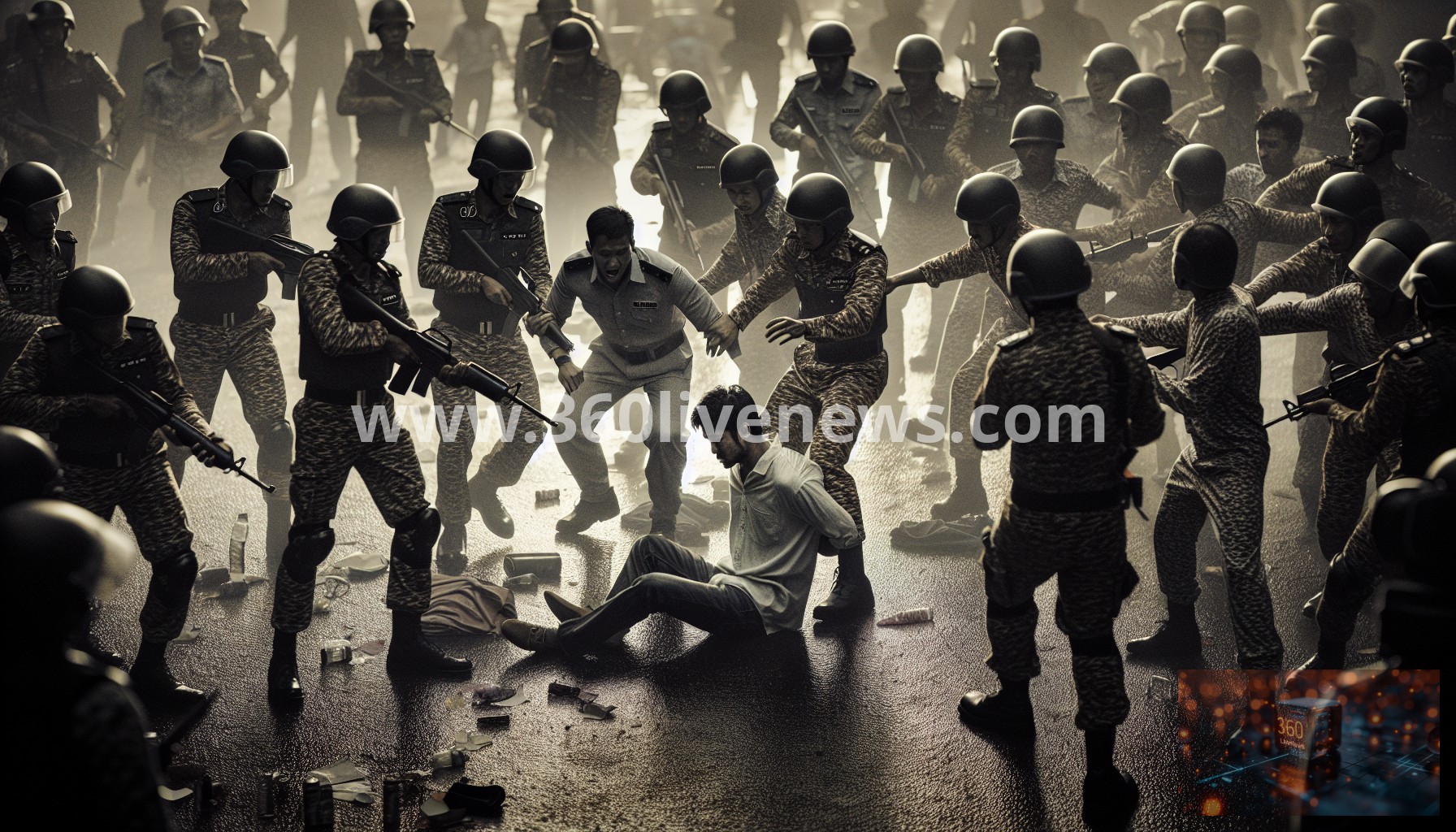
In a significant incident that has ignited social unrest, Malaysian police have arrested a student suspected of desecrating the Koran. This follows a viral post on the Threads platform that reportedly shows a man stepping on the holy book, accompanied by screenshots of comments deemed insulting to Prophet Muhammad. The situation has raised serious concerns regarding religious sensitivities and public order in Malaysia.
Malaysian authorities have responded swiftly. The Minister of Communications and Digital, Fahmi Fadzil, announced that strict enforcement measures would be taken under the Communications and Multimedia Act 1998. He emphasized that actions undermining religious harmony would not be tolerated. In his statement, he affirmed that the Malaysian Communications and Multimedia Commission (MCMC) had been directed to work closely with law enforcement to ensure a decisive response to such provocations. The urgency of these actions reflects the government's commitment to maintaining public order amidst rising tensions.
The incident has drawn substantial public outrage, illustrating the fragility of religious peace in Malaysia, which is known for its diverse society comprised of various ethnic and religious groups. This diversity, while culturally rich, has often been tested by incidents perceived as disrespectful to Islam, the state religion. Previous incidents of similar nature have led to significant court cases and public protests, highlighting the delicate balance the Malaysian government seeks to maintain.
Within this broader context, Malaysia has a history of strict regulations concerning freedom of expression as it pertains to religion. The Communications and Multimedia Act is often invoked to address online content that could incite racial or religious discord. This framework reflects ongoing tensions surrounding free speech and religious sentiment, especially in a nation where over 60% of the population identifies as Muslim. The legal response to the desecration incident is a clear indication of the government’s priority to protect religious sentiments as part of its national policy.
The person arrested has not yet been publicly identified, but the authorities are believed to be preparing additional charges, potentially raising the stakes for the accused. The case underlines the role of social media in modern communications and highlights how rapid dissemination of information can invoke immediate government action. The removal of offensive content and prosecution of the individual involved illustrates the tightrope on which digital freedom and respect for religious feelings balance.
The backlash against this incident serves not only as a reflection of public sentiment but also as a commentary on Malaysia's political landscape, where the ruling government often seeks to reaffirm its commitment to Islam. In the past, leaders have utilized public outrage over religious issues to consolidate support among the majority Muslim electorate, thereby influencing the political narrative within the country.
Meanwhile, religious leaders, social actors, and political commentators have weighed in on the implications of such incidents. They argue that addressing issues swiftly is essential for maintaining social harmony. However, there is also a call for a broader dialogue on freedom of expression and how it can coexist with respect for religious beliefs. The tension between these two principles remains a significant challenge for Malaysia's democratic development.
As investigations proceed, observers and citizens alike will be closely watching how the Malaysian authorities navigate this increasingly complex situation. The repercussions of their actions will likely extend beyond this incident and could shape future discourse on the balance between religious respect and the right to free expression. The government's strategy in tackling the issue of online content concerning religion will particularly be scrutinized, marking it as a pivotal moment in Malaysian legal and social dynamics.
The case highlights not only domestic implications but also puts a spotlight on Malaysia's approach to managing religious issues, which could resonate regionally in Southeast Asia, where nations are grappling with similar challenges regarding freedom of speech and religious tolerance. The response to this arrest could serve as a benchmark for how Malaysia manages its ethnic and religious plurality in an increasingly interconnected world.
#Religion #Malaysia #FreeSpeech #SocialMedia #PublicOrder #CommunicationsAct #Koran #ReligiousTension
