German Chancellor Friedrich Merz addresses trade concerns during diplomatic visit to Beijing
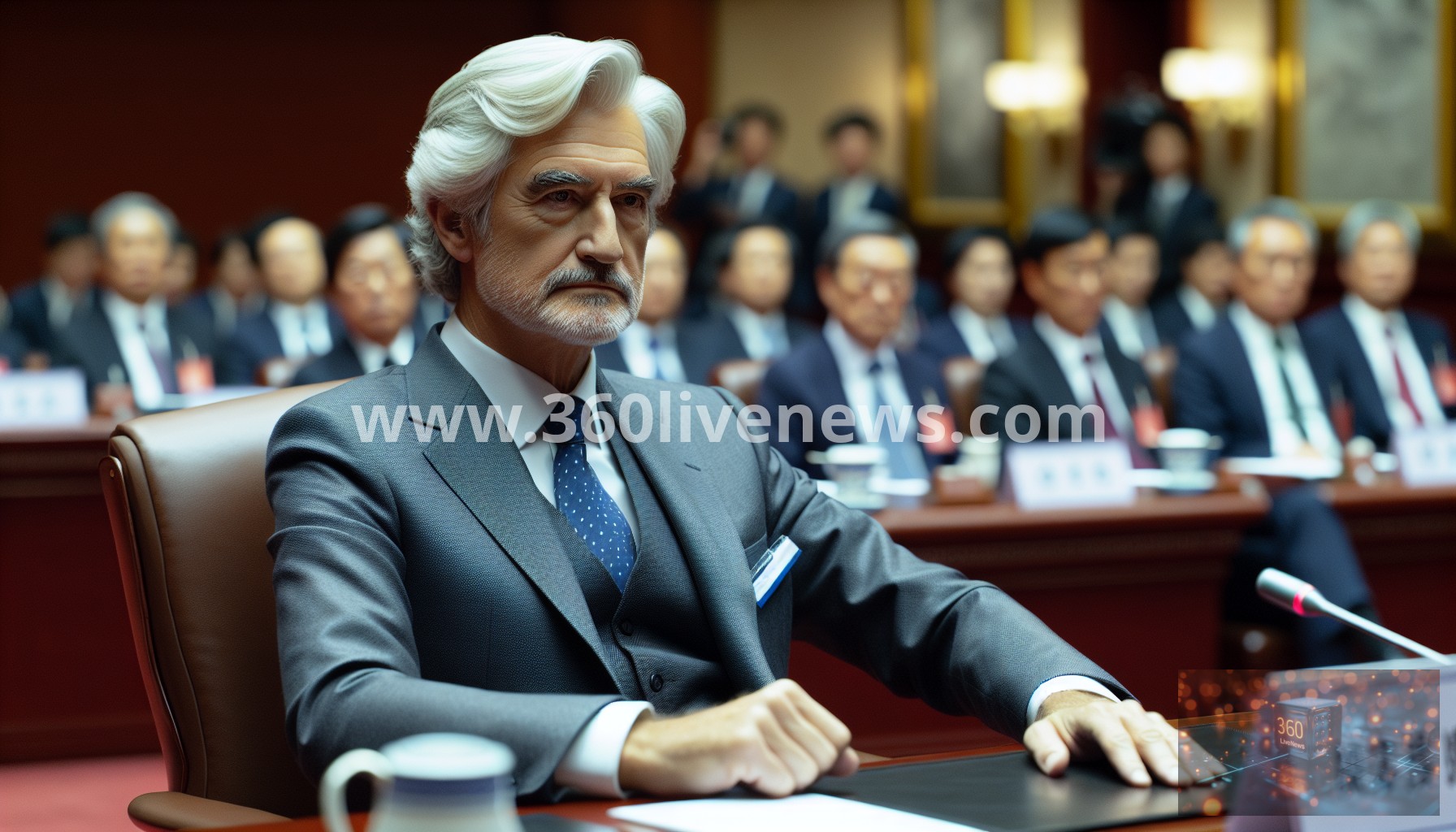
On a recent diplomatic visit to Beijing, German Chancellor Friedrich Merz communicated frank concerns regarding trade practices, seeking to address ongoing tensions in the economic relationship between Germany and China. This visit was presented as a significant occasion for strengthening bilateral ties; however, Merz utilized the opportunity to voice serious grievances about issues such as market access and fairness in trade practices.
Merz's remarks come at a time when Germany, as Europe's largest economy, is increasingly scrutinizing its dependencies on Chinese manufacturing. The Chancellor stressed the need for a more balanced trade environment, urging Chinese leaders to reconsider policies that disadvantage foreign businesses. Merz's visit follows a broader sentiment in the European Union regarding the need for strengthened trade self-reliance amidst growing concerns over economic coercion and geopolitical reliability.
The backdrop to Merz's visit included mounting frustrations in Europe regarding China's economic policies. Reports indicate that European businesses have faced significant barriers to entering Chinese markets, which has prompted calls for a reevaluation of trade agreements. Germany, alongside other EU nations, aims to create a more equitable trade framework that aligns with European interests while addressing challenges posed by state-driven capitalism in China. Learn more about Germany's economic policies in its global trade strategy and initiatives.
The timing of this diplomatic endeavor is critical as it coincides with a broader reassessment of international relations. Analysts suggest that Merz's statements may indicate a shift toward a more hardened stance on economic ties with China. Historical context reveals that previous administrations have been seen as more accommodating, but recent global economic disruptions have prompted a more cautious approach among European leaders. Continuous dialogue and negotiation will be essential to maintain functioning economic relations.
Additionally, Merz's visit reflects Germany's strategic shift as it seeks to bolster alliances within Asia, particularly considering its historical trade relations with Japan and South Korea. With increasing attention towards countering economic risks associated with over-reliance on any single market, Germany's leadership is navigating complex geopolitical dynamics in an era marked by rising tensions and competition. Experts suggest that fostering relations with alternative trade partners could be pivotal for ensuring economic stability.
The significance of Merz's message extends beyond immediate trade concerns, touching on broader geopolitical narratives. In the past few years, the prevailing discourse around Germany and China's relationship has shifted significantly. Factors such as human rights violations in China, ongoing tensions in the South China Sea, and China's increasing assertiveness on the global stage have led to heightened scrutiny of the partnership. Merz's approach signals a potential reevaluation of how Germany positions itself in regional and global governance.
Merz’s frank discussions in Beijing spotlighted the necessity of transparency and reciprocity in economic engagements. He emphasized that the future of Germany-China relations hinges on China's willingness to engage in fairer practices. By prioritizing open communication channels, both nations can work towards resolving existing grievances while fostering a collaborative approach to mutual economic benefits. How these discussions unfold will likely shape the future trajectory of bilateral relations.
In conclusion, Merz's visit to China, marked by candid exchanges about pressing economic disparities, represents a pivotal moment in Germany's foreign policy. His challenges to Chinese leaders may serve to realign expectations and set the stage for new frameworks governing trade relations. The implications of this visit extend beyond mere economics to impact diplomatic ties across Asia and Europe.
#Germany #China #FriedrichMerz #Trade #EU #InternationalRelations #Economy #Diplomacy
