US Allows Resale of Venezuelan Oil to Cuba to Address Fuel Shortages
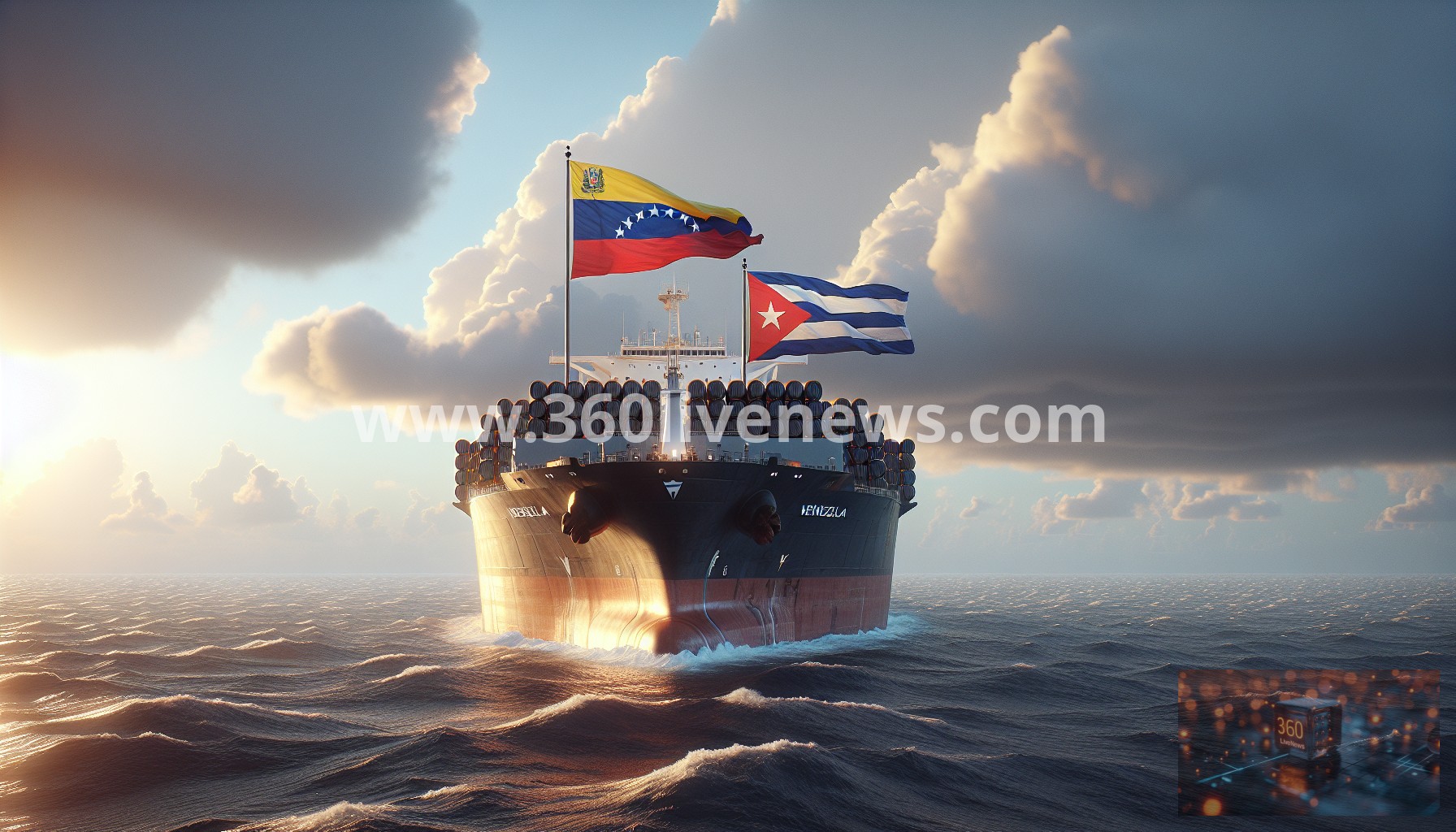
The United States has recently announced a significant policy shift, allowing the resale of Venezuelan oil to Cuba in an effort to address the island’s critical fuel shortages. This change, which comes amidst rising concerns from neighboring Caribbean nations about the worsening humanitarian situation, marks a notable alteration in US foreign policy. The announcement was made by the US Department of the Treasury, indicating a favorable licensing framework for companies wishing to engage in oil commerce for humanitarian purposes.
According to the Treasury’s statement, the new policy aims to facilitate humanitarian and commercial oil sales from Venezuela, specifically targeting the needs of the Cuban populace. However, this approach explicitly excludes any entities associated with the Cuban military, intelligence services, or other governmental institutions, ensuring that any oil resold focuses on civilian needs. This development is crucial as Cuba has faced escalating difficulties in securing fuel supplies, significantly impacting day-to-day life on the island.
Until recently, Venezuelan oil was a critical resource for Cuba, provided through a long-standing bilateral agreement that underpinned their economic relationship for many years. The two nations had relied heavily on a barter system,Venezuela supplying crude and fuel in exchange for services and products from Cuba. However, the recent geopolitical upheaval, particularly the US's abduction of Venezuelan President Nicolás Maduro, disrupted this supply chain significantly, leaving Cuba struggling to cope with acute fuel shortages.
Regional responses to this act have varied, with neighboring Caribbean countries expressing concerns that the humanitarian crisis in Cuba could destabilize the region. The US’s oil embargo has been seen as a contributing factor to this crisis, prompting leaders in countries such as Jamaica and the Dominican Republic to raise alarms about potential spillover effects. Their fears hinge on the possibility that Cuba could face escalating civil unrest due to fuel scarcity and humanitarian distress.
The easing of the oil embargo comes as part of a broader US strategy to navigate complex relationships with both Venezuela and Cuba, which have faced significant sanctions and international isolation for various reasons. By allowing controlled sales of Venezuelan oil to Cuba, the US seems to be attempting to strike a balance between maintaining pressure on the Cuban government while also mitigating humanitarian issues that could exacerbate regional instability.
Historically, US-Cuba relations have been characterized by tension and conflict since the Cold War, marked by events such as the Bay of Pigs invasion and the Cuban Missile Crisis. Additionally, Venezuela and Cuba have maintained a close alliance dating back to the presidency of Hugo Chávez, who sought to bolster Cuba's economy with subsidized oil exports. The current US policy shift could lead to a reevaluation of the broader geopolitical dynamics in the Caribbean, wherein traditional alliances are challenged by economic necessity.
Experts weigh in on the implications of this adjustment, suggesting that it might signal a strategic move to improve US relations with other Caribbean nations that have been increasingly vocal about their concerns regarding the effects of American sanctions on Cuba. There is speculation that enhanced humanitarian access to oil might ease some of the economic pressures that have built up in Cuba, potentially allowing for social stability in the region.
Looking ahead, the ability of the US to regulate the flow of Venezuelan oil to Cuba will likely hinge on developments in Venezuelan domestic politics, particularly any shifts in leadership or policy direction following Maduro's controversial removal. As the situation unfolds, the effectiveness of the new licensing policy will be closely scrutinized by both regional analysts and international observers.
This measure underlines the increasingly complex landscape of energy politics in the Americas, fraught with challenges related to sanctions and humanitarian needs. It raises critical questions about how the United States will navigate its foreign policy objectives in a region where direct intervention has historically had mixed results. For now, all eyes remain on the Caribbean as the ramifications of this new policy are felt across national borders.
#Cuba #Venezuela #USForeignPolicy #HumanitarianCrisis #Embargo #Caribbean #OilSupply #NicolasMaduro
