US and Iran in critical negotiations in Geneva over Tehran's nuclear program amid rising military tensions in the Middle East
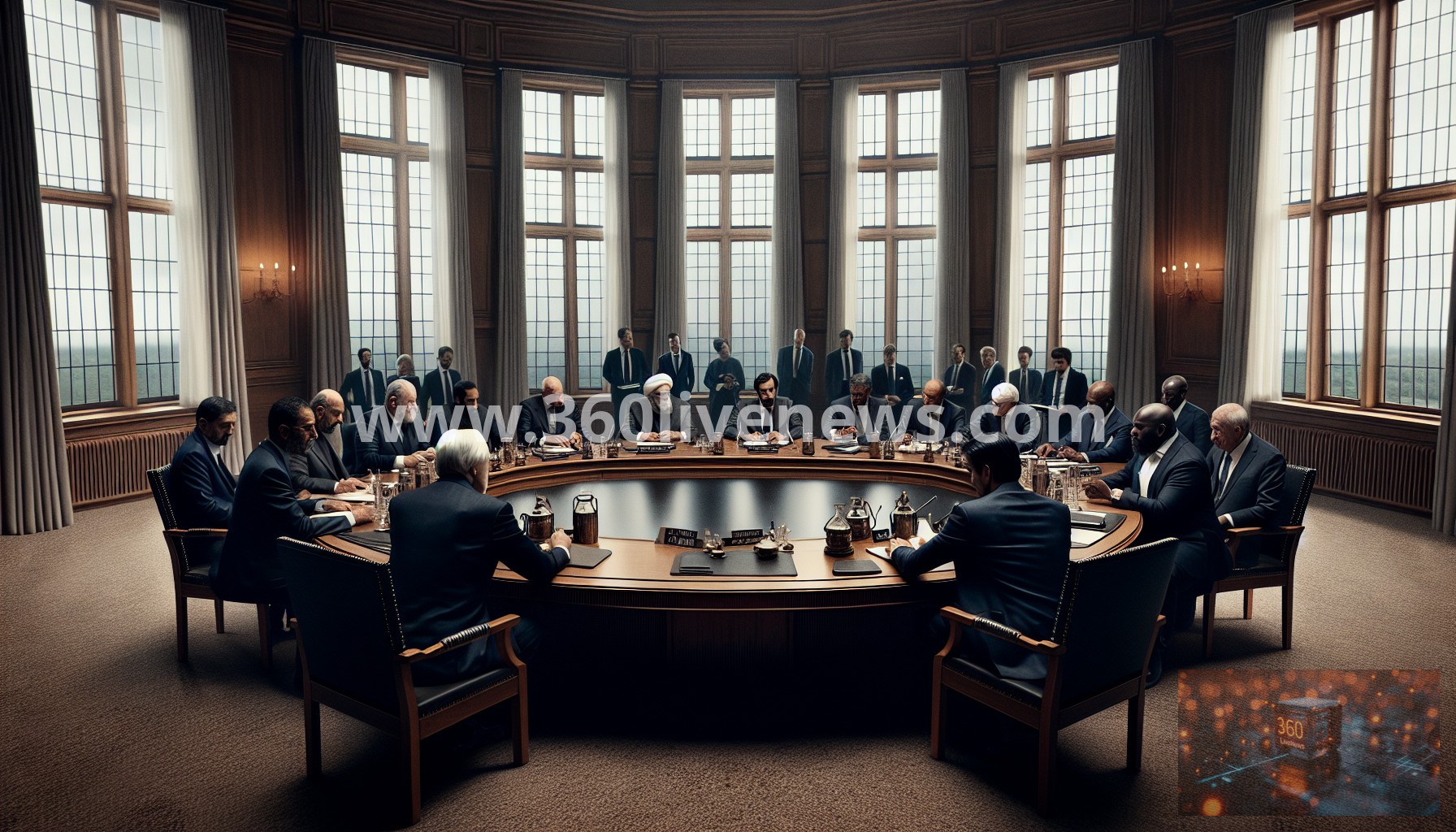
Officials from the United States and Iran are engaged in critical negotiations in Geneva, focusing on Tehran's nuclear program. These talks have intensified in the backdrop of escalating tensions, particularly as the U.S. has significantly increased its military presence in the Middle East. Amid these developments, both nations are attempting to explore avenues to avert potential conflict while addressing the complexities surrounding Iran’s nuclear ambitions.
On Thursday, officials participated in a series of indirect discussions, marking the third round of this diplomatic effort. High-ranking figures from both sides are pivotal in the negotiations, with Iran's top security chief, Ali Larijani, playing a crucial role behind the scenes. Larijani's influence on Iranian nuclear policy has been well-established, allowing him to guide Tehran's strategies as the stakes continue to rise.
Reports indicate that the current round of talks is a continuation of previous negotiations aimed at reaching a comprehensive agreement regarding Iran's nuclear program. The discussions are part of ongoing efforts to establish a framework that would not only limit Iran's nuclear capabilities but also help in reducing the imminent threat of military confrontation in the region. This framework is often referred to in the context of the Joint Comprehensive Plan of Action (JCPOA).
The renewed focus on dialogue comes as the U.S. mobilizes military resources, including a significant fleet of aircraft and warships, to the region. This maneuver is viewed by many as a show of strength and a direct response to perceived threats from Iran, particularly its nuclear developments and regional activities. The accumulation of U.S. military assets in the Middle East signals an increased urgency for a diplomatic solution, reflecting the broader implications of military intervention in international relations.
In previous incidents, Iran’s nuclear program has consistently been a point of contention. Tensions have persisted since the withdrawal of the United States from the Joint Comprehensive Plan of Action (JCPOA), an agreement that had sought to curtail Iran's nuclear ambitions in exchange for lifting economic sanctions. The breakdown of this agreement has left both countries at a stalemate, prompting a series of crises that have heightened geopolitical risks.
This latest diplomatic endeavor is significant not only for U.S.-Iran relations but also within the broader geopolitical framework involving other regional powers and international stakeholders. A successful outcome could alleviate ongoing tensions and reshape the security dynamics of the Middle East. Conversely, a failure in negotiations would likely heighten the risk of conflict, leading to potentially severe consequences for global security and diplomatic relations.
Experts have noted that the negotiations reflect more than just the nuclear issue; they encompass broader regional security concerns, including Iran’s influence in conflicts across the Middle East. The implications of these talks extend to allies and adversaries alike, as any shifts in Iran's nuclear policy could alter the strategic landscape, compelling a recalibration of diplomatic and military strategies among surrounding nations, particularly in relation to proxy wars.
The institutional history of mixed diplomatic efforts between the U.S. and Iran reveals a cycle of progress and setbacks. Past negotiations, notably those leading to the JCPOA, were undergirded by significant international involvement, including heavy negotiations led by the European Union. Strong engagement from the international community has been regarded as vital to ensuring compliance and fostering a more stable regional order.
As negotiations in Geneva unfold, high-level figures from both Washington and Tehran appear to be reconsidering their approaches. Diplomatic channels remain open, but the specter of military escalation looms large as the deadline for reaching an agreement approaches. All eyes will be on the outcomes of this round of talks, as they hold the potential to fundamentally reshape the Iran-U.S. relationship and, by extension, the security framework in the Middle East.
#Iran #nuclear #talks #diplomacy #military #U.S. #Geneva #Ali_Larijani
