Columbia University student Ellie Aghayeva arrested by federal immigration officers on campus, raising legal and ethical concerns
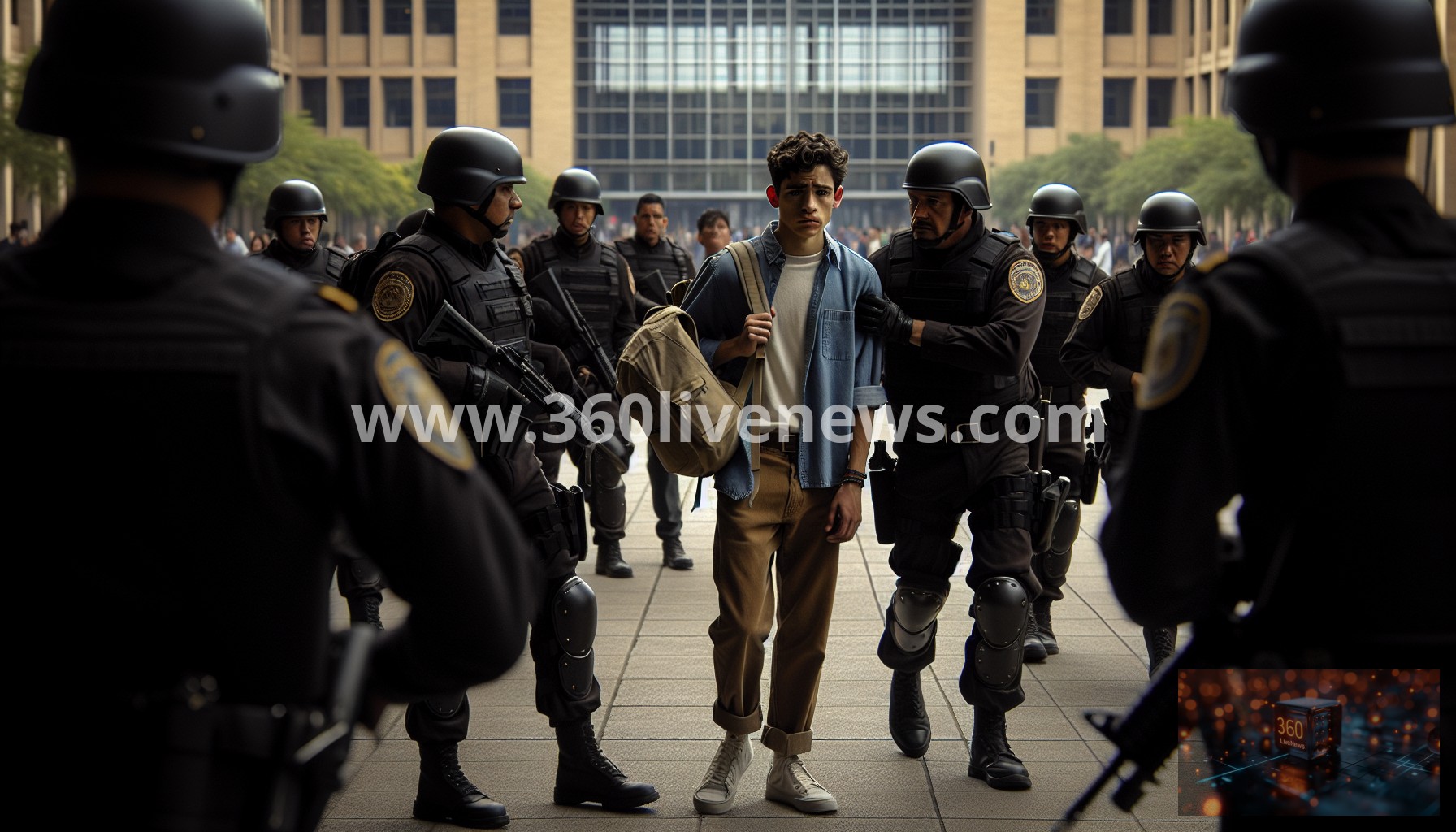
On a Thursday morning, a student at Columbia University was apprehended by federal immigration officers inside a residential building on campus, igniting significant concern and debate. According to reports from the university's acting president, Claire Shipman, the agents allegedly misrepresented themselves to gain entry for the arrest, raising serious questions about the legality and ethics of their actions.
The detained individual has been identified as Ellie Aghayeva, an undergraduate student at Columbia. Following her arrest, Aghayeva shared a distressing message via Instagram, claiming, “DHS illegally arrested me. Please help,” alongside a photo that appeared to depict her in a vehicle. This post has gained widespread attention and has become a rallying point for advocates concerned about the treatment of immigration issues in academic settings.
Shipman, in her statement to the Columbia community, emphasized that the university is actively working to gather information about the incident while prioritizing outreach to Aghayeva's family and coordination of legal support. She refrained from disclosing specific details regarding the student's immigration status.
The incident has stirred debate about the role of the Department of Homeland Security (DHS) and the appropriateness of using deceptive tactics to conduct arrests, particularly in educational institutions. The actions of the federal agents are perceived to reflect a broader national discourse surrounding immigration enforcement and the protection of immigrant rights in sensitive environments like universities.
Historically, Columbia University has maintained a commitment to providing a safe and inclusive environment for all students, regardless of their immigration status. The recent escalation of immigration enforcement actions, particularly within educational spaces, challenges these principles and has prompted a response from students, faculty, and advocacy groups alike.
The broader implications of this event underscore the tension between federal immigration policies and institutional values. Critics argue that such tactics undermine trust between students and their universities, potentially deterring students from seeking help or reporting crimes for fear of deportation. This incident aligns with previous concerns raised by advocacy organizations like the American Civil Liberties Union (ACLU), which have consistently emphasized the importance of safeguarding educational environments from aggressive immigration enforcement strategies.
The event also reverberates beyond Columbia, reflecting on the ongoing national debate regarding immigrant rights and local enforcement of federal immigration laws. Educational institutions across the country are facing similar challenges as federal agencies ramp up enforcement actions, creating a complex landscape for students and administrators alike. Universities are being called upon not only to protect their students but to establish clear policies that denounce and combat such practices.
As the situation develops, it remains to be seen how Columbia will respond in the longer term. Stakeholders, including faculty members and student organizations, are likely to mobilize around Aghayeva's case, calling for policy reforms that promote transparency and accountability in immigration enforcement. The potential impact on future immigration policy and campus security measures may redefine how institutions approach the intersection of education and immigration.
Department of Homeland Security (DHS) has yet to issue an official statement regarding the incident, as community members seek answers and clarity on the matter. The response from trackable organizations and interest groups will play a significant role in shaping the narrative surrounding this case and its implications.
As universities navigate these challenging waters, the Columbia incident serves as a critical reminder of the complexities involved in ensuring safety and upholding legal standards in educational settings. The dialogue on this issue is sure to continue as more information emerges about the arrest and the policies that allowed it to occur without prior notification or consent.
#ColumbiaUniversity #immigration #DHS #studentrights #legalissues #education #civilrights #highereducation
