Australia initiates consultation on domestic production of wind turbine infrastructure to enhance renewable energy capacity
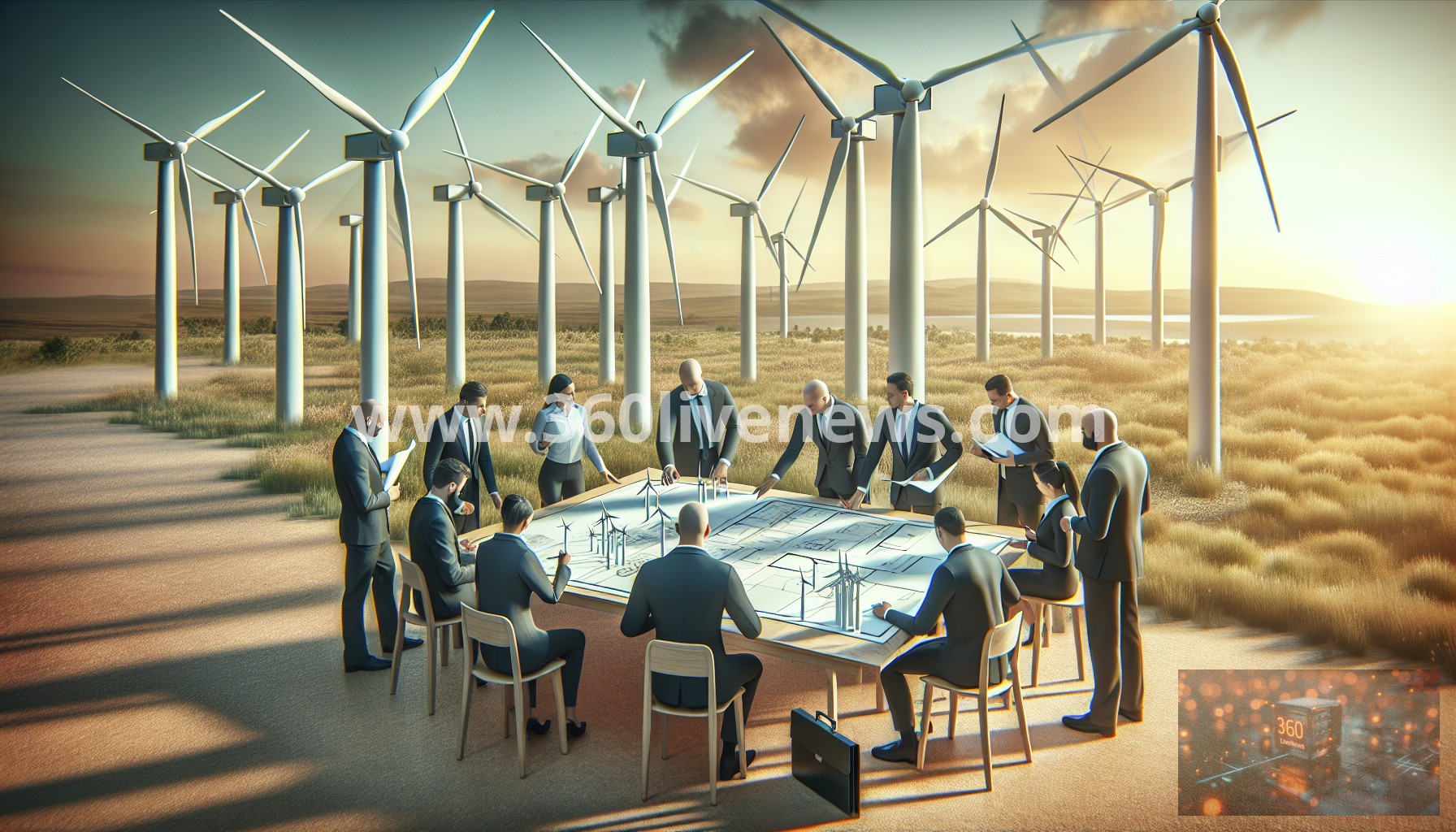
In a significant move towards bolstering its renewable energy capacity, the federal government of Australia has initiated a consultation process to explore the domestic production of wind turbine infrastructure. This initiative aims to assess the country's capability to manufacture not just turbines, but also their associated infrastructure, reflecting a broader intent to enhance energy independence and sustainability. The consultation is set to conclude in early March, allowing stakeholders ample time to present their views and insights.
The federal government's engagement with the wind energy sector has sparked interest across various industry forums. Energy experts have expressed cautious optimism, indicating that while domestic production could reduce reliance on imported components, it must be approached with careful economic and environmental considerations. The specific details surrounding the proposed manufacturing capabilities and the government’s long-term vision for renewable energy adoption have yet to be fully outlined.
Australia's push for domestic wind turbine production is contextualized within the global shift towards renewable energies in response to climate change. Previous initiatives, alongside growing public support for sustainable energy solutions, suggest a significant pivot in energy policy. The National Renewable Energy Agency (NRA) has been at the forefront of advocating for increased investment in renewable technologies, providing a strategic framework for such consultations.
Why this initiative matters extends beyond the immediate goals of energy policy. The implications are multifaceted, involving economic growth, job creation, and technological advancement within the manufacturing sector. By pursuing domestic wind turbine infrastructure, the government aims to not only enhance energy resilience but also stimulate local economies and encourage innovation in manufacturing. As the world transitions towards greener energy sources, Australia's strategic moves may position it advantageously in an increasingly competitive global marketplace.
Additionally, the manufacturing of wind turbines has a significant economic backdrop, marked by ongoing discussions surrounding Australia's energy transition. The Australian government has made firm commitments to reduce carbon emissions, aligning its goals with international climate agreements. Recent studies indicate that expanding domestic capabilities could lead to a decrease in costs associated with wind energy deployment, thus making renewable energy more accessible to Australians at large.
Despite the eagerness for innovation, energy experts are advising caution. The potential for domestic wind turbine manufacturing raises several considerations, including the technological feasibility, supply chain logistics, and environmental impacts associated with production processes. Ensuring a balanced approach is critical, as stakeholders emphasize that the consultations should involve a broad spectrum of opinions, ranging from industry leaders to environmental groups, to achieve a holistic perspective on the matter.
The broader energy policy framework supports these developments. Australia's Renewable Energy Target (RET) has been instrumental in driving investments in renewable resources, primarily wind and solar energy. With wind energy projected to play a crucial role in meeting these targets, the emphasis on creating local manufacturing capabilities aligns strategically with the larger vision of transitioning to a sustainable energy economy.
In conclusion, the consultation towards developing domestic wind turbine production encapsulates a strategic government initiative aimed at fostering a sustainable energy future. It underscores the importance of local manufacturing in achieving energy independence while adhering to global climate commitments. As the consultation unfolds, the outcomes may very well shape the future landscape of Australia's energy sector, potentially establishing a paradigm for manufacturing resilience in the face of global energy challenges.
#WindEnergy #AustralianGovernment #RenewableEnergy #Sustainability #Manufacturing #EconomicGrowth #NationalRenewableEnergyAgency #EnergyTransition
