Columbia University student Ellie Aghayeva released after detention by immigration enforcement agents on campus
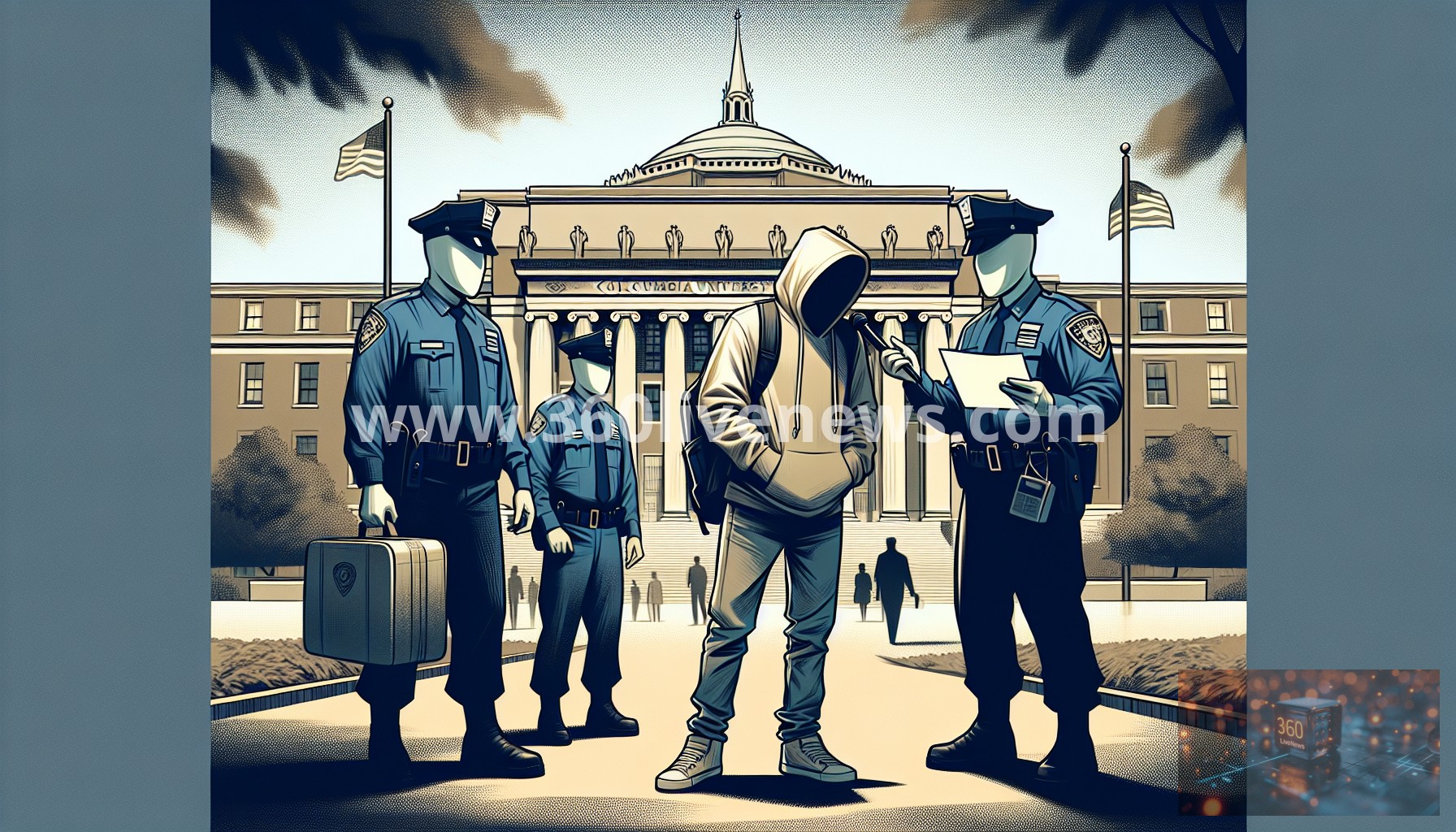
Columbia University student Ellie Aghayeva has been released after being detained by immigration enforcement agents from the Department of Homeland Security (DHS). The incident occurred when federal agents entered a residential building on Columbia’s campus, creating significant backlash and raising concerns regarding the conduct of law enforcement in educational spaces. Aghayeva confirmed her release via social media, stating, "I just got out a little while ago. I am safe and okay," and noted the overwhelming number of inquiries from reporters following her ordeal.
Eyewitness accounts and official statements indicate that DHS agents gained access to the university's residential hall around 6:30 AM on Thursday. Columbia University's acting president, Claire Shipman, issued a statement condemning the agents' actions, claiming they “made misrepresentations” to justify their entry into the building. Shipman highlighted the university's policy that mandates law enforcement to possess a judicial warrant or subpoena to access secured areas, underscoring the gravity of the situation.
Legal and advocacy groups have expressed outrage over the incident, raising significant ethical concerns about the practices employed by DHS. Immigration and Customs Enforcement (ICE) had not disclosed any information regarding a missing person, which was purportedly the reason cited by the agents to enter Columbia’s premises. Experts fear that such actions could set a troubling precedent for future interactions between law enforcement and education institutions.
The incident gained further attention following New York City Mayor Zohran Mamdani's involvement, who confirmed that he had a previously unannounced meeting with Donald Trump to discuss the situation. Details of the conversation have not been disclosed, but Aghayeva’s release aligns with reactions from city officials advocating for the protection of student rights amid heightened enforcement at educational institutions.
This incident is not an isolated case; it reflects ongoing tensions between immigrant communities and federal enforcement agencies. Educational institutions have historically served as safe havens for students, particularly those from marginalized backgrounds. The increasing presence of immigration enforcement in these spaces may deter students from seeking help or accessing vital resources, posing a threat to their safety and educational wellbeing.
The response from Columbia University emphasizes the broader implications of this event. The school has established protocols and a commitment to student safety which appears to have been undermined in this incident. The school's administration is now tasked with investigating how DHS agents were able to enter the property and what measures can be taken to prevent such occurrences in the future. The terms under which federal agents may operate on campus will likely be scrutinized during this inquiry.
The backlash following the detainment highlights a significant public concern regarding immigration policy implementation under the current administration. As discussions surrounding reforms to immigration enforcement continue, this incident could invigorate debates over the rights of students and the responsibilities of educational institutions in providing a safe environment free from undue federal influence.
Furthermore, many expert commentators are framing this incident as indicative of wider issues within the United States’ immigration policy. The lack of clarity surrounding operations of agencies like ICE, particularly in contexts that involve the education sector, raises questions about accountability and oversight. This episode may prompt calls for legislative changes aimed at protecting student rights, particularly those who are immigrants, who may feel particularly vulnerable in this climate.
As these events unfold, the situation will certainly be monitored closely by both educational advocates and policymakers. The repercussions of the DHS's actions at Columbia University may not only affect the local community but could also reverberate throughout the nation, as educational institutions assess their protocols and students reevaluate their relationship with law enforcement agencies within their environments.
#DHS #ColumbiaUniversity #ICE #Education #Immigration #StudentRights #LegalIssues #LawEnforcement
