Cuban authorities report shootout with speedboat carrying US individuals attempting to destabilize government, four attackers killed
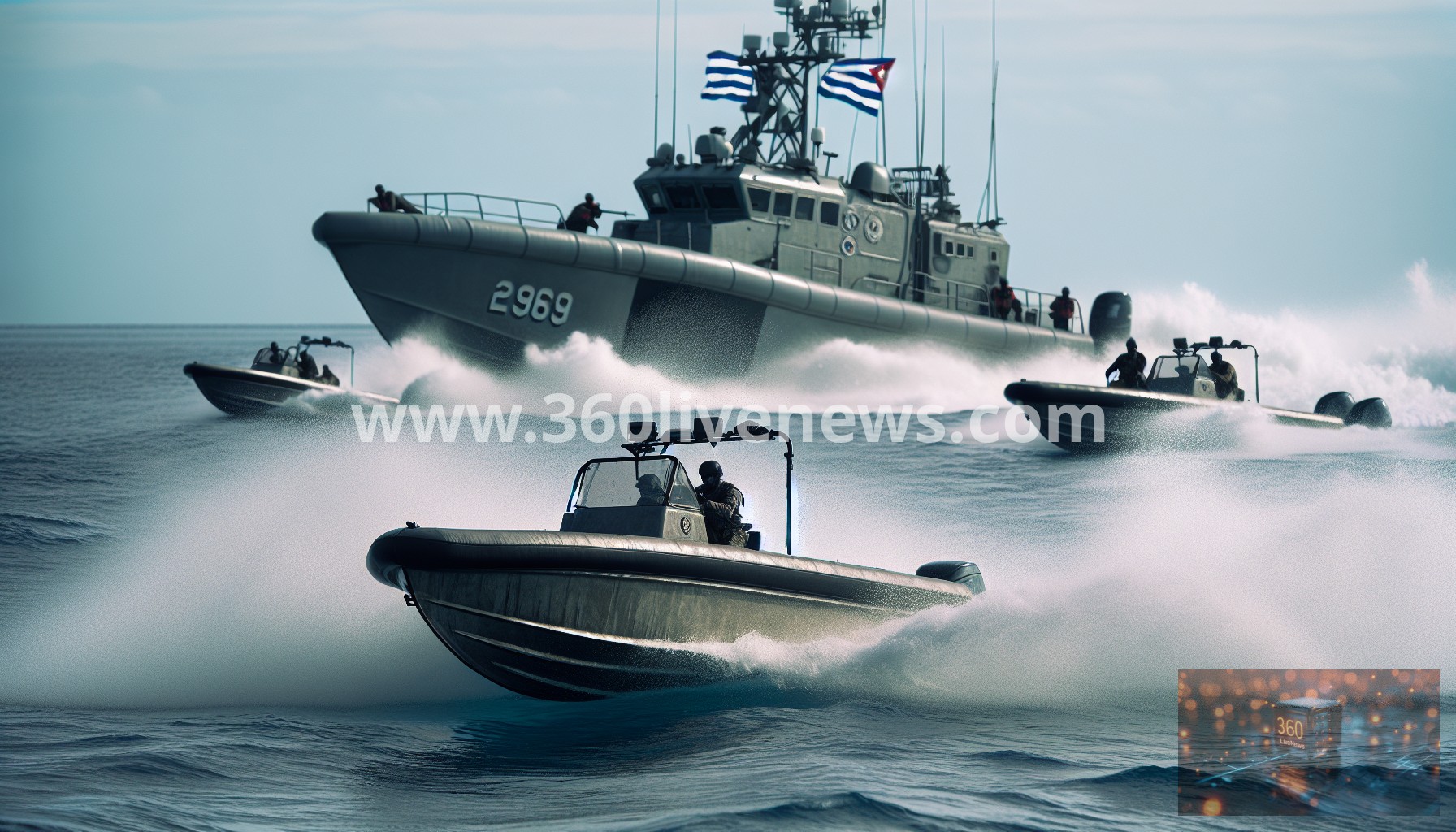
In a recent incident off the coast of Cuba, authorities have reported that a speedboat carrying ten individuals from the United States attempted to execute a violent operation aimed at destabilising the Cuban government. This incident culminated in a shootout with Cuban border agents, which resulted in the deaths of four of the attackers, while the remaining six are currently receiving medical treatment.
The altercation took place during a naval operation conducted by the Cuban Coast Guard, which intercepted the speedboat. Official reports specify that the boat did not originally comply with orders to stop, leading to a confrontation that turned deadly. At least one Cuban officer sustained injuries in the tussle, marking a significant moment in the ongoing tensions between Cuba and its diaspora, particularly involving individuals allegedly seeking regime change. The situation highlights growing concerns over the lengths some groups are willing to go to in order to influence the political landscape in Cuba.
Cuban state media have reported that the deceased included at least one U.S. citizen, as confirmed by White House officials. This detail has escalated the significance of the incident, potentially impacting U.S.-Cuba relations as both governments navigate the fallout from this violent exchange. The U.S. government's involvement is particularly sensitive given the long-standing embargo and the complicated history between the two nations.
Authorities in Havana have not only condemned the actions of the aggressors but have also intensified rhetoric about thwarting future incursions. The Cuban government has previously faced various threats from groups within the U.S. who aim to undermine the socialist regime. The incident serves as a stark reminder of the ongoing conflicts that stem from Cuba’s political isolation and the repeated calls from exile communities for intervention.
In the backdrop, there have been significant challenges in Cuba, including economic hardships and social unrest, which some believe have fueled a resurgence in radical actions among dissident groups. Following the COVID-19 pandemic, the country has seen an influx of discontent due to various systemic failures. This situation has prompted calls from various Cuban nationals abroad for more aggressive measures to oust the current government.
Historically, the U.S. has been viewed as both a sanctuary for Cuban dissidents and a source of political tension. The Bay of Pigs invasion in the early 1960s famously represents a failed U.S.-backed attempt to overturn Fidel Castro’s regime. To some extent, the motivations behind this latest incident echo those historical efforts as certain factions within the Cuban-American community continue to pursue a narrative of liberation.
The Cuban government’s efforts to safeguard national security are complicated by a history of failed transitions and violent attempts at regime change. Analysts are now closely watching the response from the U.S. government, which must balance concerns over its citizens' involvement in such operations with the need for diplomatic relations to remain functional. Any misstep may provoke further retaliatory statements from Havana, potentially exacerbating tensions.
As the political landscape continues to evolve, the implications of this incident could resonate through diplomatic channels. The incident has rekindled discussions about the effectiveness of U.S. sanctions and strategies in influencing the political framework of Cuba. While the U.S. advocates for human rights and democracy in the region, actions such as those reported can complicate dialogues aimed at reconciliation and reform.
In the coming weeks, further details may emerge as investigations proceed regarding the motives and affiliations of those involved. The incident underscores the precarious situation surrounding Cuba's domestic and international policy, requiring attentive observation as both nations respond to the fallout. As the world watches, the larger dynamics of U.S.-Cuba relations remain at the forefront of regional stability.
#Cuba #UnitedStates #Violence #CubanGovernment #Terrorism #BorderSecurity #CubanAmerican #InternationalRelations
