Pakistan Declares "Open War" Against Afghanistan Amid Escalating Border Violence
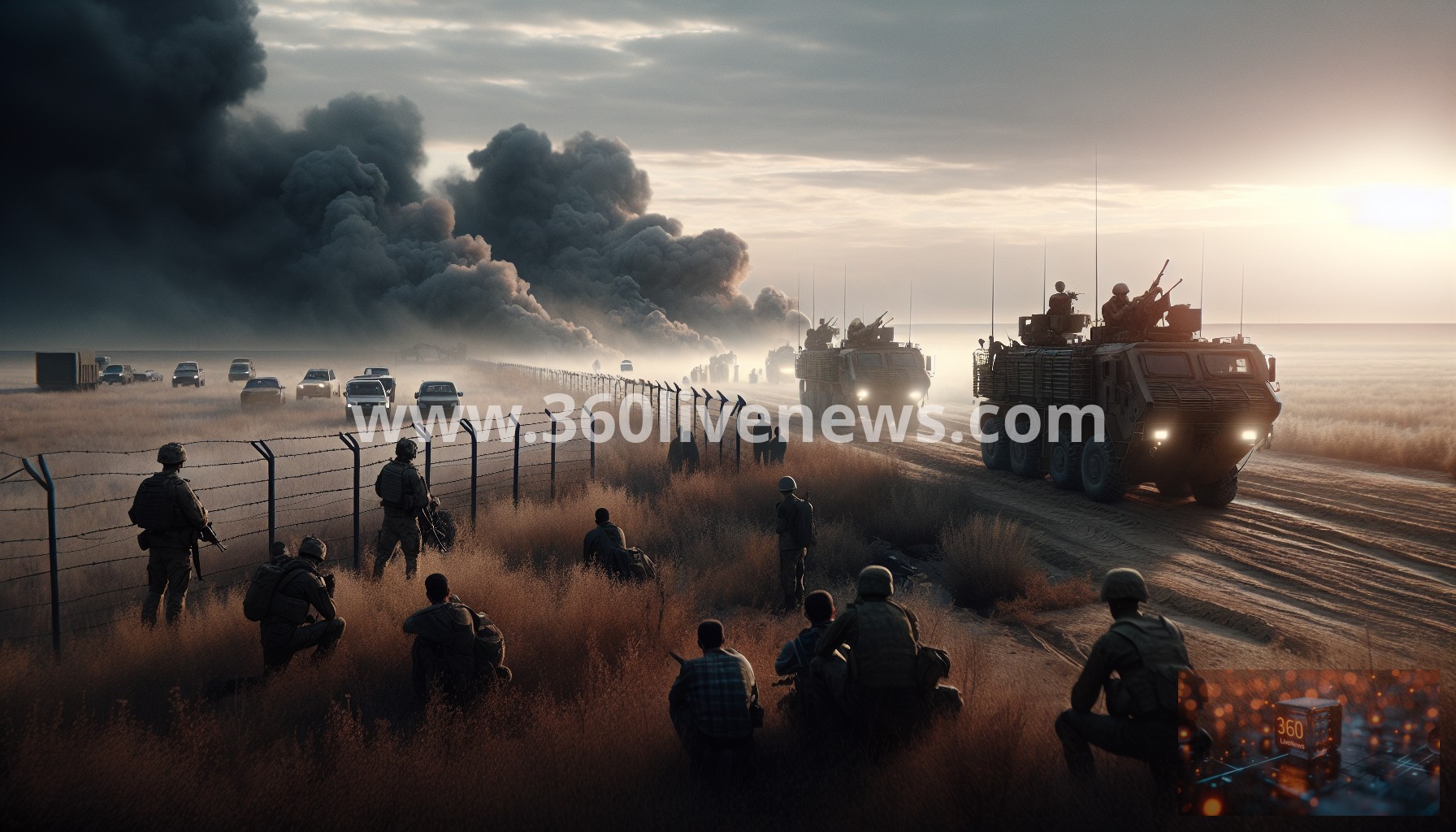
In a significant escalation of violence, Pakistan has declared an "open war" against Afghanistan, marking a troubling phase in relations between the two neighboring nations. The statement from Pakistan's Defense Minister comes amid ongoing exchanges of fire across the Durand Line, a border that has historically been contentious. This recent conflict highlights the deteriorating relations between the Pakistani government and the Taliban, which now governs Afghanistan.
Reports indicate that sporadic cross-border shelling has resulted in civilian casualties on both sides, intensifying fears of a broader conflict. Local sources indicated that at least 15 confirmed casualties have been recorded, though the exact number may vary as further reports emerge. Official sources have not specified the number of evacuations, but regional authorities have advised residents in border areas to move to safer locations as a precautionary measure.
The backdrop of this conflict is rooted in longstanding political and military tension between Pakistan and Afghanistan. In previous incidents, accusations have flown between the nations over cross-border militancy and the presence of Taliban factions in Pakistan. The Pakistani government has frequently blamed the Afghan Taliban for harboring militants who launch attacks into Pakistan, while Afghanistan has accused Pakistan of interfering in its internal affairs.
As tensions rise, both nations face the potential ramifications of sustained conflict. From an economic perspective, the instability could exacerbate trade stalls and hinder economic recovery efforts in both nations. Security experts have raised concerns that escalating military actions could lead to further destabilization in the region, impacting not only Pakistan and Afghanistan but also their neighbors, including Iran and China.
Additionally, international observers are closely monitoring the situation, given the broader geopolitical implications. The United States, among other nations, has vested interests in both countries, particularly after years of military engagement in Afghanistan. The shifting dynamics could influence future diplomatic relations, humanitarian efforts, and military strategies in the region.
Previously, the Pakistani military and intelligence services have maintained a complex relationship with various militant groups operating within Afghanistan. The Pakistani defense establishment has sometimes viewed these groups as strategic assets, complicating its stance during negotiations or military actions against them. This historical lens is critical to understanding the current tension and the response by both governments.
The current conflict phase raises broader discussions around national security policies in both countries. If both nations continue to engage militarily, it could lead to a re-evaluation of foreign policies, military alliances, and security strategies, especially as the Taliban faces internal and external pressure to stabilize its governance. Given the support Afghanistan receives from other nations, including regional powers, the international community's response could significantly impact ongoing efforts for peace and stability.
In light of this declaration of war and ensuing military exchanges, experts emphasize the need for diplomatic dialogue to mitigate the immediate crisis. While military action may be viewed as a solution by both sides, historical attempts at resolution through negotiation have often yielded mixed results. The conflict threatens to spiral further if diplomatic efforts do not take precedence alongside military posturing.
The latest developments between Pakistan and Afghanistan underscore a critical juncture in their bilateral relationship. As both sides brace for potential intensification of hostilities, the international community watches closely, and the hope remains for a peaceful resolution that can address the root causes of the ongoing strife.
#Afghanistan #Pakistan #Taliban #Military #Diplomacy #Security #Conflict #Terrorism
