Pakistan Conducts Airstrikes in Afghanistan Amid Rising Tensions with Taliban
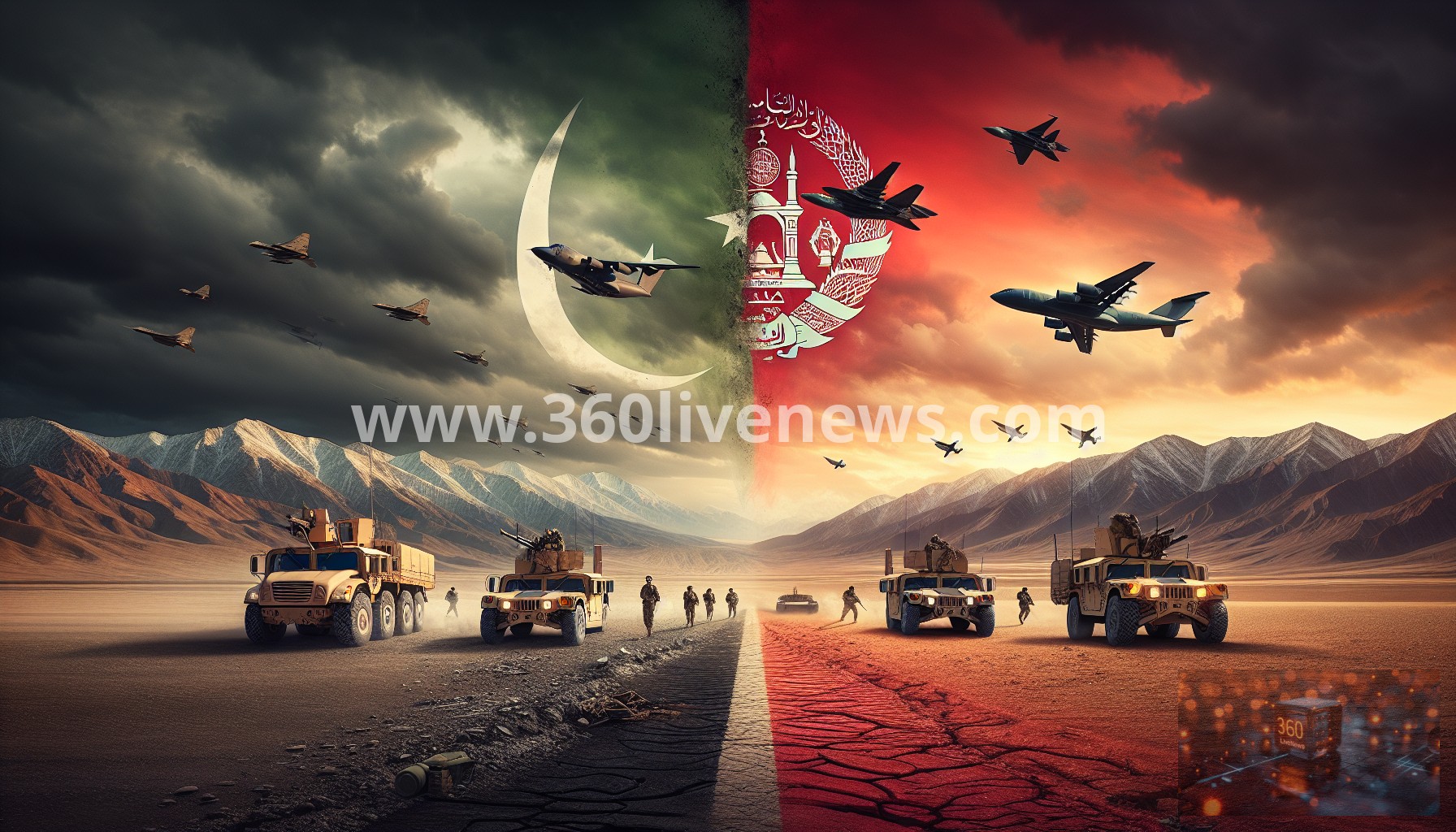
In a significant escalation of tensions between Pakistan and the Taliban, Pakistan has launched airstrikes targeting multiple cities across Afghanistan, drawing a swift response from the international community. The United States has expressed its support for Pakistan's "right to defend itself" following the bombardment of urban areas including Kabul and Kandahar. This latest development highlights the deteriorating security situation in the region and the increasing volatility between the two nations, which have a history of conflict and rivalry.
The airstrikes commenced late Thursday and extended into Friday, with strikes reported in major Afghan provinces such as Paktia, Paktika, Khost, and Laghman. Taliban officials confirmed that these attacks resulted in significant collateral damage, although specific casualty figures have not been released. The spokesperson for the Taliban, Zabihullah Mujahid, urged for a peaceful resolution, stating that the "Islamic Emirate of Afghanistan" seeks to manage disputes through dialogue rather than force.
Official statements from the Pakistani government emphasized that the strikes were a response to ongoing attacks by extremist factions operating from Afghan territory, which Pakistan claims have threatened its national security. This military action represents a continuation of Pakistan's efforts to counter the resurgence of insurgent groups linked to the Taliban, with Islamabad underlining its determination to engage militarily if necessary. The strikes were unfolding against a backdrop of heightened tensions, underscoring the fragility of relations between the two neighbors.
Despite the public insistence on dialogue, the Taliban's immediate response indicates a willingness to engage in negotiations, albeit under duress. Mujahid emphasized that the Taliban government prefers attempts at peaceful conflict resolution. This approach is consistent with the group's previous statements regarding their intent to govern Afghanistan in accordance with Islamic law, while also managing relations with neighboring states judiciously.
The US endorsement of Pakistan's military actions comes at a pivotal time, reflecting Washington's geopolitical strategy in South Asia. The Biden administration has consistently sought to back Pakistan in its defense initiatives, especially as the region faces the dual challenges of terrorism and instability. This support further solidifies US-Pakistan relations, which have been traditionally layered with complexity, given the historical ties between Pakistan and the Taliban.
Historically, relations between Pakistan and Afghanistan have been fraught with tension, particularly after the Taliban's return to power. Previous military incursions and border disputes have characterized the bilateral relationship. In January, episodes of border skirmishes marked the resurgence of hostility, exacerbating fears of a wider conflict. Islamabad's strikes signify a marked strategy shift aimed at reasserting control over its borders while countering what it sees as a growing threat from the Taliban, now bolstered by their governance in Afghanistan.
Moreover, the potential for this conflict to impact broader regional dynamics cannot be overlooked. The ongoing U.S.-Taliban negotiations have been hindered by escalating violence, complicating efforts to stabilize the region. Analysts suggest that if the violence continues, it could lead to further instability, potentially drawing in other neighboring countries into the fray as they attempt to manage their own security concerns related to this conflict.
In the wake of the airstrikes, humanitarian considerations are also at the forefront of discussions. With civilian infrastructure caught in the crossfire, there are rising concerns over the humanitarian situation in Afghanistan. Various international organizations are closely monitoring developments, emphasizing the need for swift interventions to protect civilians and prevent any exacerbation of the already precarious situation in the region.
Ultimately, as tensions between Pakistan and the Taliban escalate with this latest military action, the international community watches closely. The capacity for robust dialogue versus military engagement will play a crucial role in determining the trajectory of peace in South Asia. The involvement of external actors like the United States indicates that the situation not only has regional implications but could also significantly affect international diplomatic efforts going forward.
#Pakistan #Taliban #Afghanistan #US #military diplomacy">#diplomacy #conflict #ASEAN #humanrights #USPakistanRelations #Kabul #Islamabad #negotiations
