Clashes escalate along Pakistan-Afghanistan border, disrupting civilian life and prompting international concern
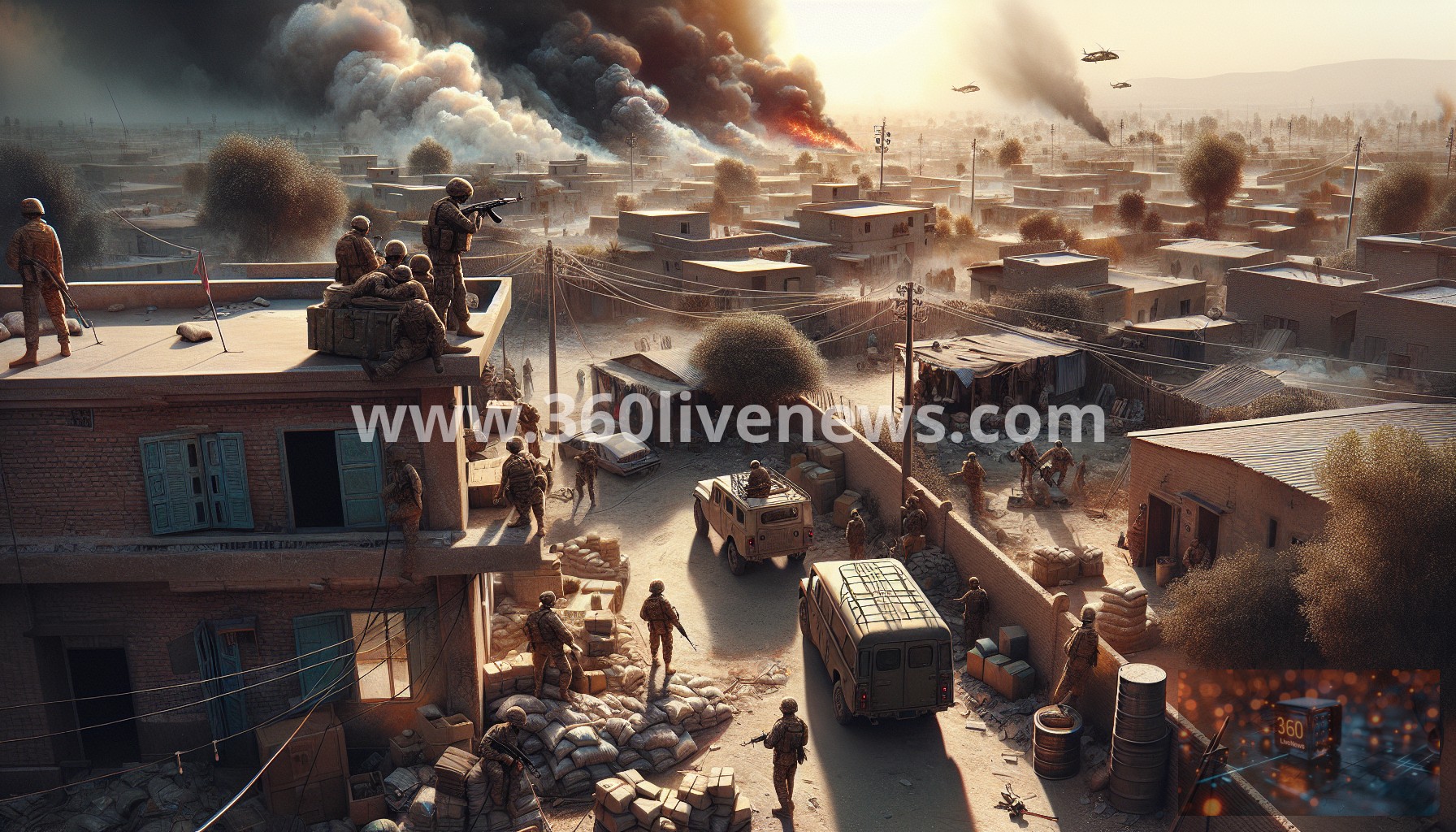
Recent clashes along the Pakistan-Afghanistan border have escalated into a significant conflict, disrupting local civilian life and prompting international concern. Following an offensive initiated by Afghanistan, military engagements intensified, with Afghan and Pakistani troops engaging in combat marked by airstrikes and ground operations. Diplomatic efforts by Arab states including Saudi Arabia and Qatar to achieve a ceasefire have so far failed.
Reports indicate that the fighting has involved Pakistani forces responding to cross-border offensive actions launched by Afghan military units. On-site accounts from Afghan residents confirm sustained battles, particularly in areas near the border where civilian casualties have occurred due to drone strikes. Specifically, two civilians have been reported killed in Nangarhar Province, highlighting the dire human cost of the ongoing conflict.
In a notable incident, airstrikes targeted the renowned Bagram airbase, reflecting the strategic significance of the site and the ambitions of the Afghan forces in this renewed conflict. The airbase, pivotal during earlier U.S. military operations, continues to embody the complexities of regional security dynamics. The strikes at Bagram not only underline the intensifying hostilities but also demonstrate a calculated military approach by Afghanistan amid heightened tensions.
This deterioration in relations follows months of sporadic skirmishes. Such engagements have underscored long-standing political and military tensions between the two nations. The Afghan government’s offensive has been characterized by a desire to expand its territorial control and mitigate perceived threats from militant groups operating along the border, while Pakistan seeks to protect its sovereignty and respond to infiltration attempts.
Amid these clashes, the role of key regional players such as Saudi Arabia and Qatar has become increasingly critical. Both nations are reportedly involved in Mediation" target="_blank" rel="nofollow noopener">mediation efforts aimed at de-escalating tensions. However, reports suggest that their initiatives have not yet yielded tangible results, prompting concerns about the potential for a wider conflict that could destabilize the region further.
The implications of this conflict extend beyond the immediate combat zones. Geopolitical considerations are at the forefront as the international community observes the potential influx of refugees and the ensuing humanitarian crisis that could arise from an all-out conflict. Previously established treaties and diplomatic norms have been challenged, bringing into question the future of regional peace processes.
Your assessment of the unfolding situation considers the broader implications of these clashes. Economically, a prolonged conflict could disrupt local markets, escalate humanitarian needs, and deter foreign investment in both Pakistan and Afghanistan. Security perspectives also indicate that ongoing violence may empower extremist factions, complicating counter-terrorism strategies by both nations and their allies.
As this situation evolves, the stakes are high for all parties involved. With both countries bearing casualties, and continued resistance to diplomatic resolutions, the possibility of further escalations seems imminent. The international community will be compelled to respond to the growing crisis, assessing its impacts not only on regional stability but also on global security dynamics.
#Afghanistan #Pakistan Clashes">#Clashes #Diplomacy Conflict">#Conflict #SaudiArabia #Qatar #BagramAirbase #Airstrikes #Nangarhar #Mediation #RegionalSecurity #Refugees #HumanitarianCrisis
