Ten protesters killed and 34 injured in Karachi as security forces clash with demonstrators near US consulate gates
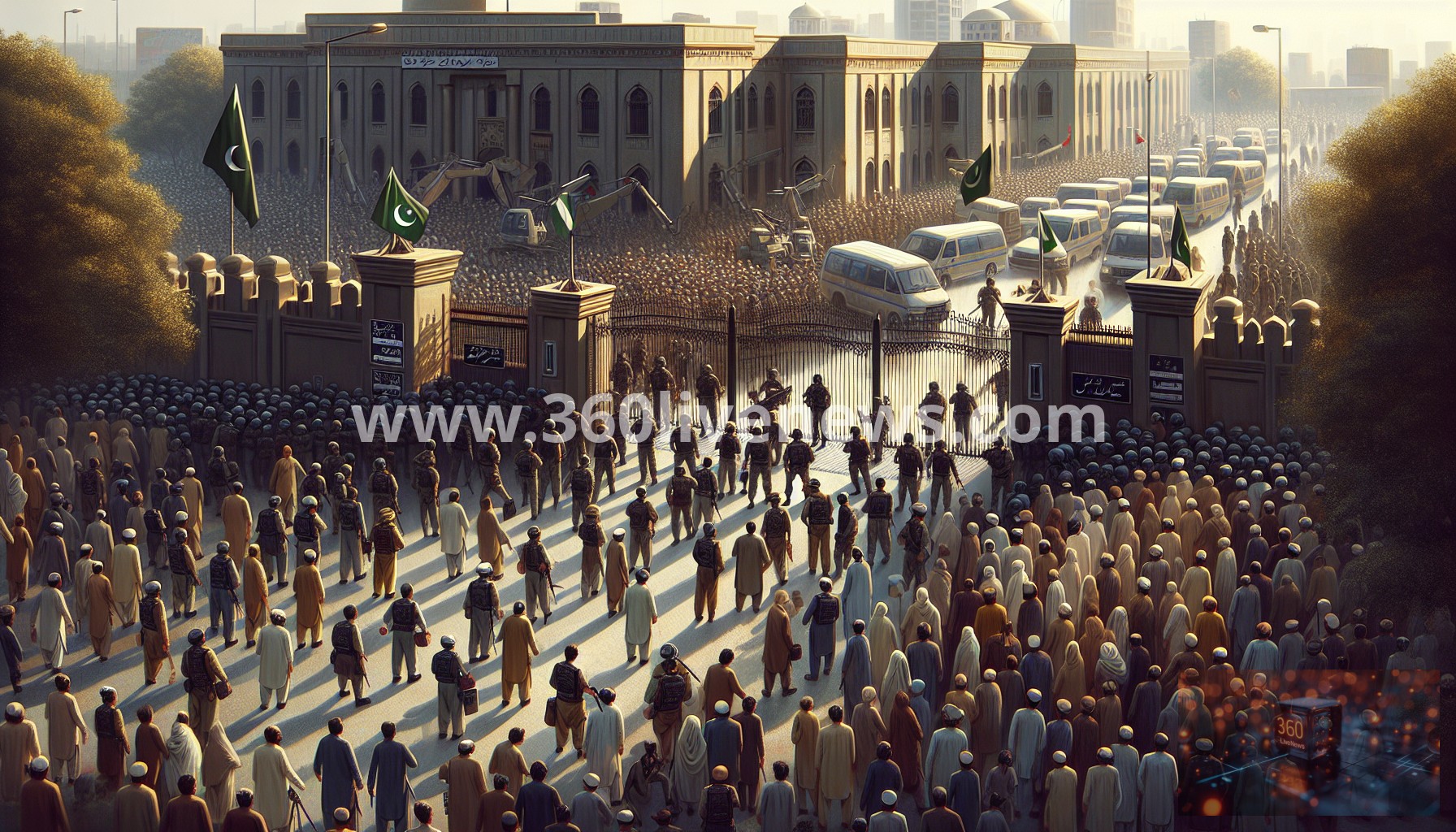
Recent protests in Karachi, Pakistan, escalated dramatically as security forces opened fire on demonstrators attempting to storm the gates of the US consulate. The violent altercation resulted in the deaths of ten protesters, while 34 others sustained injuries, according to Sukhdew Assardas Hamnani, a spokesman for the Sindh government. The protests were reportedly sparked by widespread anger over the ongoing conflict involving Iran, invoking solidarity among demonstrators in various cities, including Karachi and other parts of Pakistan and India.
The incident occurred when a large crowd gathered outside the US consulate in Karachi's upscale district of Clifton. Eyewitness accounts suggest the protesters were attempting to breach the consulate's security gates, leading to heightened tensions. Faisal Edhi, head of the Edhi Foundation, emphasized the seriousness of the injuries sustained by many demonstrators, indicating that the death toll could potentially rise as several injured persons were reported in critical condition.
This event is part of a broader pattern of civil unrest in the region, with similar protests reported across Pakistan and India in recent days. Demonstrators have expressed their grievances against perceived international aggression towards Iran, especially in light of recent military actions involving the US and Israel. Such sentiments resonate deeply, considering the historical context of Iran's geopolitical position and its relationships with regional neighbors and global powers.
In the aftermath of the violence, Sindh provincial authorities indicated that the police had gained control of the situation. The necessary actions were taken to disperse the crowd, although the extent of the authorities' use of force is under scrutiny. The response from law enforcement will likely affect public sentiment and could potentially lead to more significant protests in the near future. International observers are closely monitoring how the situation evolves, especially in relation to diplomatic relations between Pakistan, Iran, and the US.
This incident shines a light on the consequences of intensified military conflict along with geopolitical tensions. Spanish Prime Minister Pedro Sanchez recently denounced the US-Israel military actions against Iran as a breach of international law, marking a rare critique from a Western leader regarding aggressive policies toward Iran. Sanchez's remarks suggest a growing concern among some global actors over the potential for wider conflict as public sentiment in various nations increasingly identifies with Iran amid allegations of foreign aggression.
Pakistan has historically maintained a complex relationship with Iran, characterized by cultural and economic ties, yet marred by political tensions influenced by larger geopolitical dynamics. The Pakistani government’s approach to managing public outrage over international affairs may be challenged further as protests continue to manifest across the nation. Additionally, tensions derived from foreign military involvement in the region are exacerbating local anxieties about national sovereignty and security.
As events unfold in Karachi, experts are concerned about the implications for domestic security and regional stability. The escalation of protests may attract the attention of international bodies, such as the United Nations or relevant human rights organizations, particularly as the narratives surrounding international law violations gain traction. The protests serve as a powerful reminder of how geopolitical conflicts can incite local unrest, necessitating careful diplomatic navigation to prevent further violence.
The confrontation in Karachi also raises pertinent questions about media coverage and the representation of public opinion on international conflicts. As various media outlets report on the protests, the framing of these events can significantly influence both domestic and foreign perceptions, shaping the narrative surrounding Iran, its allies, and perceived aggressors. This emerging narrative could either exacerbate tensions or foster dialogue, depending on how it is communicated to the public and policymakers alike.
In conclusion, the tragic loss of life in Karachi marks not only a moment of grief for families and communities impacted but also signifies a tipping point in Pakistan's political landscape. The incident underscores the delicate balance of power within the region and highlights the potential for civil unrest to catalyze broader discussions about foreign policy, national identity, and security. As the situation continues to develop, the actions of both local authorities and international actors will be pivotal in shaping the trajectory of protests and political discourse in Pakistan.
#Protests #Karachi #Iran #USConsulate #Pakistan #InternationalLaw #GeopoliticalTensions #PublicSentiment #HumanRights #SecurityForces #Sindh #FaisalEdhi #Spain
