Wilcannia residents await federal funding to advance long-discussed weir project despite state allocation of $70 million
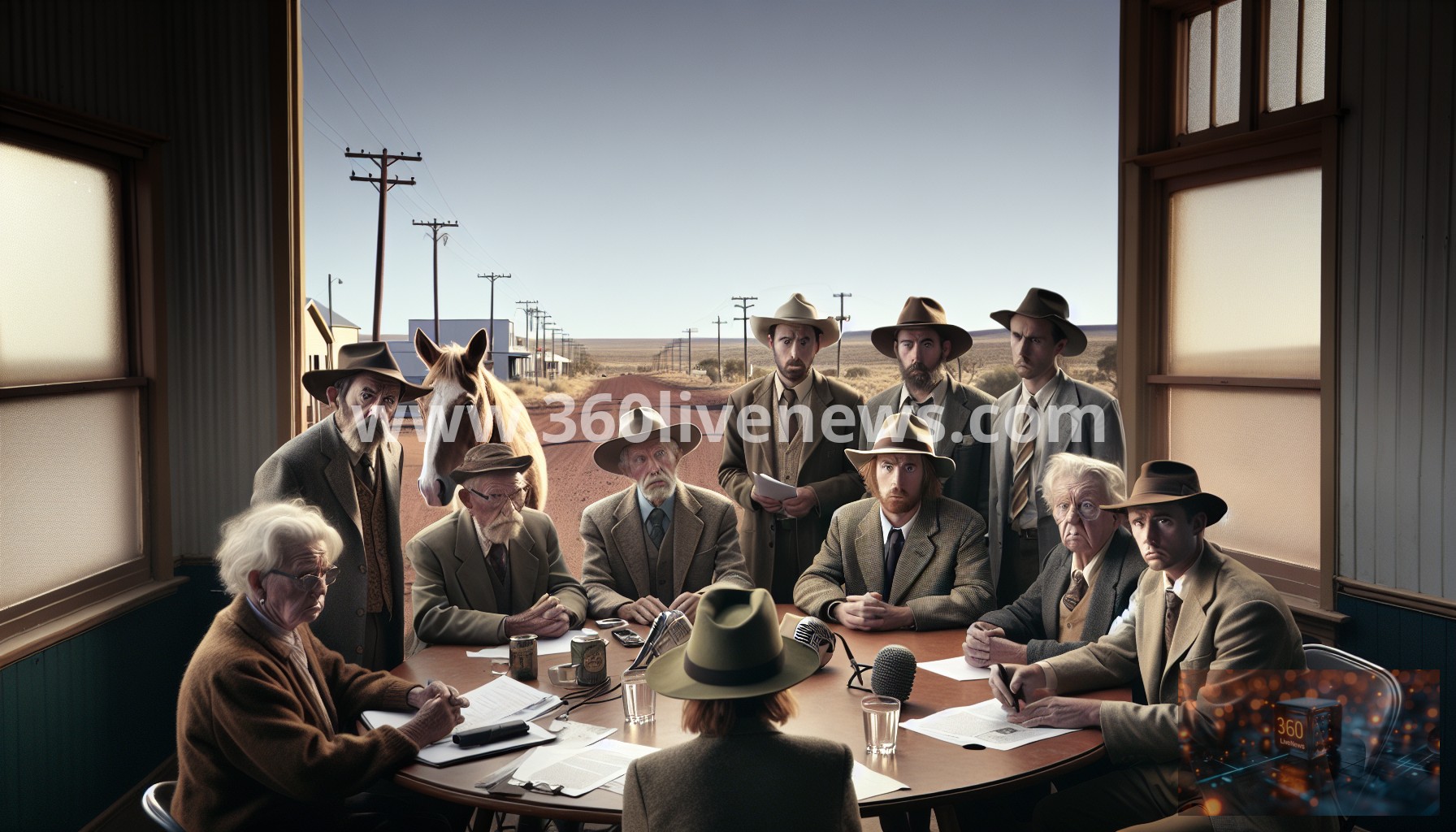
The residents of Wilcannia, a town located on the Darling River in New South Wales, are facing yet another setback in their long-standing campaign for a new weir. The project, which has been under discussion for over 30 years, has met with delays as both state and federal governments navigate the complexities of funding. While the New South Wales government has allocated $70 million towards the modernization of the weir, it has stated that the project cannot advance without a further $60 million contribution from the federal government.
Community frustrations have mounted as the federal government remains non-committal, insisting that a detailed business case is needed before any funding can be provided. This impasse has left the Wilcannia community once again in a position where plans for the much-needed infrastructure seem uncertain. The current weir, which was built more than a century ago, is considered outdated and inadequate for the local needs, particularly in terms of water management and community safety.
The ongoing struggle for the Wilcannia Weir project encapsulates broader issues surrounding rural infrastructure in Australia. The area has repeatedly experienced challenges related to water scarcity and river health, which are critical issues, particularly in the context of climate dynamics and resource management. The Darling River has faced environmental challenges, which the new weir construction aims to address, including better water flow management and improved ecological conditions.
A spokesperson for the New South Wales government reiterated the commitment to the project but expressed disappointment at the federal response. "We have the funding on our end; now we need the federal government to step up," the spokesperson stated, highlighting the importance of collaboration between state and federal entities. This rhetoric underscores the ongoing pattern of intergovernmental negotiation that has historically characterized significant infrastructure projects across Australia.
The call for a new weir has been fueled by decades of advocacy from local residents, who view the current structure as insufficient for their community's needs. Previous local initiatives have sought to draw attention not only to the infrastructural inadequacies but also to the broader socio-economic conditions in Wilcannia, a region that has faced hardship and neglect over the years. As the federal government continues to prioritize other projects, the community remains frustrated by the lack of action on this critical need.
The implications of the stalled weir project extend beyond local dissatisfaction; they reflect national policy challenges related to rural development and water management. The complexity of these issues has been recognized at institutional levels, including the Australian Senate, which has previously conducted hearings on rural infrastructure needs. Experts have pointed out that without adequate water management systems, communities like Wilcannia may continue to struggle with sustainability and growth.
This frustration is compounded by the fact that the Darling River and surrounding areas have a rich history tied to Indigenous communities, who have longstanding cultural and environmental ties to the river and its resources. The failure to modernize the weir is seen not just as an engineering challenge, but also as a cultural oversight that affects the lives of many who rely on the river for cultural practices and daily sustenance.
Moreover, as Wilcannia's leadership continues to apply pressure for progress on this essential infrastructure, the potential consequences extend to other rural communities facing similar predicaments. The unresolved issues regarding the weir project serve as a critical case study in understanding the broader dialogue around rural equity, resource allocation, and government accountability in infrastructure development.
In conclusion, the Wilcannia Weir project stands at a crucial crossroads. The commitment from the state government is evident; however, the path to realization hinges on federal engagement. Local advocates will continue to make their voices heard in the hope that their long-standing campaign for an upgraded weir will soon culminate in the infrastructure vital for the future of their community.
#Australia #Wilcannia #DarlingRiver #infrastructure #funding #stategovernment #federalgovernment #communityadvocacy
