Safety concerns rise for 60,000 Thai workers in Israel amid escalating Middle East conflict and missile strikes
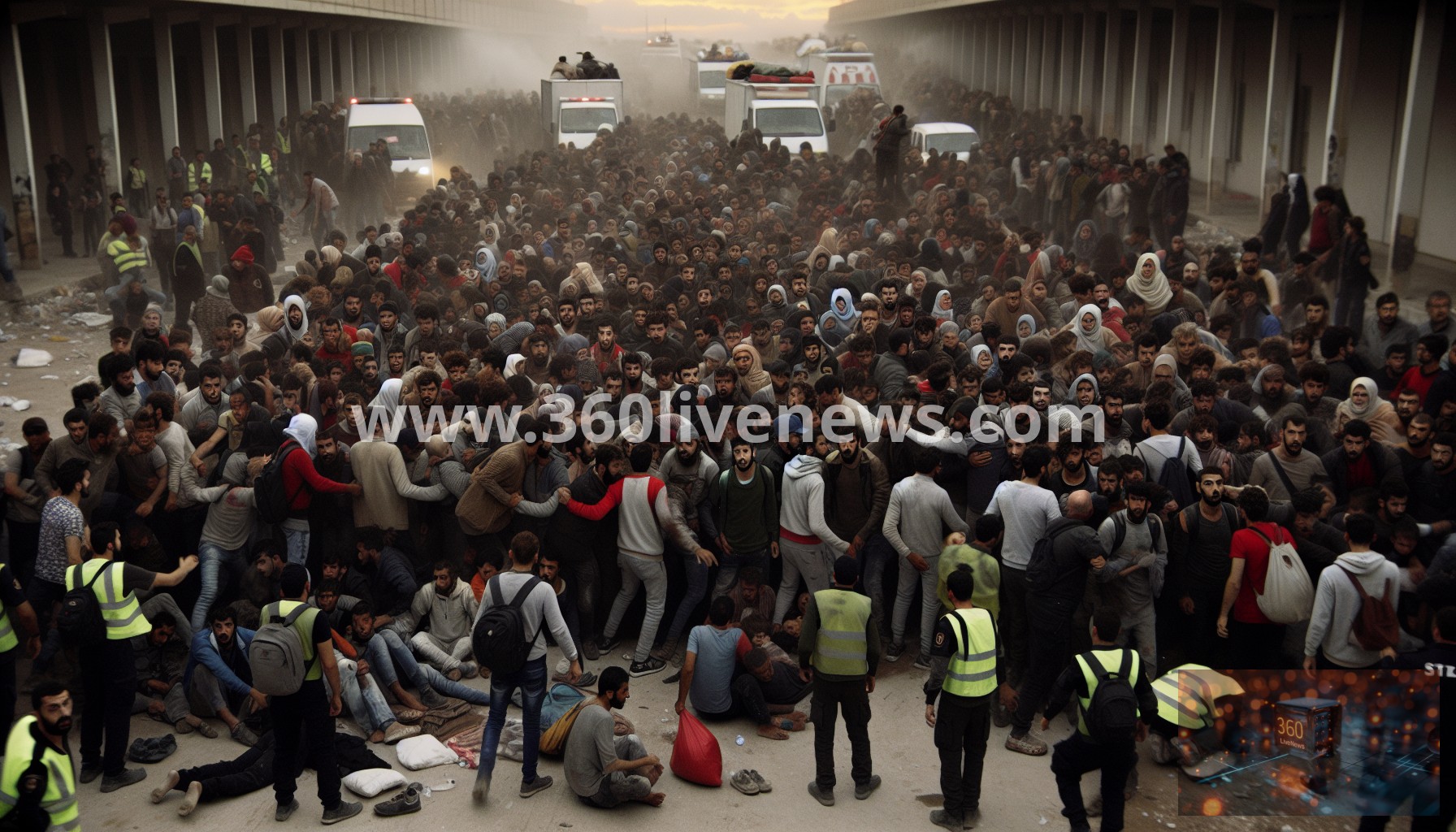
The ongoing conflict in the Middle East has intensified concerns for approximately 60,000 Thai workers currently employed in Israel, whose safety has come under renewed threat following a series of Iranian missile strikes across regional hotspots. The situation has escalated as countries react with enhanced military strategies, leading to the death of several migrant workers and the cancellation of numerous international flights.
Among the casualties is a Filipino caregiver named Mary Ann V. De Vera, who was reported killed in Israel amid the current hostilities. Additionally, four South Asian migrant workers have lost their lives, one in Bahrain and three in the United Arab Emirates, due to shrapnel believed to have impacted from Iranian-launched missiles and drones. These deaths highlight the particular dangers facing the South Asian and Southeast Asian migrant workforce in the volatile Middle East.
The Thai government has acknowledged that approximately 250 Thai nationals are still believed to be in Iran, while significant numbers are dispersed across other Gulf states, including Qatar and Bahrain. Many of these workers have migrated in the hopes of earning higher wages due to what is referred to as ‘danger money’, a premium compensation structured to entice labor from these regions into positions that are precarious, particularly in unstable environments.
Previously, in 2023, Thailand faced a severe crisis when 46 Thais were killed during the Hamas assault that marked the onset of the recent conflict in Gaza. Dozens more were taken hostage, with a portion eventually released after intense negotiations. The repercussions of the earlier conflict are being acutely felt as history seems on the verge of repeating itself, which raises both alarm and urgency among Thai authorities regarding the safety of their citizens abroad.
Additionally, the broader geopolitical ramifications of the conflict have resulted in acute disruptions to air travel. Hundreds of thousands of passengers are currently stranded due to the closure of major Middle Eastern airports, including Dubai International Airport, which is listed as the world's busiest international hub. The situation has resulted in an aviation crisis not seen since the Covid-19 pandemic, as international carriers suspend services in response to the escalating conflict and targeted military actions.
Donald Trump has commented on the U.S.-Israeli military operations against Iranian targets, suggesting that these could extend for several weeks. The implications of ongoing military engagements and rising tensions in the region contribute to heightened instability and concern regarding not only migrant workers but also travelers globally.
The Thai Foreign Ministry has taken measures to mitigate risks, emphasizing the need for continued diplomatic engagement and safety advisories for Thai citizens abroad. Authorities are in discussions with regional partners to facilitate potential evacuations as the conflict escalates. The dire need for coordinated efforts among nations to ensure the safety of expatriates in conflict zones has never been more pressing.
Responses to this current crisis reflect a history of diplomatic ties and tensions between the involved countries, shaped by factors such as labor migration, economic dependencies, and regional security dynamics. Thailand’s reliance on foreign labor is juxtaposed against periodic geopolitical unrest, leading to often precarious living and working conditions for its citizens and other migrant laborers in conflict-prone areas.
The Thai populace remains transfixed by the unfolding events, underscoring community vigilance toward the safety of their fellow citizens who have sought employment under increasingly perilous conditions overseas. As the scope of the conflict expands, the human cost continues to rise, shaping the urgent narrative of international labor, migration, and the need for robust safety protocols amid uncontrollable forces in international relations.
#Thailand #MigrantWorkers #Conflict #Iran #AirTravel #Diplomacy #GulfCountries #Evacuations
