Drone attack on Ras Tanura refinery in Saudi Arabia causes significant damage and raises regional security concerns
A recent drone attack attributed to Iranian operatives has struck the Ras Tanura refinery in Saudi Arabia, one of the largest oil processing facilities globally, resulting in significant damage. This incident has heightened regional tensions and sparked concerns regarding security in a sensitive geopolitical landscape. The Saudi Arabian defence ministry reported that two drones were intercepted over the refinery, causing fire and necessitating emergency protocols. The facility, owned by the state oil giant Saudi Aramco, was temporarily shut down following the attack, which occurred local time on a recent Monday.
Satellite imagery from the surveillance company Vantor revealed extensive damage at the site, with large plumes of smoke visibly emanating from the facility. The incident underscores the ongoing volatility in the region, where Iran's increasing military aggressiveness is met with fortified responses from its adversaries, including Israel.
In response to the attack, Saudi authorities have initiated heightened security measures around key infrastructure. The refinery, located on the country's eastern coast, is crucial for Saudi oil exports, making it a strategic target. The Saudi defence ministry’s official commentary indicated that this event has further strained relations with Iran, which has historically been involved in various hostile engagements across the region, including proxy wars.
The Iranian regime is increasingly using drone technology as part of its military strategy, with this latest incident reflecting an escalation in capabilities after a series of other attacks in recent weeks. Following the drone interception, authorities vowed to enhance defensive arrangements surrounding critical assets across the kingdom and reiterated commitments to safeguarding national infrastructure, which is vital for energy security.
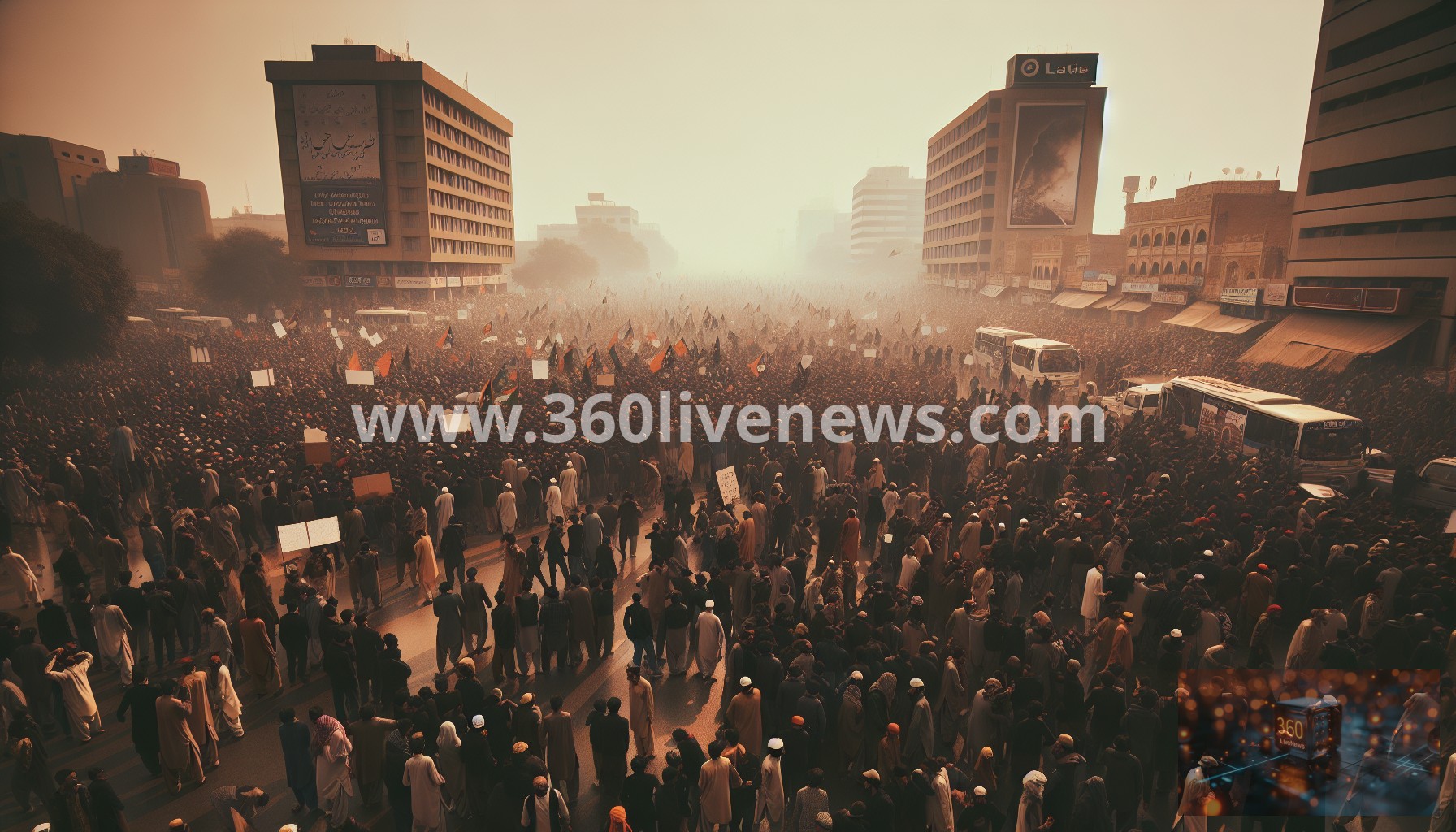
In parallel developments, unrest in Pakistan has erupted following the killing of Iranian leader Ayatollah Ali Khamenei. Pro-Iran protests led to a three-day curfew being imposed in the northern cities of Gilgit and Skardu, where thousands of demonstrators clashed with law enforcement. Attacks on United Nations facilities indicated a dramatic escalation in violence, resulting in at least 23 confirmed deaths and over 80 injuries during the unrest.
Authorities in Pakistan specifically cited deteriorating law and order conditions as justification for the curfew. Local police observed significant damage caused to public and private properties, including a police station and local charities. The demonstrations highlight the regional fallout from tensions surrounding Iran and its leadership, further complicating the situation for Pakistan’s security forces.
The global oil market is closely monitoring the situation, given that disruptions at major refineries like Ras Tanura could have far-reaching implications for oil prices and supply chains. With Iran being a persistent subject of international scrutiny over its nuclear ambitions and regional assertiveness, the current spate of incidents signifies a critical juncture in Middle Eastern geopolitics.
Looking forward, analysts indicate that the dynamics of these recent events could prompt a reevaluation of regional policy by both Saudi Arabia and its Western allies, particularly the United States. Given the interconnected nature of military actions and economic repercussions, the need for cooperative security arrangements could become more pronounced in the context of these escalating tensions.
As a part of its strategy, the international community, particularly the United Nations, has emphasized the necessity of maintaining peace in the region while monitoring potential humanitarian implications. The safety of UN personnel in areas of unrest remains a top priority as clashes continue alongside government measures to restore order.
This latest violence reinforces the fragile stability in the region, where international diplomacy is critical. As the various stakeholders respond to the implications of Iranian actions, the focus will shift towards de-escalation and the establishment of dialogues that can bring long-term stability to the Middle East.
#Iran #SaudiArabia #DroneAttack #OilRefinery #Security #Protests #UN #Tensions
