US-Iran military engagement strains diplomatic relations between US and UK amid Trump's criticism of Prime Minister Starmer
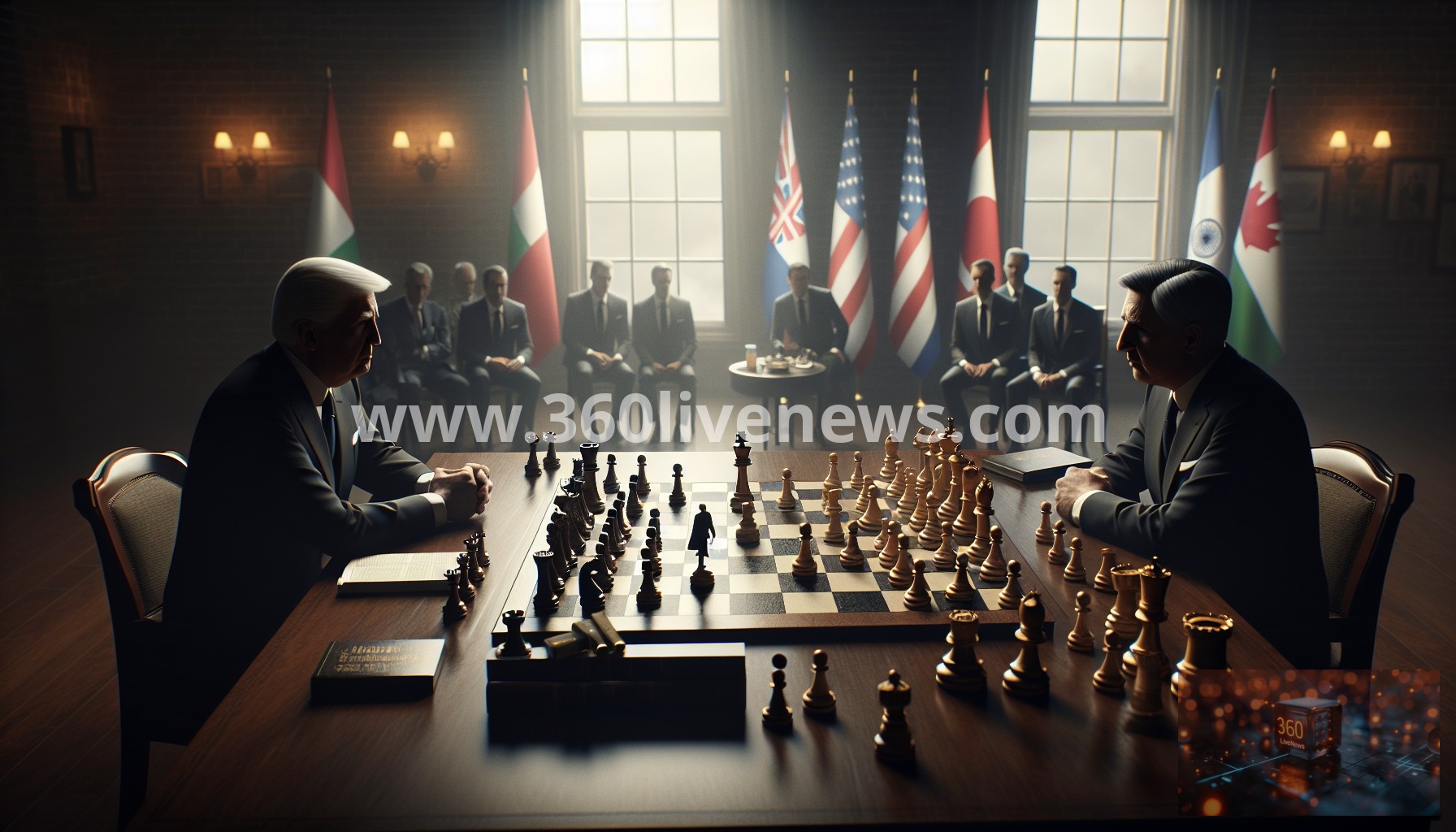
The uncertainty surrounding the ongoing military engagement involving the United States and Iran has significantly affected diplomatic ties between the United States and the UK. Tensions rose after President Donald Trump publicly criticized British Prime Minister Sir Keir Starmer for failing to give adequate support for US operations against Iran. Trump remarked that the historical alliance between the US and Britain has deteriorated, declaring, "This is not Winston Churchill that we're dealing with," an apparent jab at Starmer's hesitation to permit American warplanes to utilize UK bases for strikes against Iran.
As reported, the military action began with the US and Israel coordinating strikes on Iranian targets over the weekend. Trump, addressing Congress, noted that the complete "scope and duration" of these strikes remain unclear, indicating the potential for further escalation. He emphasized the longstanding threat posed by Iran, characterizing it as one of the largest state sponsors of terrorism globally. The US efforts have drawn considerable scrutiny, especially with Trump's warning to lawmakers that failing to act could have dire implications for national security.
In parliament, Starmer defended his stance, asserting that the UK government does not endorse "regime change from the skies." This position has put him at odds with Trump's aggressive military strategy, leading to growing tensions not only within the UK political landscape but also in the broader international arena. The UK’s cautious approach reflects its historical commitment to diplomacy and multilateralism in foreign policy.
The complexities of this conflict highlight a challenging geopolitical landscape. Earlier phases of the conflict have seen various degrees of military and diplomatic engagements involving Iran, the US, and their allies such as Israel and Gulf states. The Iranian government has responded aggressively to the recent US strikes, launching missiles and drone attacks aimed at not only Israel but also at US-allied Gulf states, further complicating regional security dynamics.
The ramifications of heightened conflict are significant both for regional stability and for the strategic alliances formed over decades. Analysts argue that Trump's decision to engage militarily without seeking broader international support could alienate traditional US allies, including the UK, who have historically advocated for diplomatic avenues. Starmer's resistance to backing the airstrikes could reflect underlying fears about a rapid escalation that might drag the UK into a deeper military involvement without clear benefits.
As conversations around potential war powers resolutions begin to surface in the US Congress, legal experts have indicated that lawmakers are feeling the pressure to assert their authority in military decisions. The ongoing debates around the War Powers Act could result in increased scrutiny of Trump’s military strategy. Reportedly, officials briefed Congress, leaving many lawmakers without clarity on the president's long-term plans against Iran, thereby intensifying calls for accountability regarding the unfolding situation.
The diplomatic chasm further emphasizes the diverging pathways the US and UK are pursuing in relation to Iran. Historically, the UK and US have shared collaborative defense strategies, particularly through NATO and other partnership frameworks. However, recent statements and actions have raised alarm about a fracturing alliance, as evidenced by Trump's unsettling remarks regarding Churchill and Starmer's rejection of airstrike support.
International responses to the conflict are pouring in, with various nations urging de-escalation and a return to diplomatic negotiations. The actions occurring now raise questions about the US's role in the Middle East and its relationship with other global power players. The shifts in strategy, coupled with growing isolation from traditional allies, represent not only a diplomatic crisis for the US but also a redefining moment in global alliance structures.
The potential for economic ramifications continues to loom as well, particularly with oil supplies and regional trade routes coming under threat due to conflict escalations. Analysts suggest that any prolonged military campaign could lead to instability in energy markets, prompting fears of increased prices and economic fallout globally. The implications of the current conflict extend beyond military engagements, impacting both economic and diplomatic constructs that shape international relations.
#USIranConflict #diplomacy #Starmer #Trump #economicimpact #militarystrategy #internationalrelations #Geopolitics
