U.S. military faces scrutiny over use of Anthropic's AI tool Claude amid rising tensions with the company
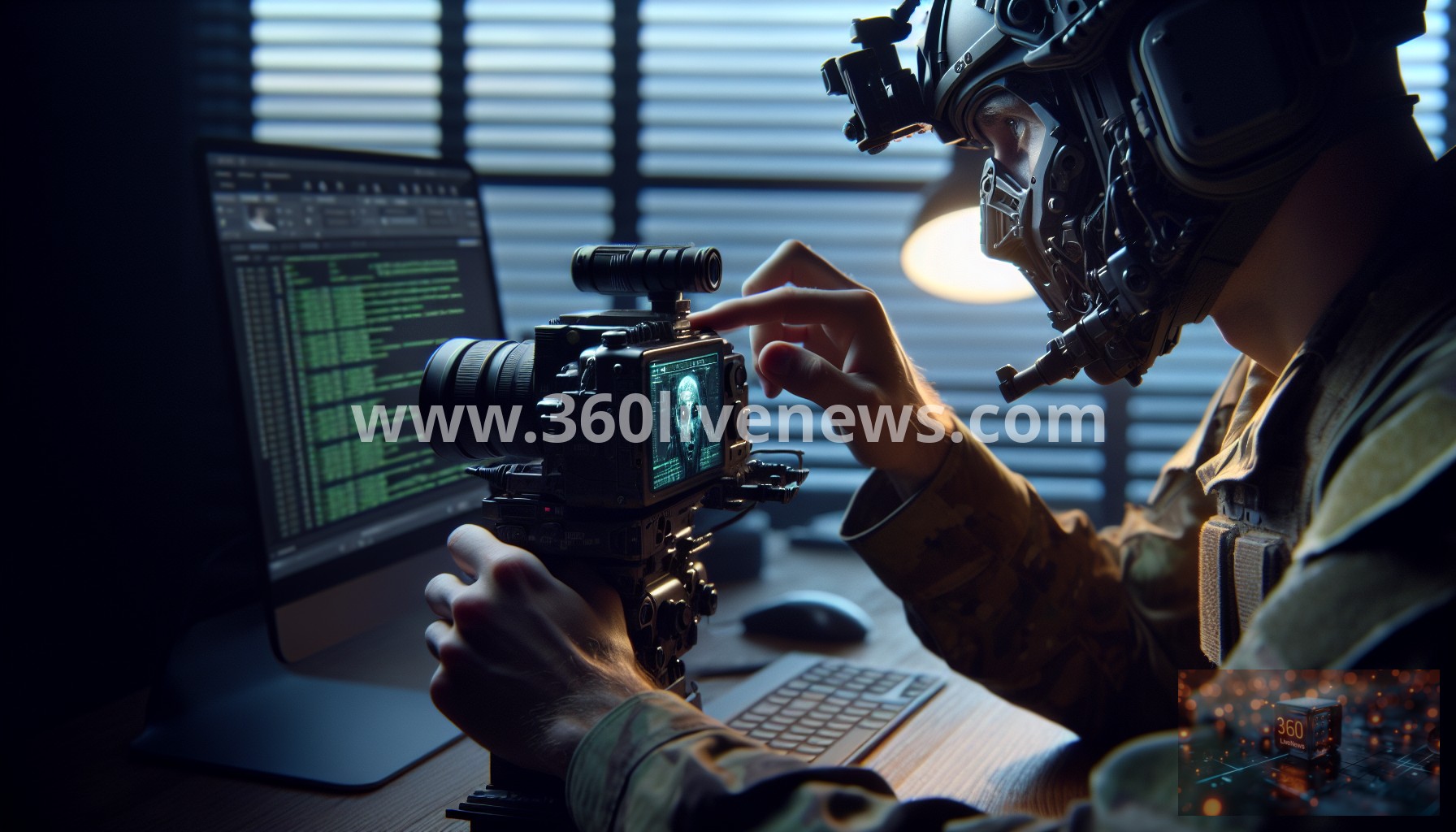
The U.S. military's use of Anthropic's AI tool, Claude, has come under intense scrutiny as tensions rise between the U.S. government and the company. Recent developments have seen Claude being positioned as essential for operations in Iran, even as the Pentagon has classified Anthropic itself as a supply-chain risk. This designation marks a significant escalation in the U.S. government's concerns regarding the integration of artificial intelligence in military operations.
Claude, developed by Anthropic, is reportedly integral to informing operational strategies in Iran. However, the Pentagon's actions have sparked a fierce dispute over how AI tools are governed and utilized within the military. The specific role of Claude in tactical planning or intelligence gathering in Iran remains largely classified, but its use symbolizes a growing reliance on advanced technologies in modern military campaigns.
Amidst this backdrop, the Pentagon's formal notification to Anthropic indicates that the AI firm has been classified as a supply-chain risk, a designation typically reserved for firms from nations viewed as adversaries, such as China's Huawei. This unprecedented categorization comes as the Department of War (DOW) aims to strengthen safeguards around AI products integrated into national defense systems. The immediate impact of this designation is that defense vendors and contractors are now prohibited from using Claude in their contracts with the Pentagon, which could have long-lasting operational implications for both the military and Anthropic.
The Pentagon's move comes as part of a broader strategy to mitigate potential vulnerabilities associated with AI systems in defense. The DOW’s decision reflects heightened fears about security and operational integrity, amid concerns that technologies sourced from private companies could be compromised. In formal statements, a senior defense official emphasized that the decision was made to protect U.S. military interests in a rapidly evolving technological landscape. The pressure on Anthropic is expected to increase, with its leadership hinting at plans to legally challenge this designation in court.
The implications of this conflict are far-reaching, extending beyond the immediate concerns of military efficiency to encompass broader economic and geopolitical ramifications. Should Anthropic succeed in its legal challenge, it could set a precedent for the treatment of technology firms within the defense sector. A ruling in favor of the company could potentially redefine what constitutes a supply-chain risk in the context of national security and technology partnerships.
Historically, the intersection of technology and defense has been fraught with challenges, as seen in previous initiatives involving contractors and tech firms. The Department of Defense has increasingly turned to private-sector innovations, leveraging cutting-edge technologies for competitive advantages. Anthropic, a significant player in the AI field, is now at the heart of a debate surrounding the balance between advancing military capabilities and ensuring security protocols are not compromised by commercial technology dependencies.
As these developments unfold, key figures within the U.S. defense community highlight the necessity of establishing robust guidelines governing the use of AI in military settings. Proponents of strict regulations argue that the rapid pace of AI development necessitates comprehensive policies to mitigate risks,in particular, the potential for AI tools to be exploited by adversaries or to malfunction under critical conditions. The Pentagon’s actions underscore a growing urgency to address these concerns while balancing the operational demands of 21st-century warfare.
This ongoing situation serves as a critical moment for tech firms, military contractors, and policymakers alike, exemplifying the complex interplay between innovation, security, and geopolitics. As Anthropic navigates its current challenges, the developments regarding Claude’s role in military operations in Iran will be watched closely by both industry players and national security experts.
In conclusion, the Pentagon's labeling of Anthropic as a supply-chain risk and the concurrent use of Claude in military operations highlight a pivotal juncture in U.S. military strategy. It reflects broader trends in the defense sector towards integrating advanced technologic solutions while grappling with security risks and regulatory frameworks. As this story continues to develop, the implications for the future of AI in military engagements and defense contracting remain to be seen.
#AI #Anthropic #Pentagon #Iran #military #cybersecurity #technology #nationalsecurity
