Balendra Shah's Rastriya Swatantra Party poised for majority in Nepal's parliamentary elections, according to Election Commission trends
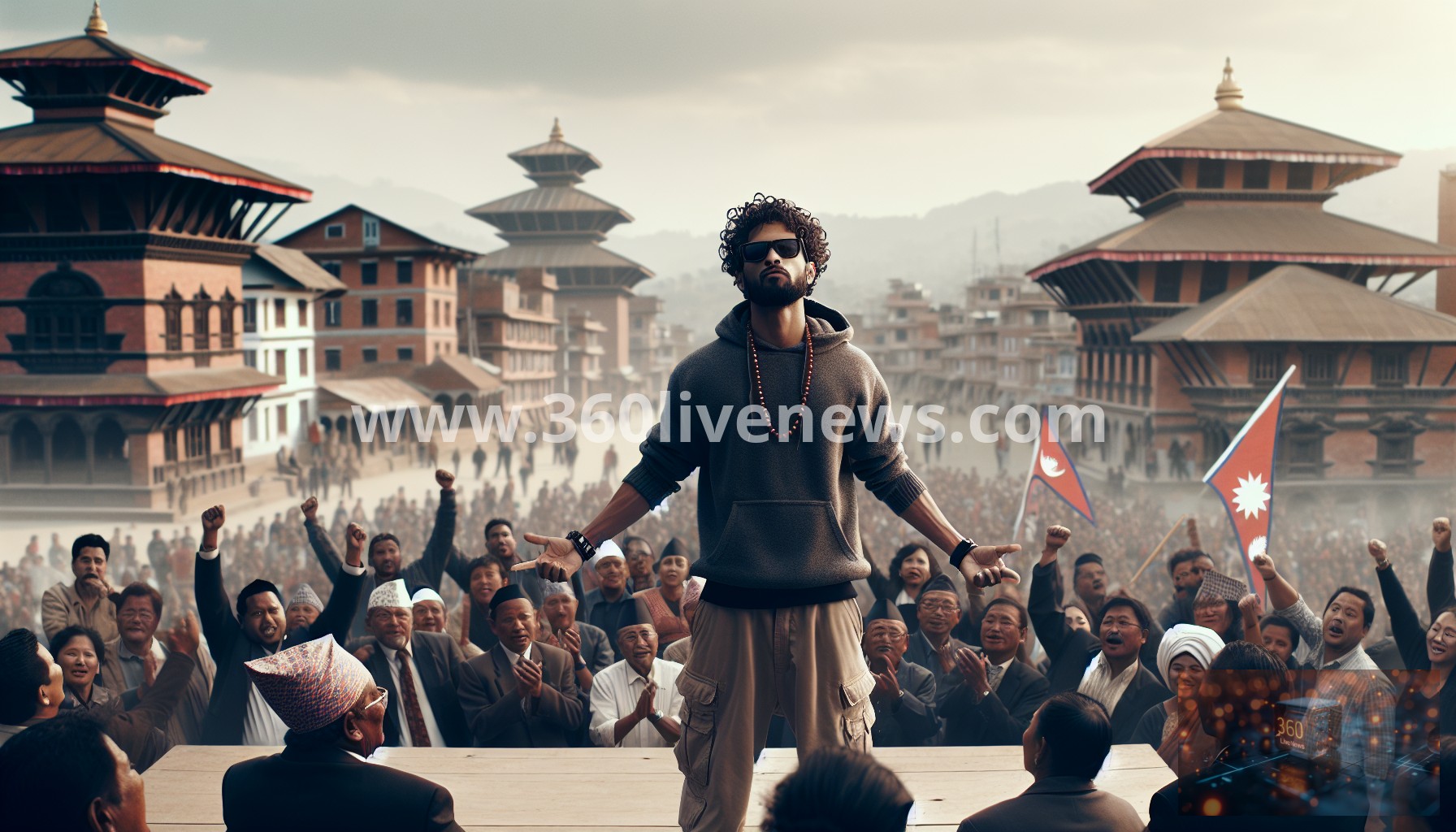
In a significant political shift, Balendra Shah, a prominent figure who transitioned from rapper to politician, appears to be on track for a decisive victory in Nepal's parliamentary elections. As of March 7, trends released by the Election Commission indicate that Shah's party, the Rastriya Swatantra Party (RSP), is likely to secure a majority in the 275-member House of Representatives, the lower house of Nepal's parliament. This election follows a period of political instability marked by a surge of anti-corruption protests that led to the fall of the previous government.
These elections, which were held on March 5, come about six months after widespread youth-driven protests against corruption resulted in at least 77 fatalities. The protests, which began in September due to a sudden social media ban, quickly evolved into a broader movement addressing long-standing issues such as widespread corruption and economic downturns. Shah's popularity has surged during this period, with voters increasingly drawn to his platform appealing to younger generations and addressing these pressing concerns.
According to early reports from the Election Commission, the RSP's remarkable performance reflects a shift in the political landscape of Nepal. Shah, only 35 years old, has effectively resonated with Gen Z and millennial voters, tapping into the widespread disenchantment with traditional politics. His campaign capitalized on the discontent generated from past government failures, particularly around issues of governance and economic management.
The electoral environment has also been shaped by recent political history, wherein youth-led movements have intensified demands for change in governance. These movements underscored a generation's frustrations, emphasizing transparency and accountability from their leaders. The loss of the prior government was a clear sign of the electorate's capacity for change, and the ongoing trends suggest a preference for Shah's progressive agenda.
In the wake of these elections, Shah and the RSP’s victory would not only symbolize a change in leadership but could also signify a realignment of the political party structure in Nepal. The influence of younger voters in this election cycle highlights an evolving political climate and reflects a growing awareness of the demands for reform. The RSP's platform against corruption and for economic revitalization positions it as a formidable force in the new political landscape.
The implications of Shah's anticipated success extend beyond domestic concerns. Observers are closely monitoring how this change will influence regional dynamics, especially in relation to neighboring countries like India and China, both of which maintain significant geopolitical interests in Nepal. Economic partnerships, resource management, and diplomatic relations could be midpoints where Shah may seek to assert a new foreign policy direction bearing his mandate in mind.
Shah's ascendency poses a challenge to traditional political parties like the Nepali Congress and the Communist Party of Nepal, which have historically dominated the landscape. The RSP's surge indicates a shift away from established political structures, and an acceptance of new political narratives emerging from grassroots movements. With the youth now playing a central role in governance discussions, it is imperative for established parties to adapt or risk irrelevance.
As the results continue to be tallied and finalized, Shah's team remains optimistic, underscoring the importance of a consolidated response to the challenges that have plagued the nation. The expectation is for a robust government that can tackle existing grievances comprehensively and engage the electorate in a thoroughly transparent manner.
While the counting remains ongoing, the outcome is expected to have multifaceted repercussions on policy-making, governance, and international relations for Nepal. The unfolding narrative will be a critical one to follow in the ensuing days, determining how sovereignty, accountability, and economic progress will be interpreted by a government led by a political newcomer.
#Nepal #Election #RapMusic #AntiCorruption #BalendraShah #YouthVoting #PoliticalChange #RastriyaSwatantraParty
