Xinjiang official reports growth in textile industry amid US sanctions during China's annual political gathering
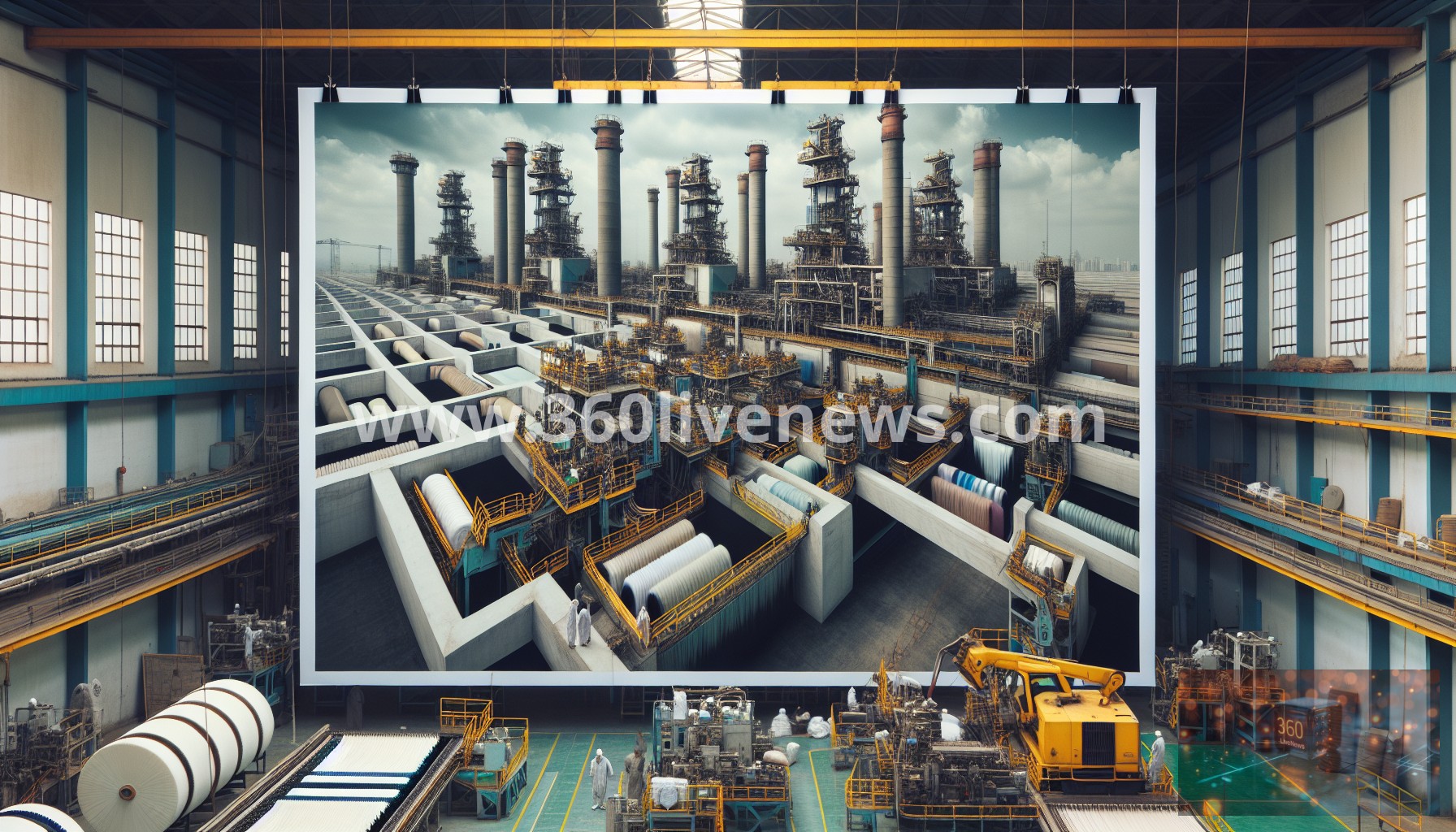
During China's annual political gathering referred to as the "two sessions," Wang Kuiran, a prominent official from Xinjiang, asserted that the region's textile industry is experiencing substantial growth despite ongoing US sanctions. Wang emphasized the development of a comprehensive medium to long-term plan aimed at bolstering Xinjiang's textile and garment sector, highlighting the government's intent to provide legal support for businesses affected by American trade restrictions.
Wang's remarks came during a session of the Xinjiang delegation at this paramount event, where both national legislative and advisory bodies convene to address policy reviews and establish the yearly agenda. The discussion surrounding Xinjiang indicates a clear sign of state-led efforts to mitigate the effects of Western sanctions by bolstering local economic frameworks and attracting investment.
The context of this announcement is particularly significant, as it occurs amid rising tensions between China and Western nations regarding trade practices and human rights concerns in the Xinjiang region. Western countries, notably the United States, have recently imposed sanctions due to allegations of human rights abuses against the Uighur Muslim population in Xinjiang. This includes accusations of forced labor within the textile industry, which has prompted international scrutiny of Chinese production practices.
In response to these sanctions, Wang stated that the Xinjiang government intends to "fight back" against what he termed "economic bullying" by enhancing local business capabilities and expanding the textile industry workforce. He reported the creation of approximately 46,800 jobs in the sector, reflecting an optimistic outlook for local employment and economic recovery in the face of international pressure.
Furthermore, during recent discussions, Chinese President Xi Jinping held a meeting with US President Joe Biden, where Xinjiang and Taiwan were key points of concern. This meeting marked a significant engagement aimed at easing tensions, though it remains to be seen how these discussions will influence future economic and diplomatic relations.
Wang's acknowledgment that Western sanctions have had an impact reveals an underlying tension within the Chinese economic narrative. Nonetheless, his insistence that Xinjiang is progressing indicates a possible shift in strategy aimed at reinforcing internal economic resilience. This narrative is crucial as it seeks to counter negative perceptions of Xinjiang's human rights record and the international campaign calling for accountability regarding labor practices in the region's textile industry.
The broader implications of this development extend to China's overall economic strategy, particularly in how it engages with global markets that are increasingly wary of Chinese supply chains linked to human rights issues. As China seeks to forge ahead with initiatives like the Belt and Road Initiative, maintaining robust domestic industries, particularly in regions like Xinjiang, becomes crucial for national economic stability.
In conclusion, Wang Kuiran's statements reflect the Chinese government's efforts to reframe its industrial narrative amid geopolitical tensions. As Xinjiang's textile industry continues to evolve, it illustrates a significant moment in China's economic and political landscape, showcasing the balance between domestic developmental goals and international diplomatic challenges. The attention on Xinjiang is likely to persist as global stakeholders monitor the region's adherence to labor rights and economic practices moving forward.
#Xinjiang #Textile #USSanctions #Construction #Jinping #Biden #Economy #HumanRights
